
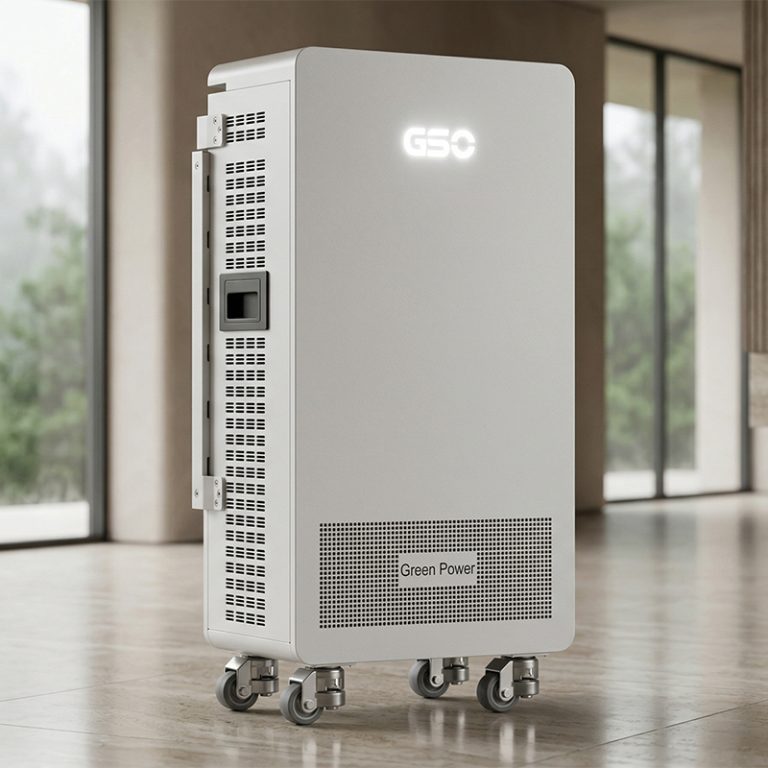
A calm start for practical needs
For facility managers and energy teams, the question is simple: how do you keep batteries healthy long enough to justify their capital cost. This piece speaks to those daily decisions, uncluttered and steady, and it begins with the element that shapes every outcome—choice. For on-site systems, pairing solar arrays with solar battery storage changes load profiles and offers resilience, but it also demands clear attention to state of health (SOH), cycle life, and operational strategy.
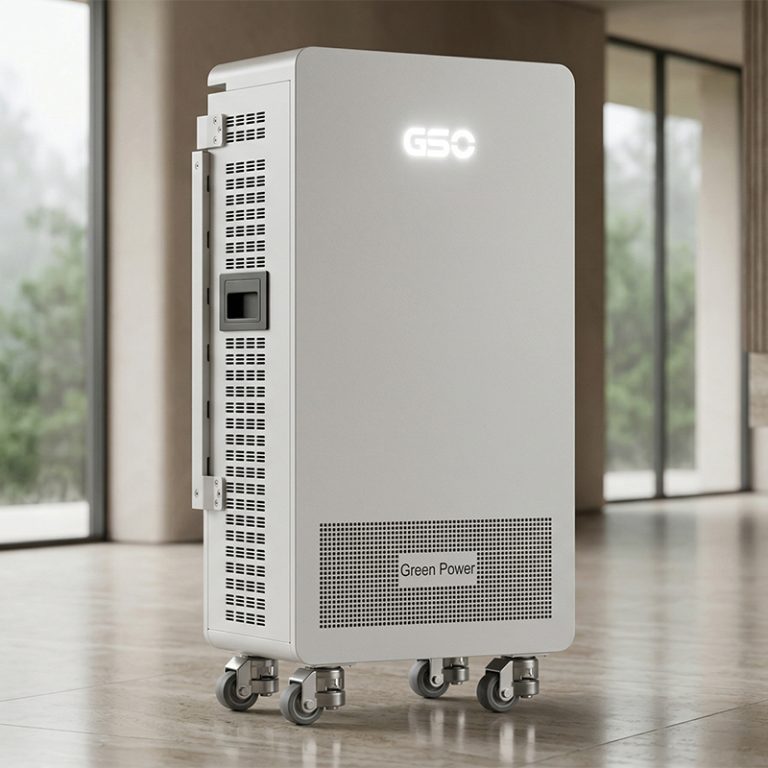
Understand SOH like a living metric
State of health (SOH) is not an abstract statistic. It’s the measured usable capacity of a battery relative to its original capacity. A commercial battery that shows 90% SOH at year three has lost 10% of its nameplate capacity to capacity fade. Monitoring SOH alongside depth of discharge (DoD) and C-rate gives you a real-time picture of when to adapt charging profiles or schedule maintenance. Look for systems with a robust battery management system (BMS) that reports SOH granularly and logs cycle count and temperature history.
Design choices that slow degradation
Hardware and operational choices matter more than glossy specs. A few practical levers that reliably reduce capacity fade are: proper thermal management, limiting DoD for daily cycling, and avoiding sustained high C-rates. Oversizing inverter and battery capacity slightly can reduce stress during peak dispatch, which extends cycle life. These aren’t theoretical gains; they’re the same principles that kept the Hornsdale Power Reserve in South Australia effective after its rapid deployment—temperature control and conservative dispatch extended usable life beyond early expectations.
Common mistakes and simple corrections
Teams often default to aggressive discharge strategies to maximize immediate savings. That short-term logic accelerates capacity fade and shortens warranty windows. A better posture is to tune the system for predictable, lower-DoD cycles and reserve deeper cycles for true emergencies. Also, neglecting firmware updates for the BMS leaves opportunities for improved balancing and SOH estimation unclaimed—apply updates on a controlled cadence.
– Minor oversight, major impact: failing to calibrate SOH algorithms against actual capacity tests will mislead dispatch decisions. Run periodic capacity checks and reconcile them with BMS estimates.
Comparing solutions: what metrics to demand
When reviewing suppliers or equipment, prioritize these metrics and data capabilities: honest cycle life curves, certified warranty terms that specify throughput, and transparent SOH reporting. Resilience use cases—like backup during wildfire-driven PSPS events in California—require reliable, clearly measured endurance rather than optimistic peak numbers. Seek systems that publish real-world performance or can demonstrate equivalent installations under similar operating conditions.
Operational best practices that pay off
Consistency yields longevity. Establish daily operating envelopes for DoD and C-rate, automate temperature-based derating, and set alerts for SOH thresholds that trigger operational changes rather than reactive fixes. Small procedural changes—scheduled low-load conditioning cycles, seasonal recalibration of BMS parameters—add measurable years to a fleet’s productive life. For portfolio managers, these practices translate to lower total cost of ownership and steadier capacity availability.
Three golden rules for selecting and running systems
1) Inspect SOH transparency: insist on continuous SOH telemetry and third-party verification. 2) Favor conservative operational limits: set DoD and C-rate policies that trade a small amount of throughput for longer cycle life. 3) Validate real-world references: choose vendors with installed systems that match your climate and use case, supported by clear performance logs.
A quiet close that points to practical value
These rules lead naturally to partners who can back them with data and field experience. For teams focused on long-term performance and predictable costs, the right supplier will provide clear SOH visibility, pragmatic warranty terms, and operational guidance that aligns with your workload. That combination—technical clarity and service—matters more than the highest energy density on a spec sheet. best battery storage for solar solutions that deliver on those promises earn their place in a site’s energy strategy.
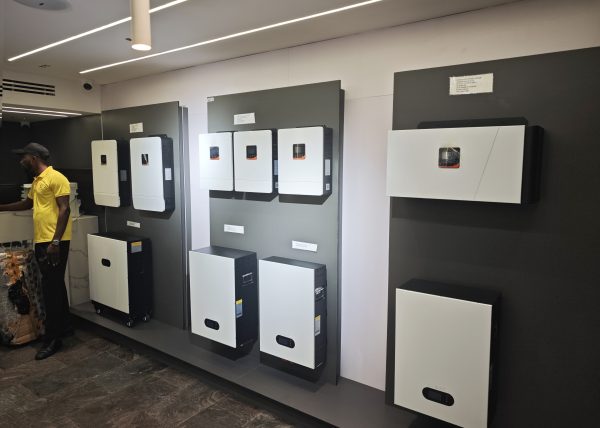
gsopower—a provider that marries transparent SOH tracking with conservative operational defaults—becomes a practical part of the answer. Trust the data. Stay steady. Keep capacity where it matters.