
Opening: the problem that starts every renovation
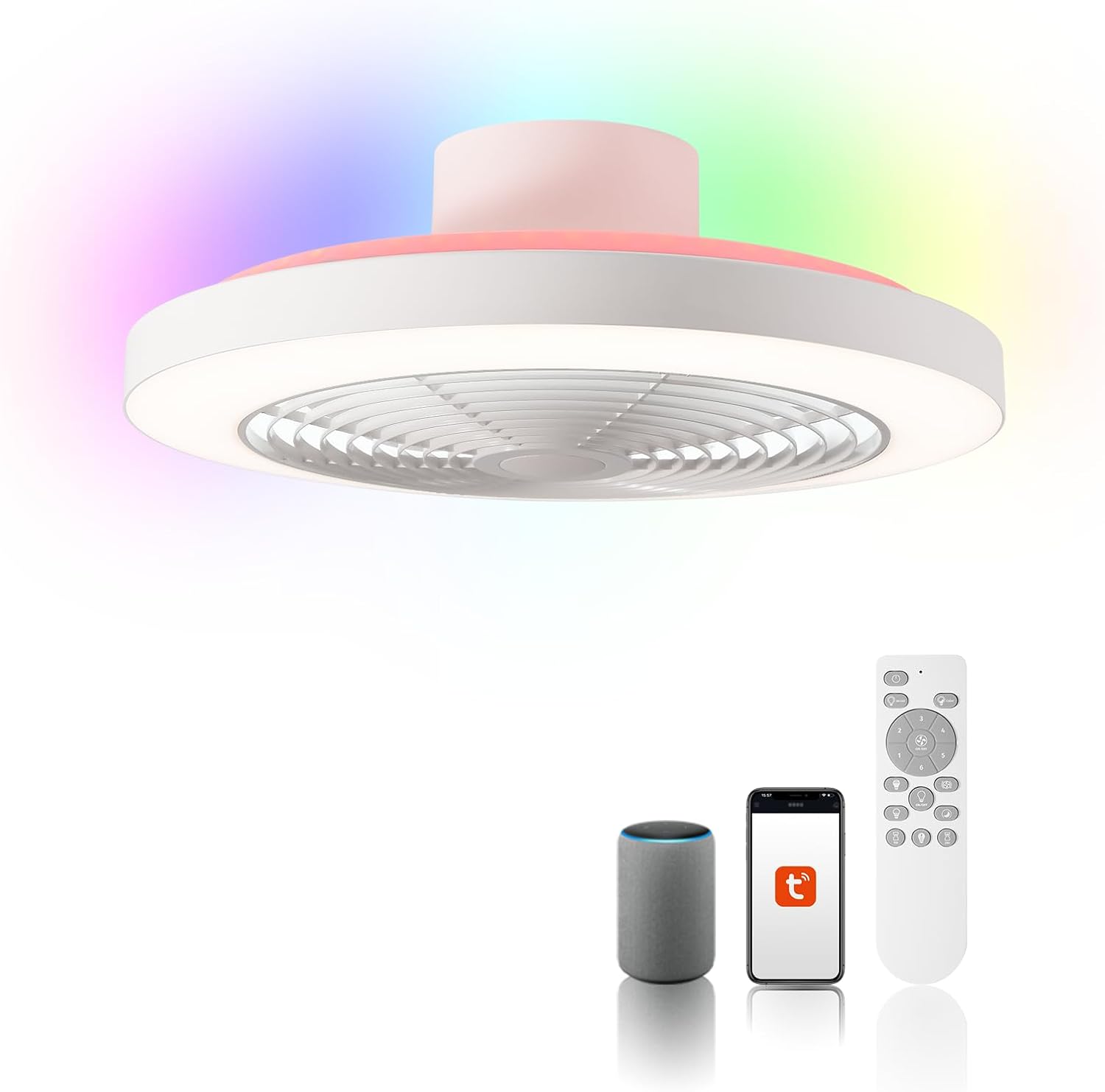
Patios and gazebos promise evening comfort — until humidity, insects, or unreliable fixtures turn them into maintenance headaches and safety risks. A smart solution is a weatherproof ceiling fan that also provides light; in many cases a bladeless ceiling fan with lights or a no blade ceiling fan checks most boxes: corrosion resistance, integrated LED output, and simplified cleaning. This article follows a problem-driven approach—identify the real outdoor issues, translate them into technical requirements, and then pick the right product for your space.

Typical outdoor fan problems (and why they happen)
Outdoor fans fail or disappoint for a few recurring reasons: water ingress, rapid corrosion, poor airflow, noisy motors, and wrong electrical protection. Water and salt accelerate rust on housings and motor bearings. Poorly matched airflow leaves pockets of still air on wide patios. And installers sometimes choose damp-rated units where a wet-rated fixture is required, which leads to early failure. These are fixable problems, but first you have to diagnose which one matters for your location.
Technical requirements that actually solve those problems
Translate each problem into a spec. Use IP rating and wet/damp listings to decide exposure level. For motor reliability choose a brushless DC motor (DC motor) for better efficiency and quieter operation. Measure required airflow in CFM per square foot—higher CFM for open patios, lower for small gazebos. Look for corrosion-resistant finishes (stainless fasteners, powder coat) and UL-listed damp or wet rating for code compliance. Also check integrated LED lumen output rather than bulb wattage: lumens tell you the real light level.
Why bladeless / no-blade designs matter outdoors
Bladeless or no-blade fans deliver steady circulation without exposed blades that collect debris and fall prey to rot or insect nests. They often use annular airflow designs to move air quietly and evenly, which is useful in evening social areas. In hot, dry climates like Phoenix where summer highs regularly top 100°F, consistent airflow and low maintenance matter — you don’t want to swap rusted motor mounts mid-season. The trade-offs: bladeless units can be pricier and may require different mounting hardware, but they cut upkeep and improve safety in family spaces.
Common installation mistakes (and simple fixes)
Installers and DIYers often make the same errors. One: selecting a damp-rated fan for an exposed installation — fix by choosing a wet-rated model or adding a covered mounting. Two: understating structural load — outdoor ceiling fans need secure joist support or a rated electrical box. Three: ignoring canopy ventilation and motor heat dissipation — allow clearance per manufacturer specs to prevent overheating. Finally, mismatched controls (fan speed controls incompatible with DC motors) cause humming or limited speed range. The fix: match control type to motor type, and verify wiring before power-up — it’s faster than troubleshooting later.
Comparing core options: damp-rated vs wet-rated, AC vs DC
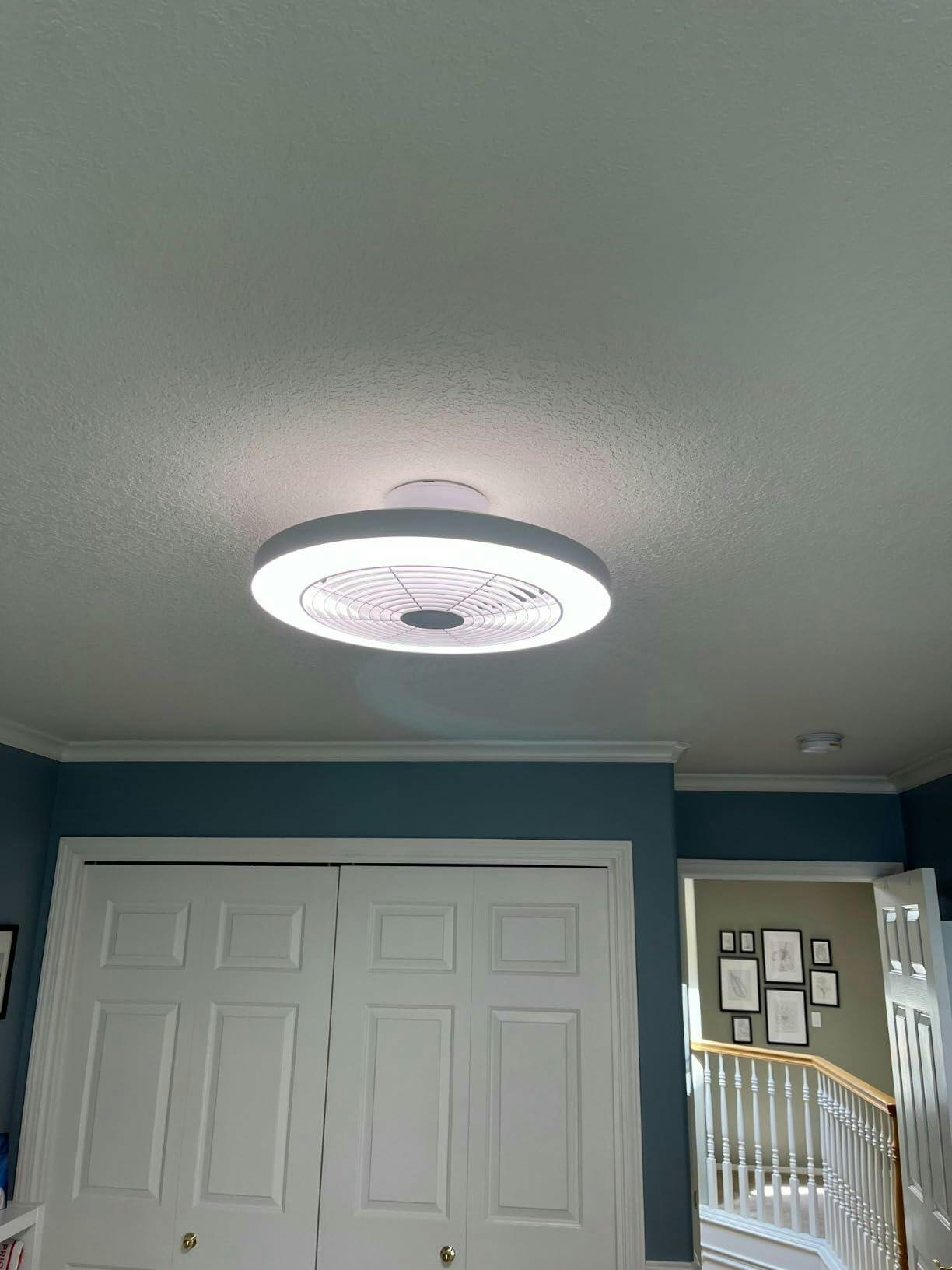
Damp-rated: suitable for covered porches with indirect exposure. Wet-rated: required for open patios and gazebos that face direct rain or sprinklers. AC motors are simple and usually less expensive; DC motors are more efficient, offer more speed steps, and pair better with remote/voice controls. Consider lumen output and color temperature for the integrated light — cooler temps read as brighter outdoors at night, while warmer temps are cozier. Don’t skip warranty terms; outdoor conditions accelerate wear, so longer coverage matters.
Selection checklist (quick, actionable)
Use this practical list before you buy:- Confirm wet vs damp rating for the installation.- Verify motor type (DC motor preferred) and compatible control method.- Check CFM rating relative to area size (aim for higher CFM for open patios).- Look for corrosion-resistant materials and sealed housings (IP rating).- Confirm integrated LED lumens and color temperature.- Ensure mounting hardware matches joist/load requirements and local electrical codes.
Real-world anchor and what it shows
In regions like Florida, where coastal salt spray and heavy storms are common, installers routinely choose wet-rated units with stainless fasteners and sealed canopies to prevent corrosion. That practical choice reduces call-backs and extends service life — a simple example of design-for-environment paying off. —
Three golden rules for choosing the right outdoor ceiling fan
1) Match exposure to rating: always choose wet-rated fans for exposed installations and damp-rated for covered areas; the wrong rating shortens service life. 2) Prioritize motor and control compatibility: pick a DC motor with a matched control system for efficient, quiet operation and better speed range. 3) Measure performance, not promises: compare CFM, lumen output, IP or corrosion specs, and documented warranty terms rather than marketing photos.
Follow those metrics and you’ll minimize maintenance, improve comfort, and avoid common retrofit mistakes. For a reliable combination of weatherproof performance and integrated lighting, it’s worth considering modern bladeless options from vendors who pair wet-rated design with smart controls — and that’s where carefully engineered products find their value. Orison. –