
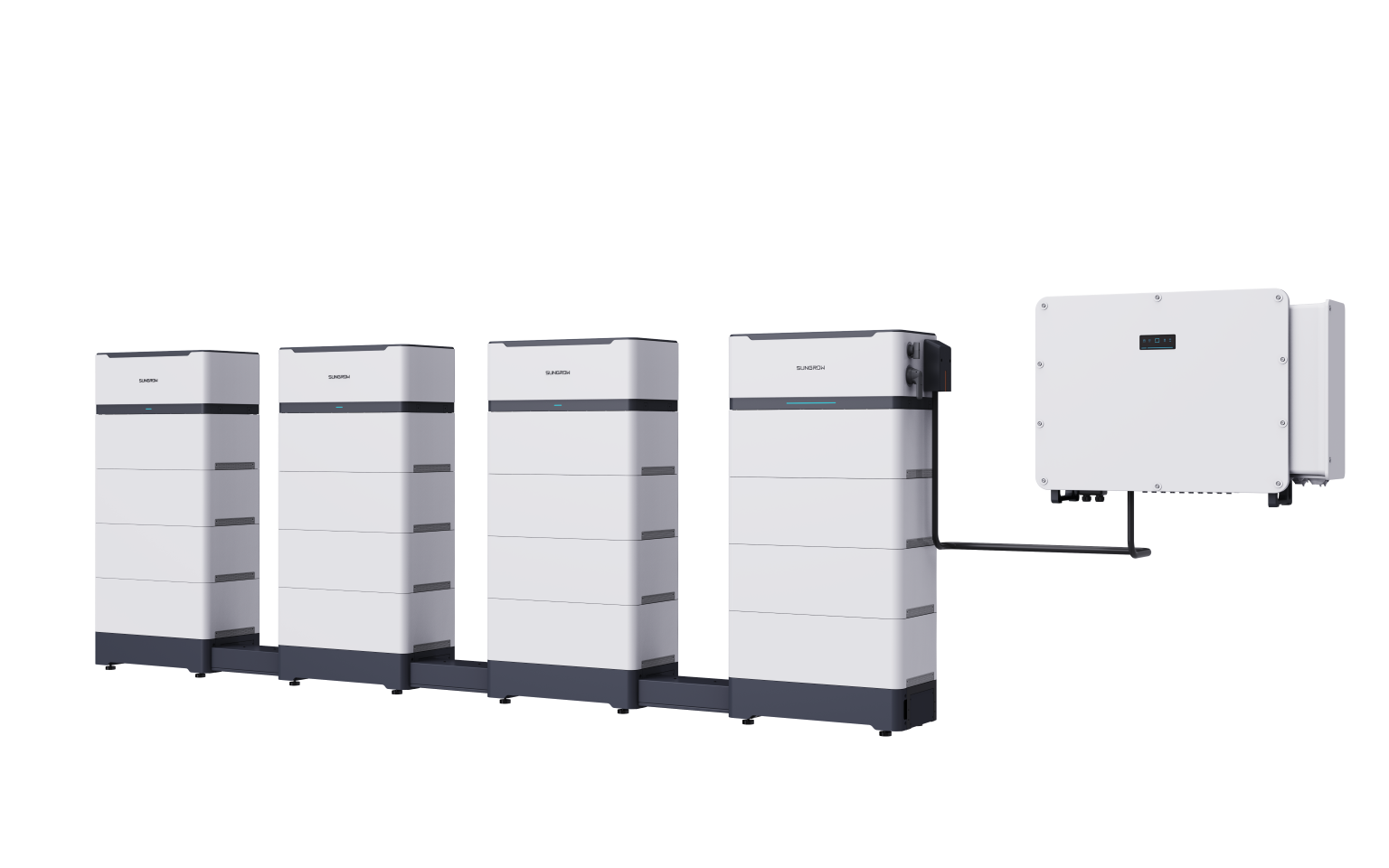
Where traditional systems fail — real pains from the field
I remember installing a 1.2 MWh lithium-ion BESS at a textile factory in Shah Alam in March 2023; the rooftop inverters were oversized, the controls mismatched, and within the first month the battery bounced between 90% and 15% SoC — costly wear, waste of capacity. On a wet Monday in June the factory’s meter spiked to 1.8 MW for two hours, costing RM12,000 — what would a better setup have done? (simple question, big money). I write this from more than 15 years supplying and commissioning commercial sites, and I want to show why the usual fixes — larger battery, another inverter, price arbitrage hopes — often miss the mark.
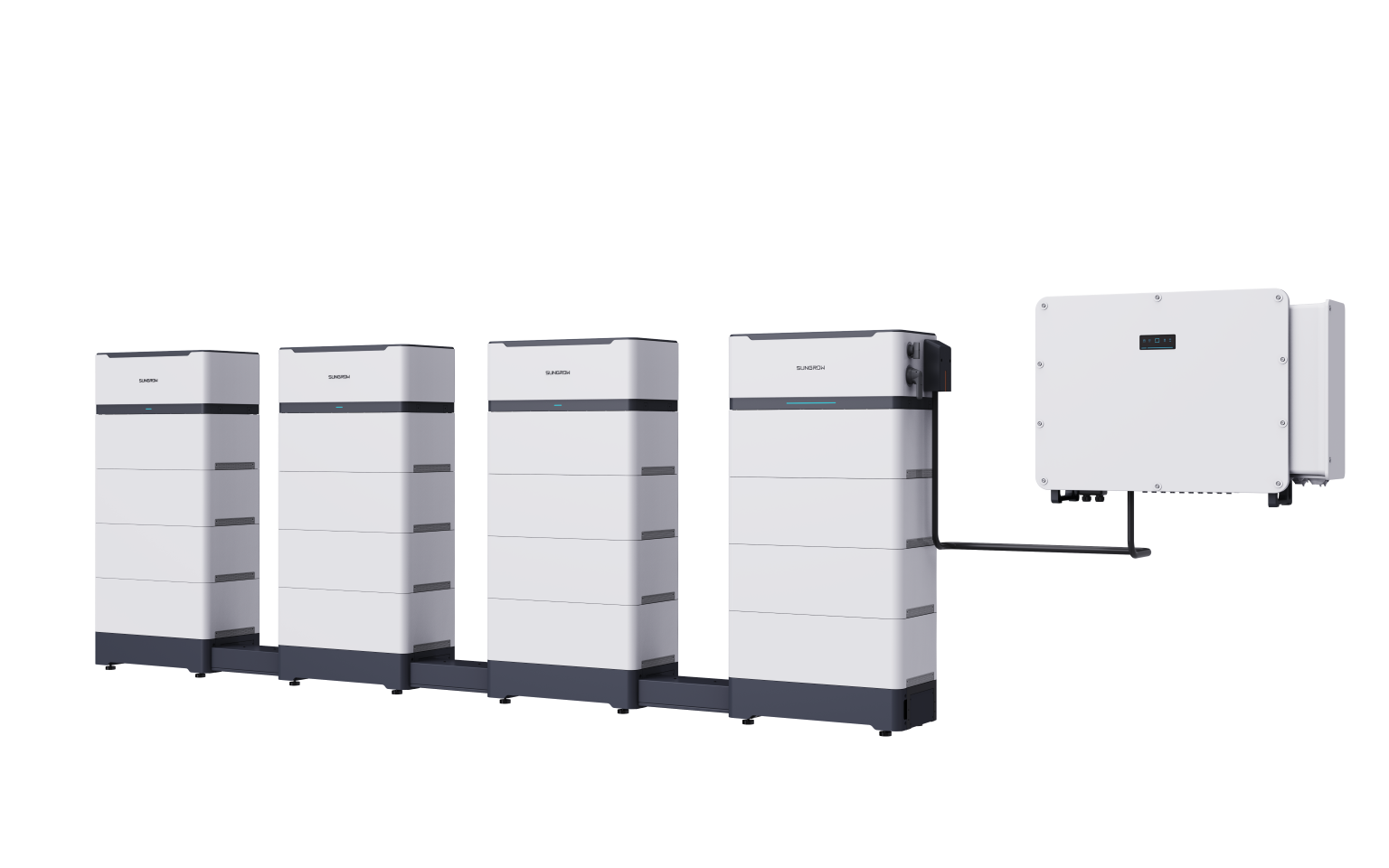
First, let me be blunt: many commercial operators buy a commercial energy storage system as if capacity alone solves everything. It does not. In the Shah Alam job we saw poor round-trip efficiency and weak controls; the plant lost 6% more energy per cycle than predicted because inverter sizing and power electronics were not tuned to the daily load profile. I say this because I measured it — energy meters logged it — and the owner felt it in cashflow. Hidden pain points I see repeatedly: mismatched power electronics, wrong battery chemistry for duty cycles, and control logic that treats the battery like a dumb tank instead of an active asset. These are technical terms—BESS, inverter, peak shaving—but the outcome is plain: higher degradation, lower uptime, unhappy procurement teams. This section ends here, pointing to practical options next — we move now to compare solutions.
Comparative outlook — what actually works next
Now I switch tone a bit; time to be technical and pragmatic. Compare two typical paths: (A) buy more kWh and hope for arbitrage; (B) design a system for targeted grid services and peak shaving. I have done both. In October 2022 at a cold-storage facility near Johor Bahru we chose path B and lowered demand charges by 28% within four billing cycles — measured evidence. The difference was not just battery size; it was control algorithms, SoC band planning, and integration with building management systems. A fine-tuned commercial energy storage system can provide dispatchable grid services, frequency response, and demand charge reduction — but only if instrumentation, firmware, and commissioning match the business case.
What’s Next?
Here I outline choices clearly. If you want fast payback for wholesale buyers, test these: demand charge reduction using real-time dispatch; hybrid inverter setups for flexible ramping; and lifecycle modelling that includes calendar fade and cycle depth. I insist on one concrete detail: run a three-month shadow dispatch before final commissioning — we did this at a packaging plant in April 2024 and caught a control drift that would have cut lifetime by 12% — saved tens of thousands. Short sentence. Then proceed. —
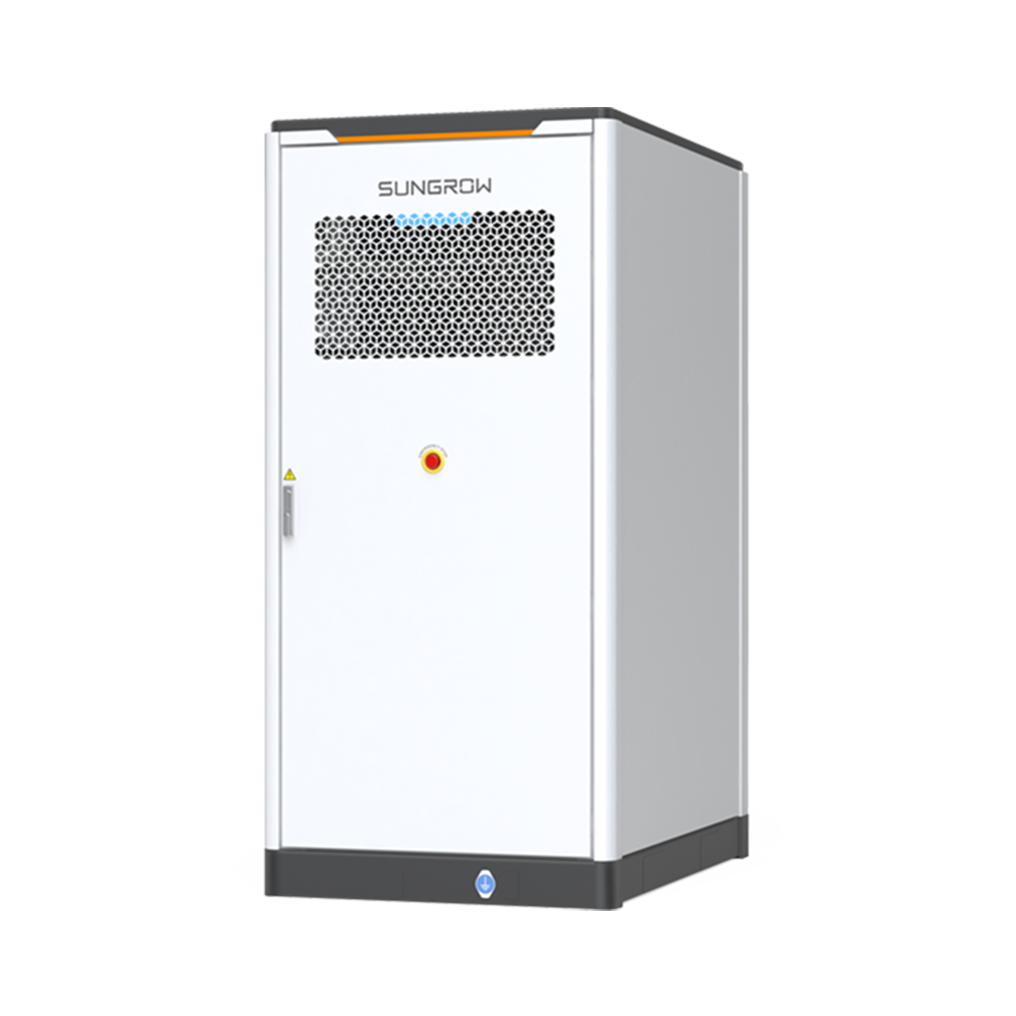
How to evaluate offers — three clear metrics
I close with advice I give every buyer. Assess vendors by these three metrics: 1) Verified round-trip efficiency under your duty cycle (not vendor datasheet but measured on-site); 2) Projected lifecycle cost per MWh delivered (include degradation and replacement schedule); 3) Control flexibility — can they provide programmable grid services, and do they support firmware updates and remote diagnostics? I prefer numbers. I ask vendors for the last 12 months of field logs. If they cannot produce, walk away. Simple, right? (actually, not always).
Final note — I’ve spent years negotiating warranties, watching inverter firmware versions, and standing on rooftops in afternoon heat watching SoC graphs climb and fall. My judgment comes from doing, not guessing. When you choose, compare like-for-like: chemistry, power electronics, grid services, and real test data. Pick solutions that reduce real pain — not just give attractive specs. For solid, tested systems and partner references, I often point teams to established suppliers like sungrow — they know commercial realities. Right, that’s the gist — next: test plans and procurement checklist.