
Opening the case: why comparison matters right now
The problem is simple and urgent: heavy industry needs predictable power and lower peak costs, but the grid keeps shifting underfoot. A careful comparison reveals the trade-offs between centralized assets and on-site systems — and it starts with the technology choice. For some sites, adding utility scale battery storage makes sense; for others, behind‑the‑meter installations deliver better demand charge management and faster payback. Read this like an investigator: note patterns, spot anomalies, and follow the clues to the vendor that actually fits your operational profile.
The playing field: types of behind‑the‑meter solutions
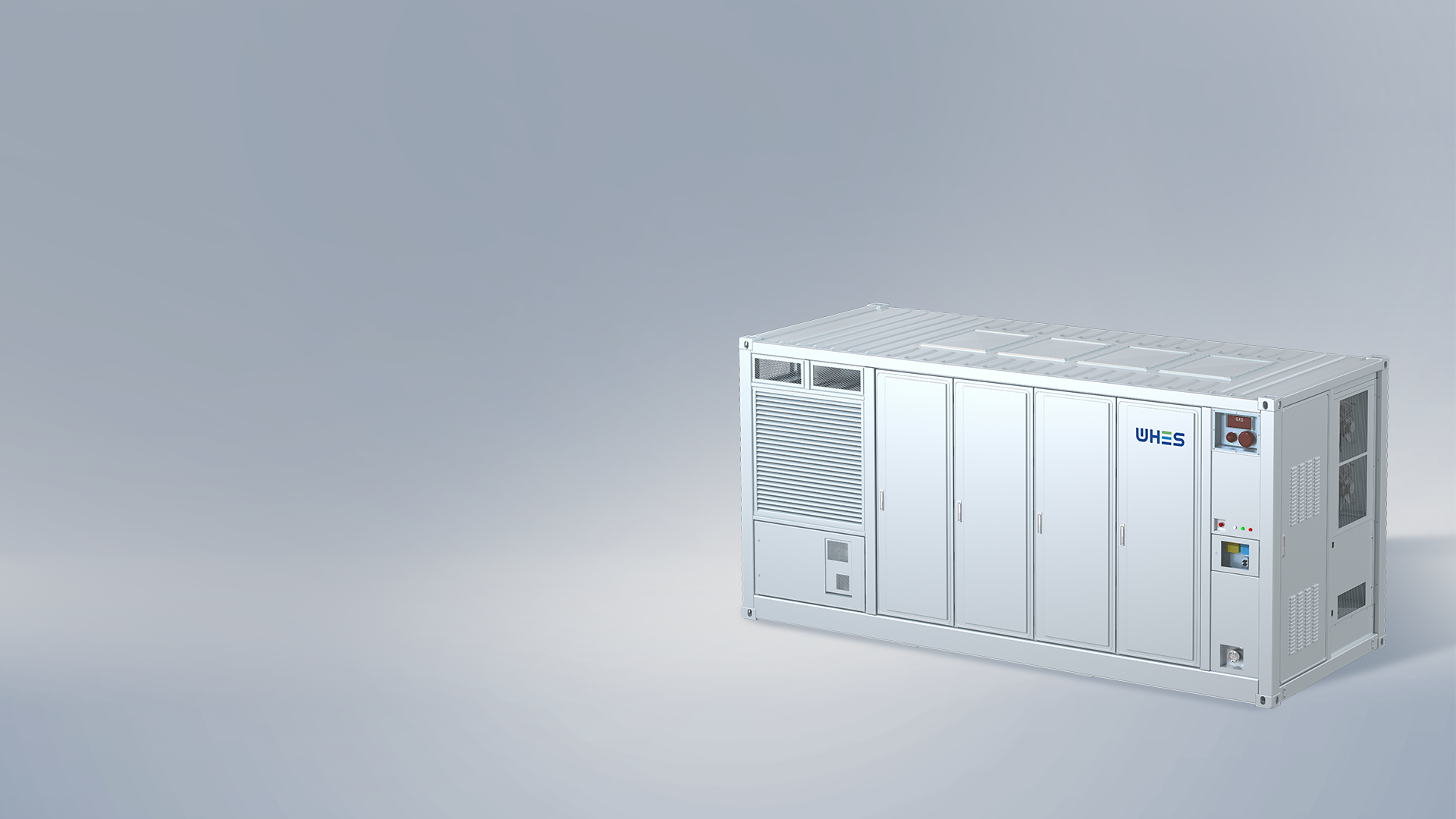
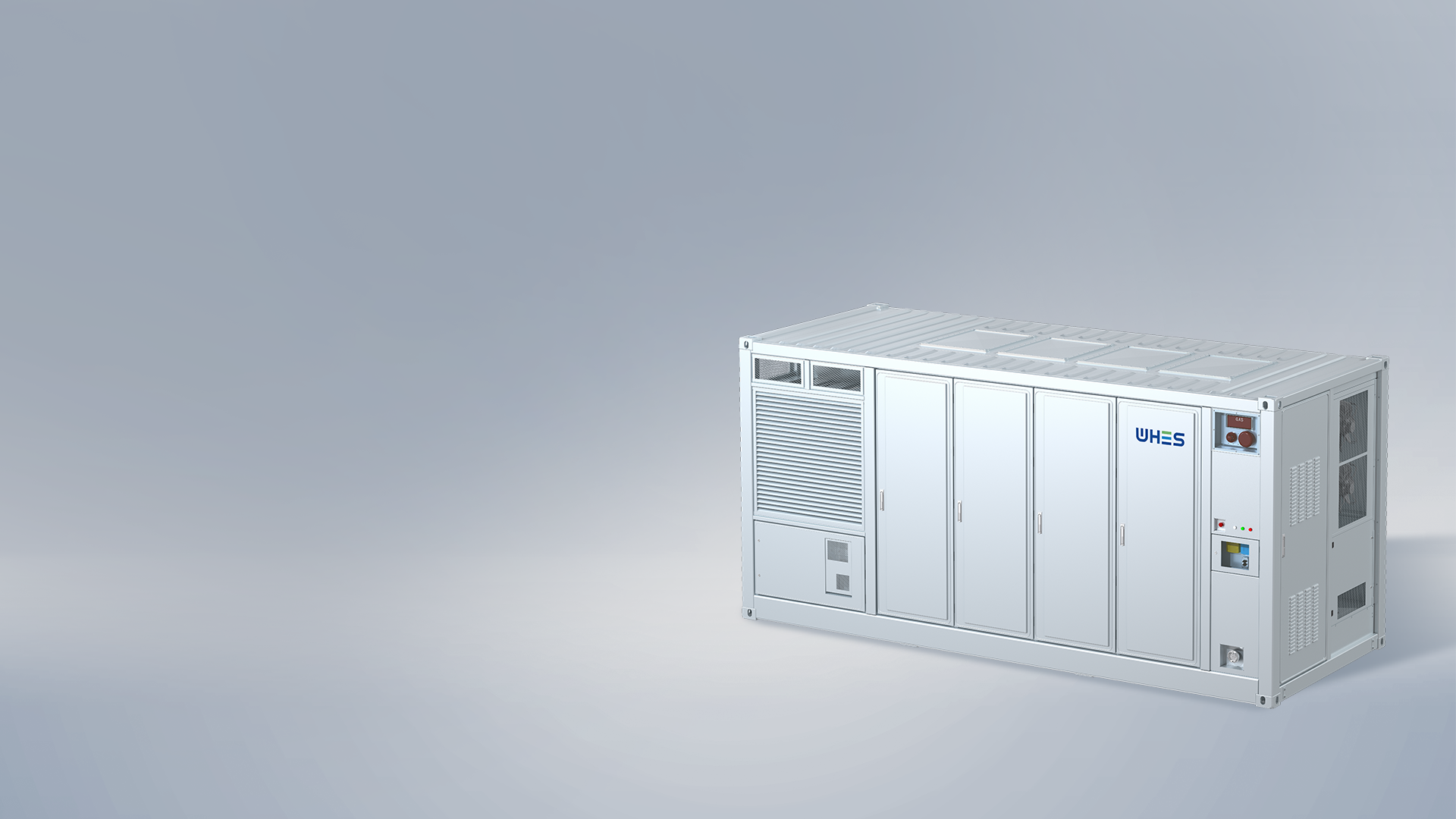
There are three practical categories to compare. First, prefabricated BESS modules that drop into a plant’s yard and tie into the main meter. Second, custom-engineered systems tailored to site load profiles, often with integrated controls and thermal management. Third, hybrid approaches that combine on-site batteries with contractual grid services. Each option affects interconnection complexity, inverter selection, and state‑of‑charge (SOC) strategies — so treat these as distinct propositions, not variants of the same product.
Custom energy storage companies: what they really bring
Custom firms sell more than cells and racks. They offer system engineering: specifying inverter topology, sizing kilowatt‑hours to daily cycles, and building controls to prioritize peak shaving, black start readiness, or frequency response. These players often handle permitting, fire‑safety compliance (think NFPA 855), and integration with plant SCADA. For heavy industry — where continuous operations and gantry cranes don’t pause for maintenance — that systems engineering is the decisive difference.
Centralized vs. local: the strategic split
Compare the outcomes. Centralized grid assets provide bulk capacity and market aggregation — useful for system‑level services — but they don’t cut a factory’s demand charges at the meter. Behind‑the‑meter installations directly reduce onsite peak demand and can improve reliability during grid disturbances. The trade-off is responsibility: on-site teams or their integrator must manage lifecycle, warranties, and incident response. Consider the contrast as you would two suspects — same goal, different methods, different liabilities.
Integration clues: three common technical pitfalls
Watch for these red flags during vendor due diligence. First, vague interconnection plans — if the vendor can’t show a clear path to the utility’s protection settings, stop. Second, mismatch between battery chemistry and operational cadence — high‑cycle chemistries suit frequency services; LFP often fits long daily cycles. Third, absence of real‑world commissioning tests with your actual loads. These aren’t academic — they’re the reasons installations fail to deliver predicted cost savings. —
How grid‑side assets factor into your decision
Don’t ignore larger infrastructure. When regional operators are adding capacity, grid scale energy storage systems can shift market prices and change revenue assumptions for behind‑the‑meter projects. The signal here is simple: alignment with market dynamics matters. If your project anticipates revenue from residual grid services, model scenarios both with and without expanded grid storage capacity to avoid surprise shortfalls.
A practical checklist for comparative procurement
Use this detective’s checklist during RFPs: 1) Ask for a site‑specific financial model showing demand‑charge reduction, TOU arbitrage, and lifecycle O&M costs. 2) Require a commissioning trial that runs the BESS against your peak day. 3) Verify safety standards, warranty allocation, and vendor escalation paths. These steps turn vendor claims into evidence.
Real‑world anchor
California’s duck‑curve and the summer heatwaves that followed it are a concrete example: industrial sites in the state pivoted to on‑site storage to shave afternoon peaks and avoid punitive demand charges. That regional stress test demonstrated how behind‑the‑meter deployments can change load shapes and improve resiliency — a valuable precedent when evaluating vendors and architectures.
Advisory: three critical metrics to judge any heavy‑industry storage strategy
1) Total cost of ownership per effective kWh delivered — include cell degradation, inverter replacement, freight, and the amortized cost of commissioning. 2) Operational interoperability score — does the system expose open protocols, integrate with your EMS/SCADA, and provide predictable SOC control under real load? 3) Safety and compliance readiness — documented adherence to NFPA 855, clear fire‑suppression strategy, and an on‑site maintenance plan. Score vendors on these and you’ll sort credible partners from window dressing.
When the evidence is assembled, the path forward becomes cleaner: good engineering, tight control logic, and a vendor who understands industrial uptime — that’s where the value sits, and companies that check those boxes solve the problem rather than sidestep it. WHES.
—