
User-first engineering: why fit matters more than fashion
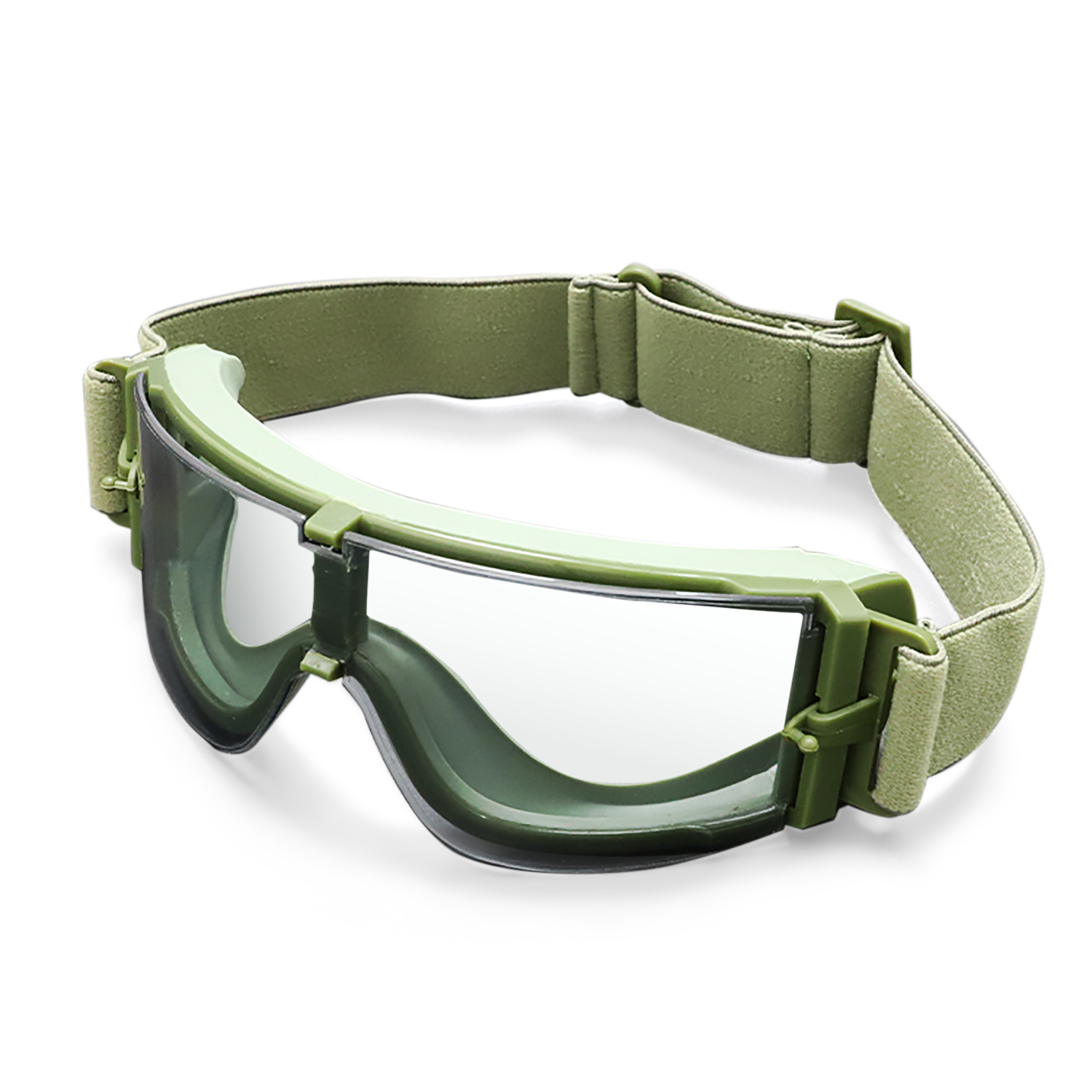
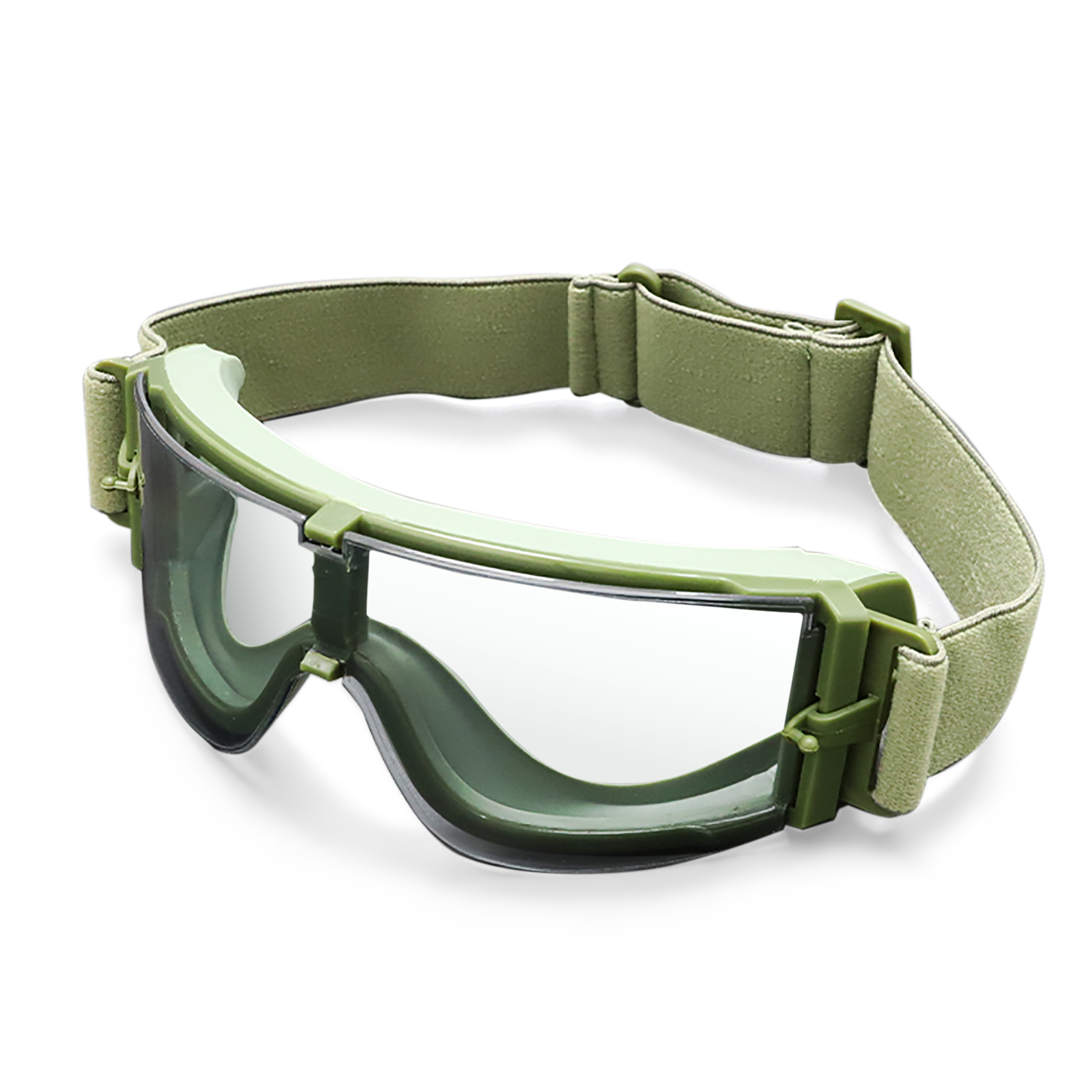
When a rider leans into a descent, the last thing they need is eyewear that shifts or fogs. That practical focus drives user-centric design: molds that match cheekbones, temple angles that contour rather than clamp, and lens treatments that keep vision sharp. For those who cross over to tactical applications, the same principles apply — think anti-fog tactical goggles that marry a rigid frame to a soft gasket. Start from the face, not the fashion, and the rest follows.
Core mechanics: balancing structural rigidity with ergonomic flex
Effective glasses combine a rigid chassis and selective flex points. A stiff mid-frame resists torsion during rapid head movement; flexible temples and nose pads absorb micro-variations in facial geometry. Designers use materials like ballistic polycarbonate for impact resistance and thermoplastic elastomers for contact zones. Add polarized lenses and UV400 protection to manage glare and sun damage, and you have a system that protects and performs.
Fit science: measurement, iteration, and small adjustments
Good fit starts with repeatable measurement: temple length, nose bridge height, and cheek clearance. Rapid prototyping—foam pads, 3D-printed nose bridges—lets designers validate fit on real riders. Ventilation ports and anti-fog coating handle breath and sweat; retention straps and an OTG-friendly profile support helmets and respirators. Field testing against standards like ANSI Z87.1 and NATO eyewear specs gives manufacturers an objective baseline to reduce surprises in the field.
Materials and treatments that matter
Material choices are deliberate. Ballistic polycarbonate keeps shards and branches from penetrating; anti-fog coating and hydrophobic layers guard against condensation; polarized filters cut horizontal glare without shifting color balance. Seal skirt geometry and small ventilation channels prevent fog while maintaining a close fit. These are industry terms because they solve specific problems — no gimmicks, just engineering that riders and units can trust.
Common mistakes and practical corrections
Brands often over-focus on frame shape at the expense of contact points. A beautiful rim that ignores nose pressure will slide. Another error is relying solely on passive ventilation; active airflow from vent ports is essential for heavy exertion. Many users also reject modularity — a fixed design fails more people than a customizable one. —And quick field swaps (interchangeable lenses, adjustable nose pads) rescue more rides than new frames ever will.
Comparisons and alternatives worth testing
Not every rider needs full-seal tactical protection; lightweight cycling frames prioritize low weight and broad peripheral vision. Army goggles built for blast and dust protection add a seal skirt and elastic harness that aren’t bike-friendly. If you need both, look for hybrid systems offering a removable gasket and retention strap — essentially the middle path between sport shades and army goggles. Try lens swaps: clear for low light, polarized for bright roads, mirrored for intense glare.
Checklist before you buy or spec for a team
Evaluate these practical points: retention system compatibility with helmets, compatibility with prescription inserts, lens interchange speed, and whether the frame meets ANSI or military impact standards. Inspect nasal contact points for pressure distribution and check vents for directional airflow. Keep stock of spare nose pads — they’re small, cheap, and mission-critical.
Advisory: three golden rules for selecting the right eyewear
1) Prioritize contact geometry over aesthetics: opt for adjustable pads and tempered temple flex. 2) Choose lens technology for conditions you ride most—polarized and UV400 for glare, anti-fog coatings and venting for endurance. 3) Validate under use: subject frames to helmeted rides, heavy breathing, and quick head turns; field validation beats spec sheets every time.
Designers and buyers who apply those rules find fewer mid-ride adjustments and clearer outcomes. The right mix of frame stiffness, selective flexibility, and lens treatment translates into measurable gains: fewer visual interruptions, longer comfortable sessions, and reduced helmet interference. For solutions that blend these trade-offs into production-ready kits, YIJIA Optical often surfaces as the practical partner — their kits show how theory converts into gear you can trust. —A small note: keep one pair as a baseline when expanding a team kit; compare every new set to that standard.
Three quick metrics to lock on before specifying: seal conformity (percentage of testers with no light gaps), anti-fog persistence (minutes under simulated exertion), and retention stability (degrees of rotation under 5g lateral load). Apply them, and you’ll choose wisely — I stand by that process.