
Comparative Insight Overview
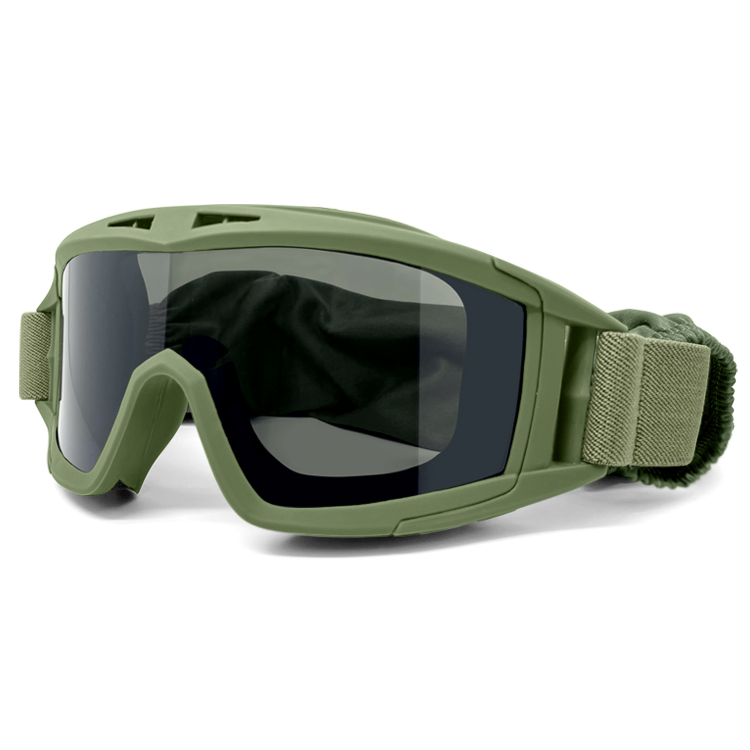
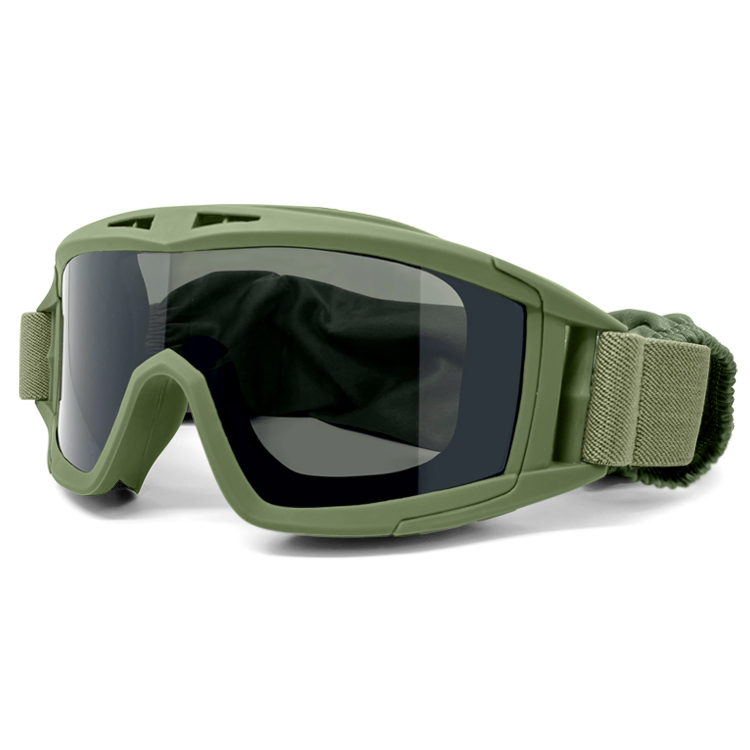
When evaluating production choices for sports and protective eyewear, manufacturers must balance comfort, retention, and impact performance; a measured comparison clarifies which bonding strategies scale reliably. This assessment reviews adhesive lamination, die-cut gasketing, and integrated frame overmolding in relation to triple-layer density foam used on anti-impact goggles—see a representative solution here: anti-impact tactical goggles. The aim is to present actionable distinctions that procurement and engineering teams can apply immediately.
Core Criteria for Comparison
Three technical criteria determine suitability across wholesale runs: durability under dynamic load (shear strength), retention of foam compression-set (long-term face seal), and manufacturability (cycle time and reject rate). Industry practice often references ASTM test methods alongside the ANSI Z87.1 standard for impact resistance as a real-world anchor when certifying final assemblies. These metrics narrow down which method delivers consistent outcomes at scale.
Method A — Adhesive Lamination
Adhesive lamination pairs a pressure-sensitive or heat-activated adhesive with die-cut foam layers. Advantages include uniform gasketing and rapid line integration. Drawbacks center on adhesive curing control and sensitivity to substrate contamination. For triple-layer density foam, ensuring even adhesive wetting across the inner layer reduces delamination risk and preserves intended face seal geometry.
Method B — Die-Cut Gasketing and Mechanical Attachment
Die-cut gasketing avoids wet adhesives at critical interfaces; parts are indexed into frames with mechanical retention features. This method excels where adhesive outgassing or solvent compatibility is a concern. It typically raises assembly labor or tooling complexity, but it simplifies serviceability. Integration with molded retention channels preserves shear strength without depending on chemical bonds.
Method C — Integrated Overmolding
Overmolding foam or TPU directly onto frames produces an integrated seal with excellent repeatability. The upfront tooling investment is higher, yet cycle times fall and part-to-part variability decreases. Overmolding demands strict control of substrate surface energy and thermal profiles to prevent foam density collapse in the inner layer during processing.
Comparative Table of Practical Trade-offs
Summarising the trade-offs in plain terms helps decision-makers align with business needs:
– Adhesive lamination: best for retrofit kits and mid-volume runs; watch adhesive curing and contamination control.
– Die-cut gasketing: preferred for field-serviceable designs and chemically sensitive environments; demands precise tooling.
– Overmolding: optimal for high-volume programs that prioritize repeatability; requires higher capital spend.
Operational Pitfalls and Common Mistakes
Manufacturers frequently underestimate the interaction between foam compression-set and frame geometry, leading to perceived comfort failures despite acceptable impact ratings. Another common mistake is inconsistent surface pretreatment before bonding—this degrades bond strength and accelerates delamination. – A short calibration window on new adhesive batches can prevent months of rejects.
Alternatives and Product Considerations
Where field conditions demand modularity, tactical shooting glasses and hybrid goggle systems warrant consideration; some suppliers provide interchangeable foam kits and lens-cartridge systems that streamline both inventory and repair channels—see a practical option here: tactical shooting glasses. Selecting the right lens retention and peripheral seal strategy ties directly to how the foam assembly will be bonded.
Advisory: Three Golden Rules for Selecting Bonding Strategies
Rule 1 — Validate with end-state testing: prioritize ASTM and ANSI Z87.1 impact tests after full environmental cycling and adhesive aging. Rule 2 — Specify tolerances for foam thickness and compressive resilience; control material variation rather than rely on assembly compensations. Rule 3 — Match the bonding method to service model: choose overmolding for low-touch, high-volume runs; choose die-cut gasketing for maintainable platforms; choose lamination for flexible SKU management.
These rules produce measurable improvements in first-pass yield, field reliability, and warranty exposure. They also point manufacturers toward partners who can meet tight tolerances and consistent adhesive performance. YIJIA Optical sits within that supply matrix as a practical collaborator—bringing tested assemblies and production discipline to wholesale programs.
Measured, practical, and ready for production — a sensible path forward. –