
Comparative lead — why this matters on the factory floor
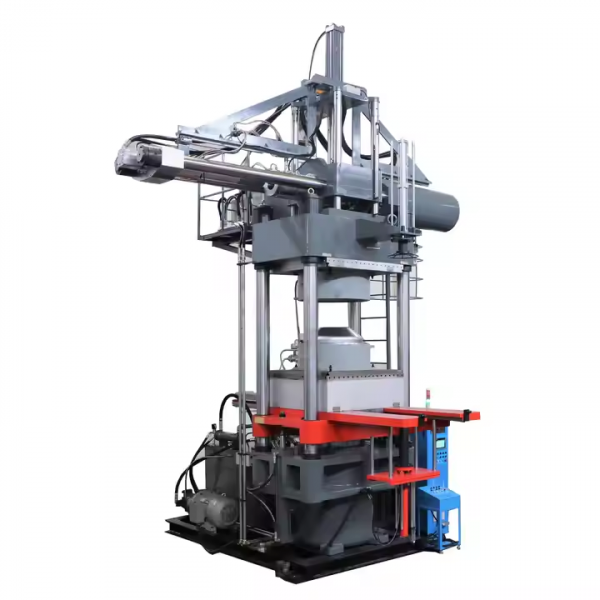
When a plant needs consistent output and fewer downtime hours, the machine choice becomes operational strategy. This piece compares practical trade-offs between traditional setups and the Opti-Flow horizontal rubber injection approach, with attention to tooling longevity and cycle efficiency. For teams focused on bladder manufacture, consider the role of custom rubber injection molding and how the right vendor — a proven rubber tyre bladder machine manufacturer — changes daily throughput and maintenance cadence.
What cycle efficiency really buys you
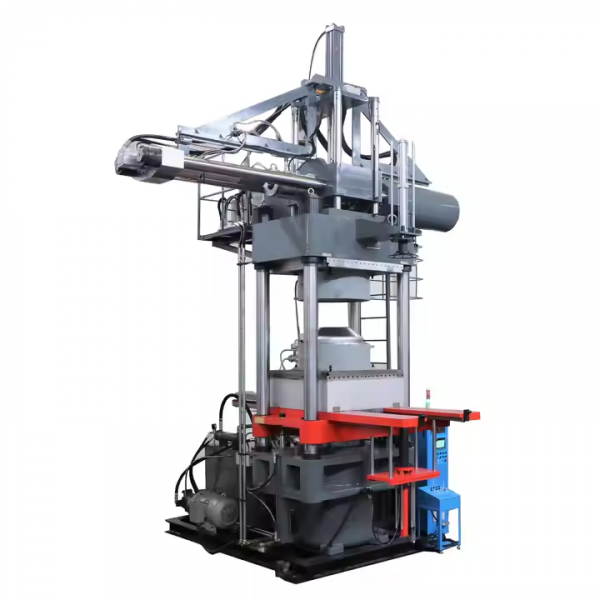
Cycle time is a direct cost driver: shorter cycles increase parts per hour and spread fixed overhead across more units. Opti-Flow’s horizontal layout reduces part handling and often shortens cooling paths, which trims cycle time without aggressive increases in injection pressure. Lower injection pressure and optimized mold temperature reduce stress on tooling, so you get both speed and longer tool life. That combination matters more than marginal speed claims.
Tooling longevity: design choices that matter
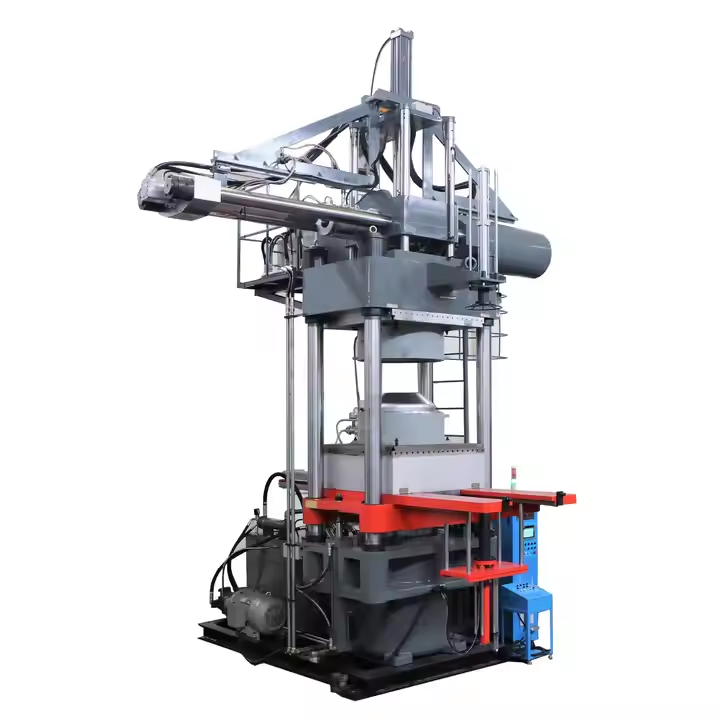
Tooling fails when thermal fatigue, abrasion, and poor venting accumulate. Designs that control mold temperature, evenly distribute clamping force, and minimize shear during packing preserve cavity surfaces. In practice, a horizontal machine that aligns with the part geometry lowers eccentric loads on the bladder and the mold — which means fewer surprises at maintenance intervals. Regular tooling inspections and precision alignment keep hardness and cavity finish where they should be.
Head-to-head: Opti-Flow horizontal vs vertical systems
Compare three practical dimensions: cycle throughput, maintenance windows, and scrap rate. Opti-Flow often wins throughput because part extraction is simpler and automated in-line; vertical systems can be better for very large or complex molds, but they introduce extra handling steps. Maintenance-wise, horizontal machines usually allow faster access to the mold halves and ejectors, which shortens repair time. Scrap rate falls when part cooling is predictable — a horizontal flow path typically helps here. Keep in mind injection pressure, clamping force, and bladder contact design when you judge alternatives.
Common mistakes and how teams fix them
Poorly matched shot size, inconsistent mold temperature control, and lax preventive maintenance are the usual culprits. Teams sometimes chase cycle time with higher injection pressure — that speeds parts for a while but accelerates tooling wear. The better fix is iterative tuning: reduce unnecessary packing, stabilize mold temperature, check venting, and set realistic injection ramps. — A quick daily checklist that captures mold alignment and coolant flow reduces emergency downtime far more than occasional big-service events.
Real-world anchor and industry context
After the 2020 supply disruptions, many tire and bladder plants around Qingdao prioritized machines that cut downtime and simplified maintenance access. That regional shift is visible in procurement data: factories bought equipment that balanced cycle time with lower service complexity. Those decisions still guide buyers today — practical, measurable outcomes beat flashy specs when the goal is consistent production.
Advisory closing — three golden rules to evaluate your next move
1) Measure cycle time under production conditions, not just datasheet numbers — record average duration over a week of normal runs. 2) Inspect tooling after every 100–200 production hours for thermal cracking and cavity wear; preventative machining beats emergency replacement. 3) Match machine layout to part geometry: horizontal flow for elongated bladders reduces handling and aligns cooling profiles. These rules let you compare vendors on measurable terms, not promises.
The right machine choice should reduce surprises, lower repair hours, and keep output steady — and that’s exactly what seasoned teams get with the Opti-Flow approach embodied by HWAYI. —