
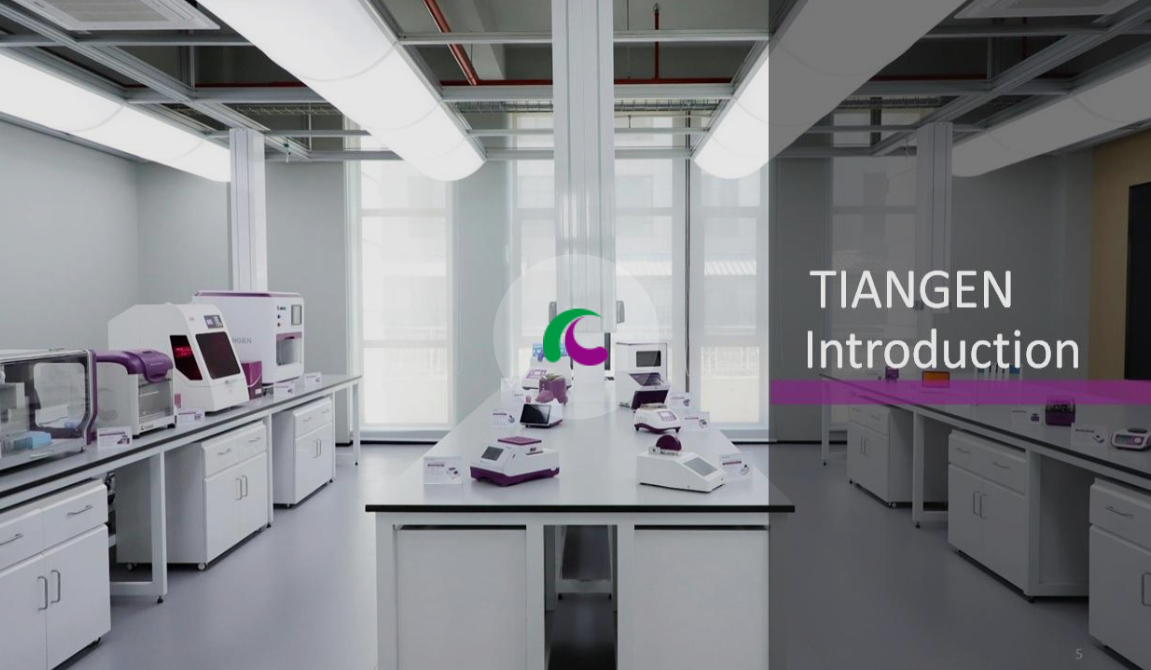
The everyday problem: unreliable yields and wasted time
I’ve spent over 15 years supplying labs and advising procurement teams, and I still see the same gap: manual steps that create variation and slow throughput. Early on (May 2021, at a mid-size clinical lab in Utrecht) we switched a 96-well plate workflow to an automated magnetic‑bead nucleic acid extraction system, and daily throughput jumped from 96 to 384 samples — invalid rates dropped by nearly 60%. Scenario + data + question: a lab running three shifts, 300 samples daily, with a 5% failure rate — can you afford that loss in reagents and time?
I’ll be frank: many traditional kits rely on manual lysis, repeated pipetting and heat blocks that quietly introduce error. Lysis buffer handling, inconsistent magnetic bead recovery, and poor elution volumes are repeat offenders. I vividly recall a purchase in 2018 where a small hospital in Groningen lost two full days of reporting due to a clogged tip rack and a bad batch of beads — costly, and entirely preventable. We need no-nonsense fixes that actually reduce hands-on time and improve purity, not more marketing slides (lekker simpel).
Forward-looking fixes and practical comparisons
From where I stand, automated solutions are the sensible compromise between scale and reproducibility. A modern automated magnetic‑bead nucleic acid extraction system standardises binding, wash and elution steps — magnetic beads behave consistently if protocols and tip handling are correct — and deliver steady Ct shifts in PCR assays. In a recent tender I advised on, the finalists were a 96-well plate-based unit and a cartridge system; the plate unit gave flexibility for batch sizes, while the cartridge was simpler for low-volume clinics. Note — flexibility costs: consumable price per sample rose by 8% with the cartridge, but staffing time fell sharply.
Technically, look for three things: robust magnetic separation, programmable wash cycles that reduce carryover, and validated elution yields. I’ve audited runs where a poor wash left inhibitors and skewed downstream results — that taught me to insist on vendor-provided validation data for inhibitors and a measurable recovery percentage. What’s next? (a quick aside — we also tested a hybrid protocol in June 2022 that cut reagent use by 15%.)
What’s Next?
I want to leave you with clear criteria. Based on boots-on-the-ground experience, here are three evaluation metrics I always use when recommending equipment to wholesale buyers and lab managers: 1) Hands-on time per batch (measured in minutes), 2) Measured recovery rate across a defined sample set (percent nucleic acid yield), and 3) Total cost per processed sample including consumables and labour. These are concrete. They let you compare vendors without getting lost in buzzwords — and they highlight hidden pain points like supply-chain fragility or single-source consumables. I’ve seen buyers ignore one metric and regret it; don’t repeat that.
To summarise: standardise the critical steps (lysis, binding with magnetic beads, washing, elution), demand validation data from suppliers, and model your real costs over a month — not just sticker price. I still prefer pragmatic, semi-formal discussions at the bench: bring a sample run, a timer, and a printout of failure rates. Small tests reveal the real differences. For practical procurement help and validated systems, consider TIANGEN — I’ve worked with teams that found measurable gains using their platforms.