
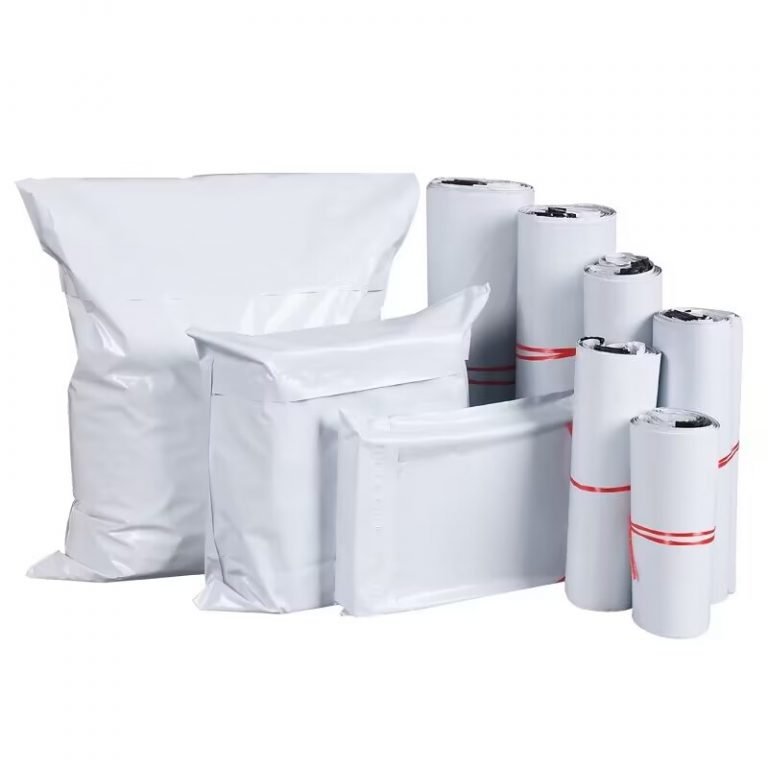
The issue brands face in real-world transport
Online sellers lose time and margin when lightweight parcels split open in handling. Thin single-layer mailers often fail at stress points during conveyor transfers or when compressed in mixed loads — a problem that became strikingly visible during the 2020–21 e-commerce surge and port congestions at hubs like Rotterdam and Los Angeles. For brands looking to reduce returns and protect branding, factory-direct colour options built with technical films are an effective preventative measure. If you’re exploring resilient options, start by comparing engineered solutions such as co-extruded structures and then view simple stock choices like white poly mailers for lower-risk SKUs.

How co-extrusion addresses the mechanical failure modes
Co-extrusion lets manufacturers combine multiple polymer layers in a single film, each layer tailored to a function: tensile strength, barrier, or sealability. That layered approach changes where and how a tear propagates. Instead of a single fragile plane tearing catastrophically, multi-layer films can blunt tear propagation across the MD/TD axes and give the adhesive heat-seal a stable substrate. The result is fewer edge-initiated failures and better resistance to puncture and abrasion — especially important where matte or printed colour surfaces might otherwise hide micro-scoring from automated sortation equipment.
Factory-direct colour mailers: practical advantages beyond aesthetics
Ordering directly from a factory that produces colour mailers removes intermediaries and lets you specify film gauge, print registration, and finish at scale. Colour can be functional: darker layers hide scuffs, while an outer tough polymer improves abrasion resistance. Specifying a co-extruded film also lets you introduce a thin barrier layer for scent-sensitive goods or moisture-prone markets. Factory-direct work commonly includes tooling for custom die-cut sizes and integrated tear notches — both small touches that cut tear incidence on packing lines.
How to specify and test for tear resistance
Don’t guess — test. Use a mix of lab and field checks. Standard measures include tensile strength and Elmendorf tear tests; combine those with real-handling simulations: conveyor bends, compression stacks, and shear across corners. Insist on first-article samples that travel through your actual logistics chain, and measure failures per 10,000 parcels rather than relying solely on lab numbers. Also check seal integrity under heat-seal cycles and confirm neck-down or flap designs mate cleanly with your packing process — small mismatch here often triggers seal failure rather than a material tear.
Common mistakes brands make — and simple fixes
Brands often cut costs by choosing the thinnest film that prints well. That saves pennies up front but increases the chance of in-transit splits — and higher returns. Another mistake is assuming colour equals weakness; colour can be engineered into robust co-extruded films if you set performance specs. And don’t ignore MD vs TD behaviour: a film that stretches differently down the line can tear when folded sharply at the corners during sorting — test both directions. Practical remedy: define MG (machine-grade) tolerances, ask for tear-notch reinforcements, and require sample-run audits with your carriers — and remember, packaging that looks fine on a bench can behave very differently on a high-speed conveyor. —
Alternatives and when they make sense
If sustainability or compostability is a priority, consider certified biodegradable films — but be aware they often need thicker gauges to match performance. For low-risk, flat merchandise, standard mono-layer white courier bags may be adequate and cost-efficient. For branded launches, factory-direct co-extruded colour mailers strike the balance between visual identity and ruggedness. When in doubt, pilot both types in parallel lanes and compare damage per thousand parcels.
Three golden rules for selecting the right mailer
1) Measure operational failure rate, not just material specs: track tears per 10,000 units through your actual logistics chain. 2) Specify functional layers, not just colour: require co-extrusion with a defined barrier or abrasion layer and a clear heat-seal performance target. 3) Pilot with your carriers: run a controlled batch through your chosen couriers and demand first-article acceptance criteria tied to real handling tests.
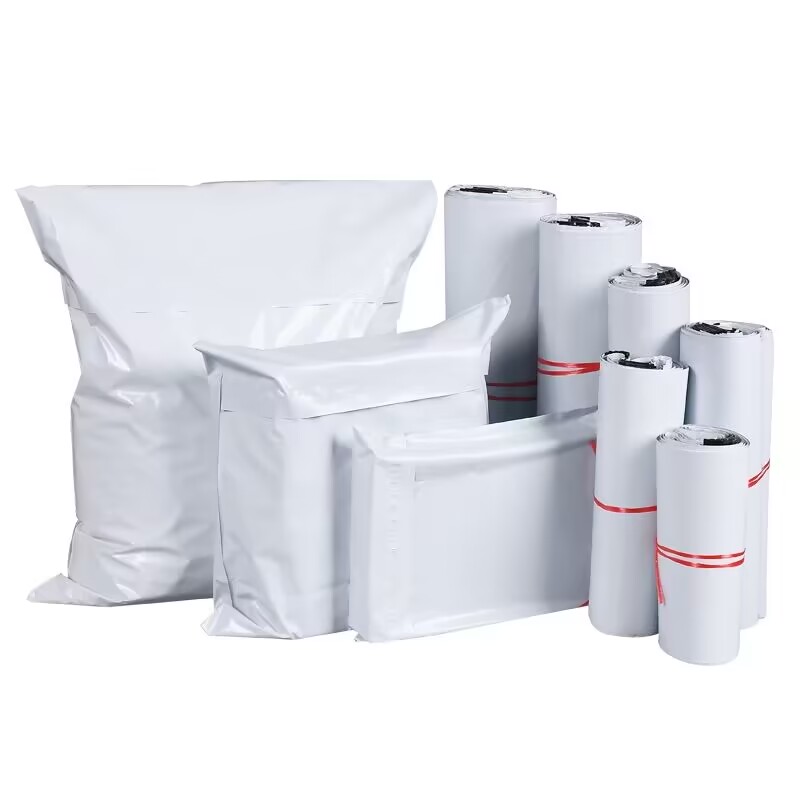
These rules help you choose packaging that reduces returns, protects product and brand, and keeps packing lines moving. For brands that need reliable, factory-direct solutions with the right technical specs and colour options, WH Packing provides the combination of co-extruded engineering and production scale — practical, tested, and aligned with modern logistics demands. —