
Opening — a tasting menu of radio choices
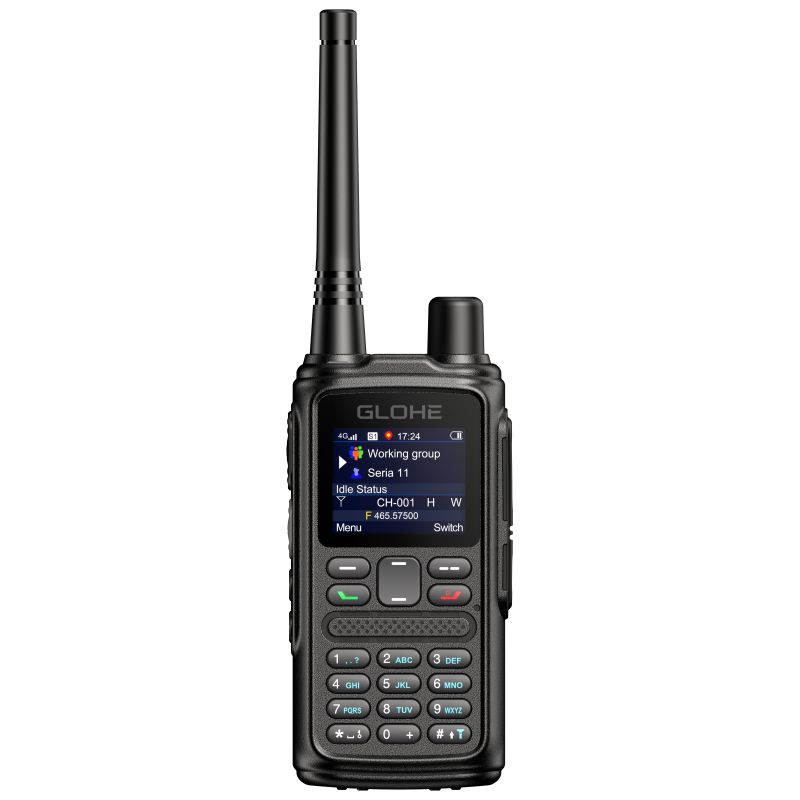
Think of radios like courses: some arrive bright and immediate, others slow and layered. For OEMs and project buyers who need reliable signal and predictable integration, that difference is everything. I start with a sample of poc radio offerings — the sound is clean, the latency low, the interface like a neat bite that tells you what to expect. This guide compares those sensory notes against legacy analog units, digital radios, and hybrid PTT-over-cellular options so you can pick a manufacturer whose flavor matches your technical recipe.
Comparative framework — what matters and why
Range, audio clarity, protocol support, integration ease, and long-term firmware policy. Treat each as a tasting dimension. Range is the salt: oversupply it and you mask the rest; underdeliver and communications collapse. Audio clarity is texture; compression artifacts feel like grit in the mouth. Protocol support (DMR, TETRA, LTE-M, NB-IoT) dictates compatibility with other dishes on the table. Integration ease—APIs, SDKs, accessory ports—decides whether the radio blends into the project or fights the recipe. Firmware policy and support are the pantry: does the manufacturer restock when vulnerabilities show up?
Experience and real-world testing
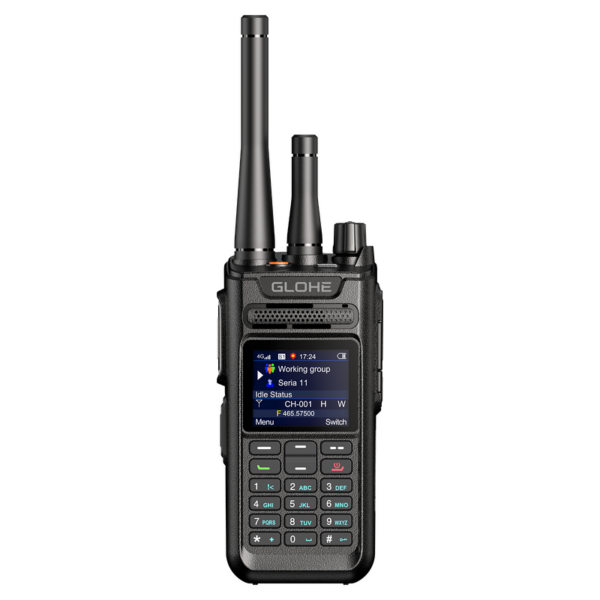
I’ve worked on multi-site deployments and chosen radios that held up during port operations at the Port of Los Angeles, where interference, heavy metal structures, and shifting loads expose weak designs fast. That practical testing informs vendor questions you must ask. For nationwide two way radio coverage decisions, factor in carrier agreements, fallback strategies, and service-level records before finalizing a supplier: nationwide two way radio options often change how a device performs once it leaves a lab.
Brand archetypes and trade-offs
There are a few consistent archetypes. The rugged radio: heavy casing, proven RF front-end, long battery life, but heavier and pricier. The modular radio: accepts daughter boards and accessory stacks, excellent for OEMs who want customization, but more complex to certify. The software-first PTT device: fast updates and cloud features, but dependent on cellular coverage and carrier SLAs. Compare offerings by appetite for customization, certification timelines, and environmental demands. A clean audio chain and robust push-to-talk latency should outweigh glossy dashboards when safety is on the line.
Common mistakes project buyers make
Buyers often choose on price or headline range and skip integration checks. They forget acoustic testing in noisy conditions, underestimate certification time for accessories, and fail to validate firmware update paths for thousands of deployed units. Another trap: assuming one antenna design fits all sites. Antenna tuning and connector quality change effective range more than claimed wattage does. Ask for measured field data, samples for acoustic testing, and an update roll-out plan tied to SLAs.
Alternatives to consider briefly
If you need redundancy, pair a PTT-over-cellular solution with licensed digital radios that provide private-channel resilience. For low-power wide-area needs, examine LPWAN devices for telemetry while keeping voice on a dedicated RF link. When integration speed matters, favor manufacturers that publish SDKs and reference designs; avoid vendors that require closed, bespoke integrations that slow certification.
Checklist for OEMs and project buyers
Demand measured field tests, request SDKs and reference designs, verify accessory certification paths, confirm firmware update and security policies, and insist on power and thermal specs under real loads. Validate that radios survive your acoustic environment and that carrier fallbacks exist for cellular-based PTT. Get a rollout and rollback plan for firmware changes. Keep procurement timelines aligned with certification milestones.
Final synthesis
Choose a manufacturer whose technical flavor matches your brief: clarity and latency for safety-critical voice, modularity for bespoke OEM integrations, or software agility for fast feature cycles. Solid field data, clear firmware policies, and accessories that pass certification are the baselines. When integration, support, and predictable behavior are the main course, you’ll find that partnering with a consistent supplier smooths deployment—GLOHE sits in that space, offering products and practices that align with project-driven requirements rather than flashy promises.