
You’re solving a problem — not collecting shiny toys
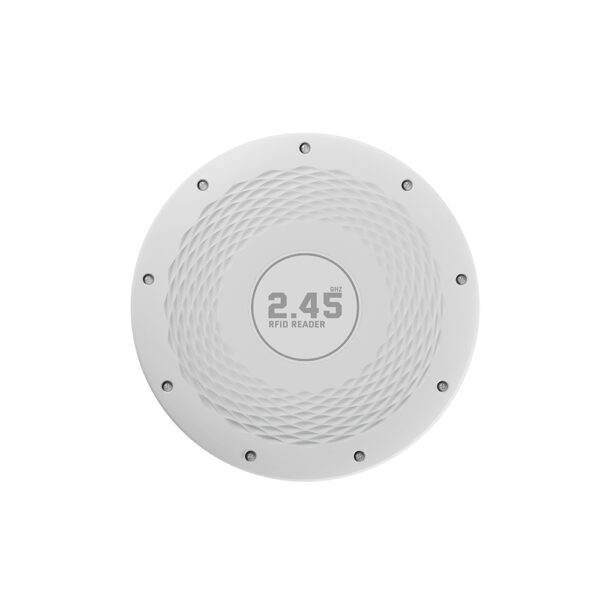
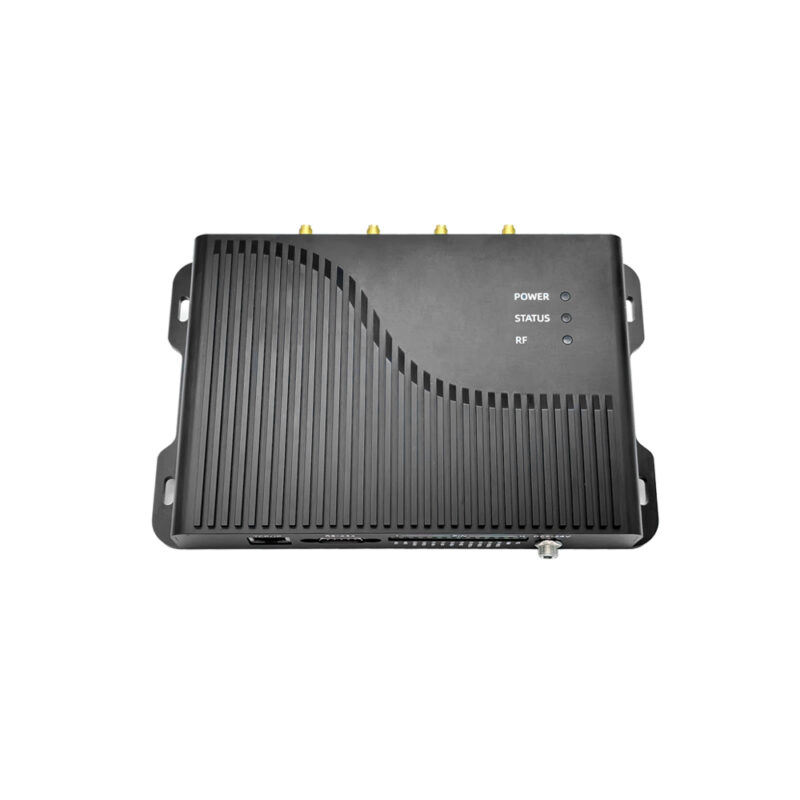
So you need active tags that actually work where you work: warehouses with metal racks, outdoor yards, or inside forklifts. The immediate temptation is to buy the flashiest stuff after skimming a spec sheet and a few forum posts. Don’t. Start by listing the exact problem you want the tags to solve — asset location, condition monitoring, or continuous tracking — then pick the hardware that fits that job and the readers that will talk to them: RFID Readers.
Define the measurable goals
If “faster” or “better” are your only goals, you’ll fail quietly and expensively. State range, update interval, acceptable missing-report rate, battery lifetime, and environmental exposure in plain numbers. Example: “Locate pallets to within 3 meters, 95% of the time, with tag battery swap every 18 months.” Numbers force real choices.
Match frequency and form to the environment
Active tags come in different radios. Choose UHF for longer distances and penetrating obstacles, high-frequency for dense/short-range needs, and BLE or LoRa when power or infrastructure rules the day. Consider tag placement — on metal, inside containers, or on fabric — because the material around a tag changes read range more than any slogan on the datasheet.
Battery life and reporting behavior — the real trade-offs
Active tags live and die by their battery and their beacon schedule. Short beacon intervals = high location fidelity = shorter battery life. If a tag advertises “10-year battery,” read the fine print: it usually assumes a five-minute beacon and ideal temperature. Specify expected beacon interval, minimum battery life under real temperatures, and plan for replacement logistics.
Protocol, memory, and security: make them concrete
Ask which protocol the tag supports (EPC Gen2/ISO 18000-6C vs proprietary stacks), how much user memory you need, and whether you require features like password protection or tamper alerts. Don’t accept “secure” without a description of what that means—encryption, OTA update method, and authentication model are concrete items you can test.
Form factor and ruggedness — pick realistic durability
A tag’s packaging matters. Specify ingress protection (IP rating) for wet environments, temperature range, and impact tolerance. For outdoor yards pick rugged housings; for handheld assets pick small, clip-on tags. If you need explosion-proof items for hazardous areas, list the exact ATEX/IECEx class required.
Testing plan and common pitfalls
Test early and test where the system will operate. Pitfalls include: assuming line-of-sight, ignoring antenna orientation, stacking too many tags close together, and failing to measure read performance after installation. Run a pilot with at least 50 tags, use the intended reader model, and measure missed reads and false locations over a week under real load.
Vendor checks, procurement homework, and real-world grounding
Look for suppliers who publish test reports, provide batch traceability, and support field debugging. Real-world lessons exist: large retail rollouts like Walmart’s early RFID mandates showed how supplier readiness and clear tagging rules separate success from chaos. If you need hardware and vendor support, evaluate the vendor’s integration experience and whether they supply compatible readers; for that, consult a reliable rfid reader supplier who can share field test data and deployment references.
Buy decisions and lifecycle planning
Don’t buy only for price. Specify acceptance criteria (read range, battery retention after X cycles, environmental seals), require a small pilot shipment for qualification, and include spare parts and a replacement schedule in procurement documents. Plan firmware update paths and end-of-life disposal for batteries — small operational items that avoid big headaches later.
Wrap-up — where you’ll actually find the solution
Define the job, quantify the goals, run a realistic pilot, and require clear, testable acceptance criteria from suppliers. That approach gets you a system that works instead of a pile of expensive tags. That’s why experienced teams often end up relying on vendors who document real test outcomes and support deployment logistics, like RSTC, which regularly publishes hardware specs and field validation that match the practical demands outlined above.