
Facing the real problem
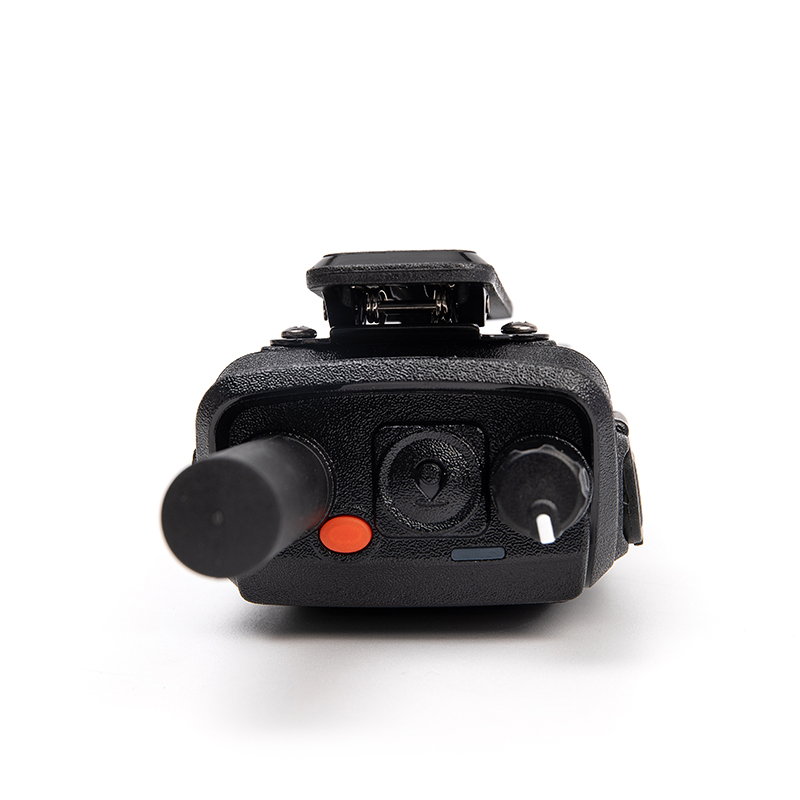
You need radios that never quit when lives, deadlines, or safety hinge on a clear call. Too many teams discover that after a storm, a fall, or a long shift the cheap handsets that sounded fine in the showroom fail on the job. Start by acknowledging that reliability beats features you’ll never use. Look for a secure unit you can trust every shift — like this secure 2 way radio — and build your checklist around preventing failure first.
Pinpoint the operational pain
List the ways communications break down for your team: water exposure, dropped units, dead batteries mid-shift, interference in dense urban sites, or confusing menus under pressure. Write those problems down and rank them. The highest-ranked problem becomes your single most important selection criterion. Keep decisions practical: a radio that survives the worst thing on your list is already halfway to being the right one.
Checklist that actually matters
Choose by these concrete items: range in your environment, IP rating for dust and water, battery runtime under normal use, simple audio clarity in noise, replacement battery options, and local certification or frequency support. Favor straightforward controls and rugged housings over convoluted software. Prioritize serviceability: can you replace the battery or speaker quickly on-site? If not, it’s a liability.
Real-world expertise and manufacturer trust
I’ve worked with field teams who needed radios that survive marine spray and coastal storms, which is why manufacturing hubs like Shenzhen matter — the region’s factories have decades of high-volume experience in rugged radio production and show up repeatedly in procurement case studies. Trustworthy suppliers publish test specs and warranty terms you can verify. When you evaluate suppliers, check their product documentation and ask for IP and MIL-STD test reports. For a direct example from a specialist supplier, see this waterproof two way radio manufacturer entry and confirm the listed environmental ratings before you buy.
Common mistakes that cost time and money
Buying the fanciest radio for marketing reasons is a mistake. So is assuming consumer walkie-talkies will survive industrial use. Avoid underestimating training needs: a powerful radio with a poor interface slows operations. Don’t skip field testing — a quick site trial uncovers real interference, user errors, and battery behavior. Finally, ignore vendors who can’t give a clear repair path or spare-part availability in your region.
Alternatives and where they fit
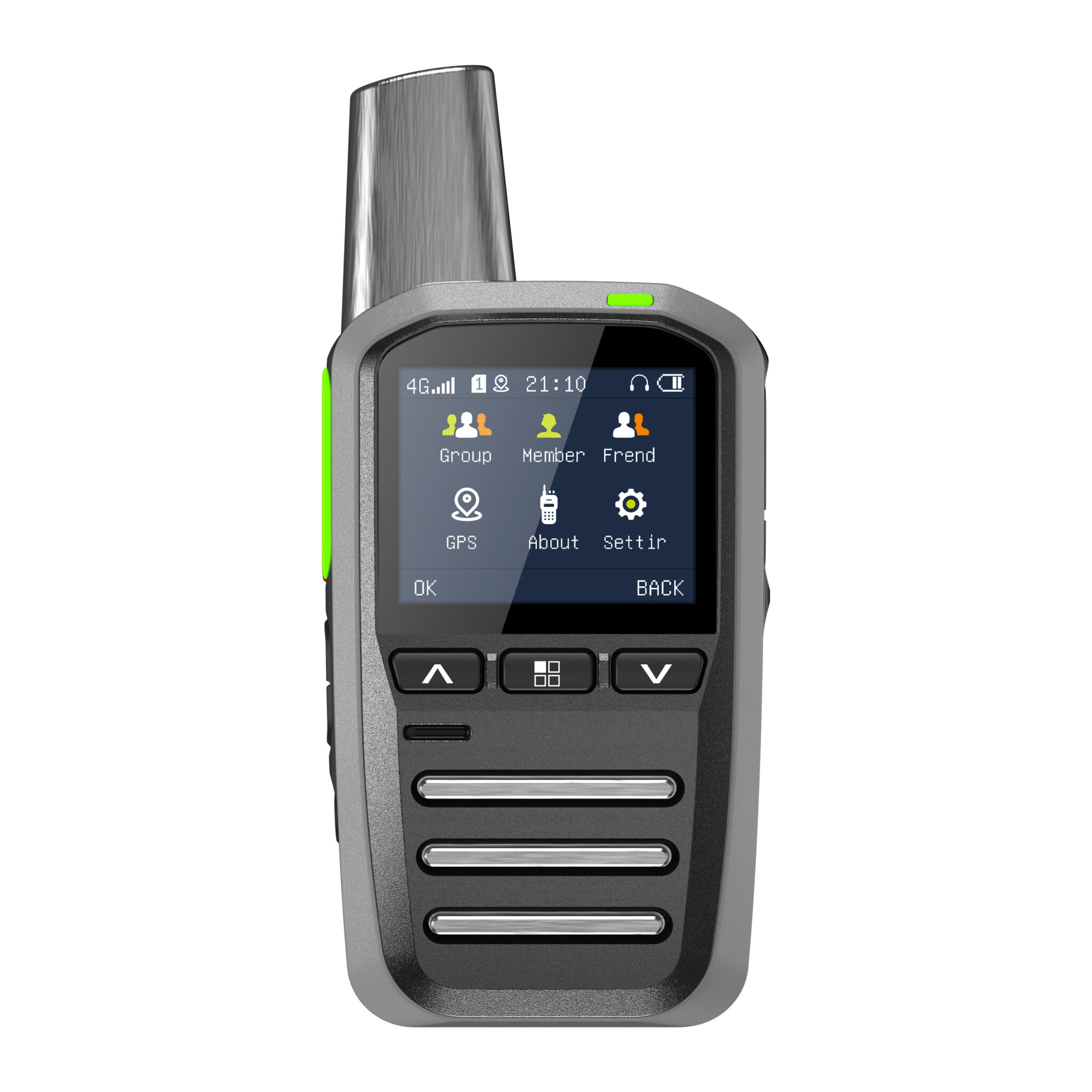
Compare straightforward options: analog VHF/UHF for long outdoor range and simplicity; digital DMR for clearer audio and spectrum efficiency; PoC (push-to-talk over cellular) for wide-area coverage where cellular is reliable. Choose analog when you need simplicity and interoperability; pick digital when channel capacity and audio clarity are essential; choose PoC for multi-site operations that don’t require private radio spectrum. Match the technology to the ranked problem list you made earlier.
Final practical route
Decide around the single biggest operational risk, verify ruggedness and serviceability, run a short field test, and confirm manufacturer documentation. Make the choice that reduces failures, not one that maximizes unused features. If you want a supplier whose specs and field focus align with these steps, consider how GLOHE presents environmental ratings, battery options, and service details as part of making comms a solved problem for teams that can’t afford surprises.