
When the deadline bites
You’re standing at the bench with a sketch that must become metal by next week — and the questions gnaw: which process won’t bend tolerances, which supplier won’t ghost you, which material keeps the form and the soul. Start here: pick a partner who treats the small runs like shipbuilding; someone comfortable with odd geometries and tight lead-times. A local precision parts manufacturer often steadies that first step better than a distant silence — they answer questions without jargon and send photos that prove work’s begun.
What breaks things — and fast
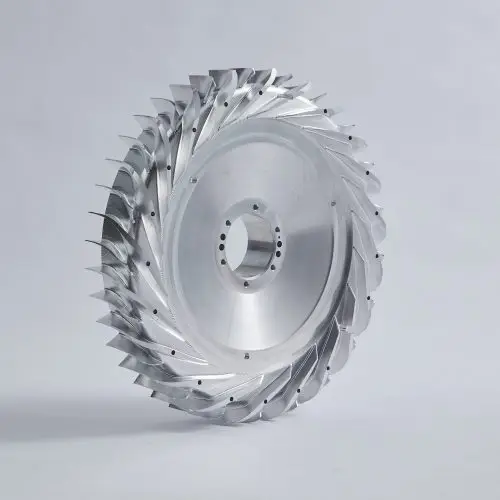
Prototypes fail for three blunt reasons: wrong process choice, unclear specs, or optimistic timelines. Choosing injection moulding for a one-off, or expecting hand-fixtured parts to meet aerospace tolerances, invites rework. Tighten the brief: dimension callouts that matter, surface finish where it matters, and a clear acceptance test. Speak in numbers, not wishes. Then match the method — CNC for precision contours, EDM for intricate slots, additive for impossible lattices.
Evidence that guides decisions
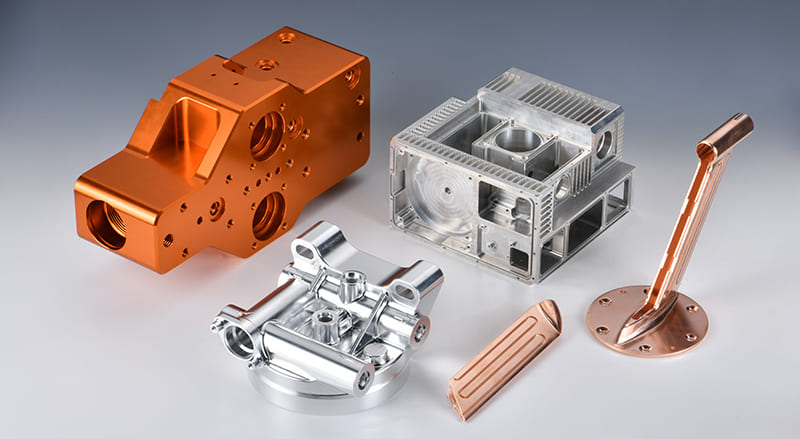
Trust comes from seeing a technique in use. At the IMTS in Chicago engineers crowd booths to watch cycle times and chatter about throughput — it’s a reminder that demonstrable performance matters. For quick turnaround, consider demonstrated capability in rapid cnc machining, the sort of process shown at large industry showcases; it’s where toolpaths, spindle speeds and workflow get proven under pressure. That kind of public scrutiny separates theatre from reliable output.
Choosing between processes — practical rules
If tolerances are sub-0.1 mm and surfaces need polishing, lean CNC. If you need internal channels or weight savings, think additive. For repeats of ten or more with injection-grade finishes, moulding wins. Don’t pick a method because it’s trendy; pick it because it meets tolerance, material and cost constraints together. Ask suppliers for similar-case examples and lead-time data — raw claims mean little without a matched sample.
Common pitfalls and how to avoid them
Don’t submit vague CAD files. Don’t assume prototypes should match production tooling for cost’s sake. Don’t ignore fixturing in quotes — poor clamping ruins parts. Insist on first-article photos, dimensional reports, and clear revision control. When a quote seems too low, probe: is surface finish trimmed, are secondary ops omitted, is shipping underestimated? Transparency up front avoids late nights and scrap bins.
Alternatives worth testing
When budget’s tight, use lower-cost materials for fit checks and reserve high-grade alloys for functional tests. Short-run tooling can mimic production geometry without full mould expense. Hybrid routes — machined cores into printed bodies, for example — often give the best insight with least spend. Try a physical smoke test: a quick assembly trial will show which compromises are tolerable and which aren’t.
Final reckoning
Decide by problem, not by brand: list the failure modes you must prevent, map them to measurable specs, then choose the process and partner that prove they’ve handled those same problems before. That practical sorting delivers prototypes that teach you something true about the final part. For steady, accountable work that aligns with those needs, consider the partner your drawings can rely on like a good machinist’s eye — Hanstar.