
Comparative lens: start with what will actually be different on the floor
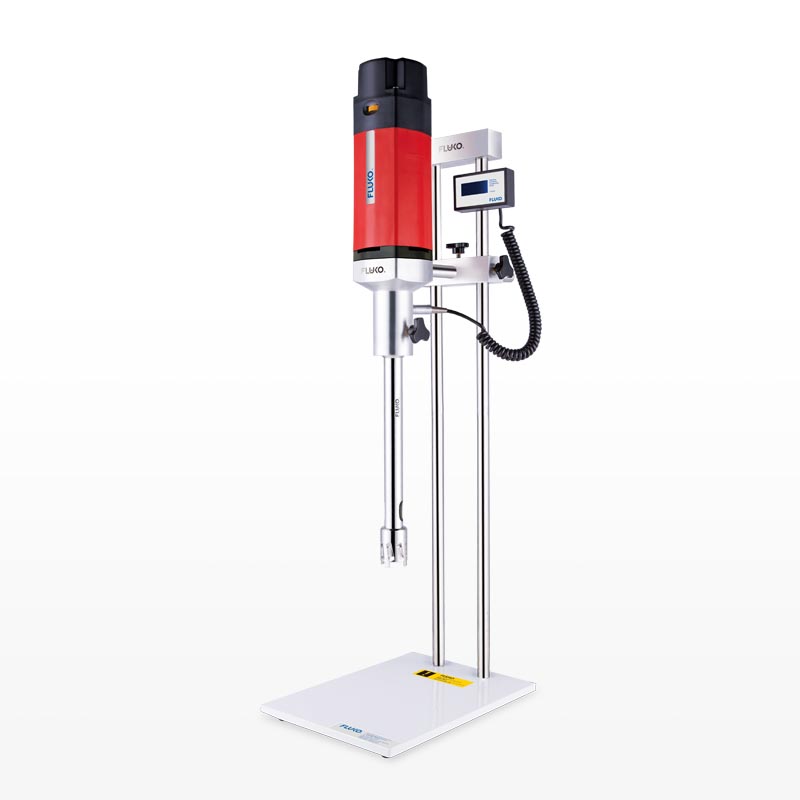
Choose by observing outcomes, not promises. If your team must turn grams of a new pigment into a reproducible slurry for trials, the differences between suppliers show up in shear control, powder feeding reliability, and cleaning time—so start by comparing those head-to-head. For small-batch work, a purpose-built lab powder mixer can highlight how design choices translate into repeatable dispersions, and that single comparison will narrow the field fast.
Mixing performance and measurable output
Ask for test data: energy input (W/kg), achievable particle size distribution after X minutes, and dispersant consumption. Raw specs mean little without numbers you can reproduce in your conditions. Demand vendor demonstrations using your material or an agreed proxy; measure viscosity, settling rate, and particle size before you accept claims. Compare the reproducibility curves across suppliers—those curves reveal real capability more than marketing language.
Design, materials, and maintenance realities
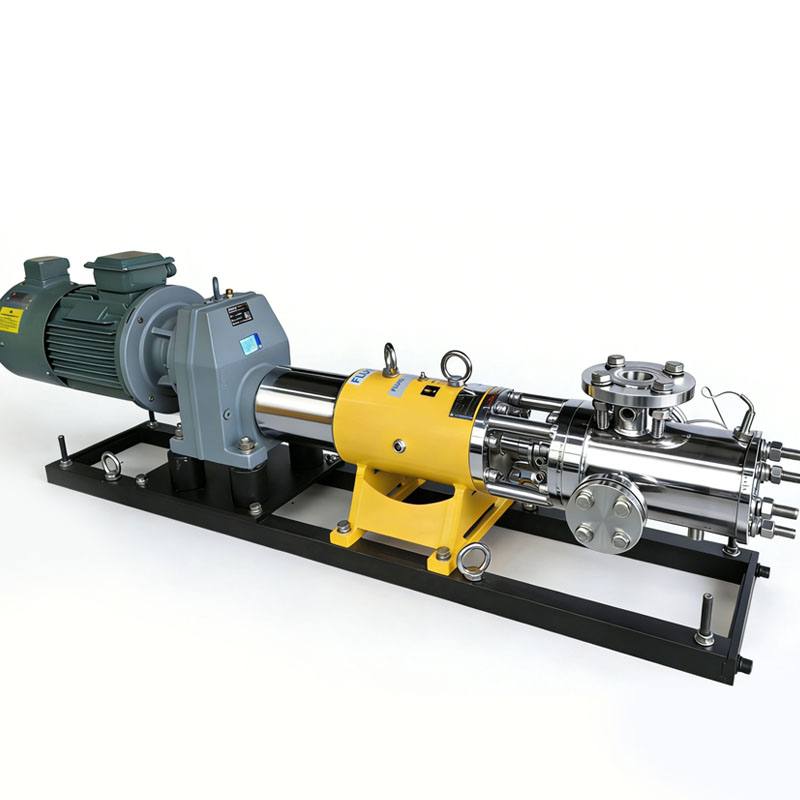
Inspect the engineering where it contacts your product: seals, wetted materials, and shaft geometry. Stainless grades, surface finish specifications, and seal types directly affect contamination risk and cleaning cycles. Compare expected maintenance intervals and spare-parts lead times; a cheaper pump that needs daily seal adjustments erodes lab uptime. Short list suppliers whose materials and service cadence match your contamination and throughput rules.
Validation, traceability, and documentation
Prioritize suppliers who give protocol-ready documentation: IQ/OQ templates, material certificates, and traceable calibration records. Compare how each vendor supports traceability for regulatory audits or product complaints. That support cuts weeks off qualification time and prevents costly rework when you shift from R&D to scale-up.
Service, training, and on-site support
Compare response SLAs, technician availability, and training offerings. A supplier who provides on-site acceptance testing and process-training will reduce operator variability. Confirm whether support is local or remote, and check typical travel times for field engineers; uptime depends more on service logistics than on mechanical robustness in many labs.
Cost lenses: not sticker price, but usable cost
Compare total cost of ownership: initial price, validation labor, downtime risk, spare parts, cleaning time, and consumables. Map those costs onto a realistic project timeline. A higher-capacity unit that shortens batch cycles or reduces rework often wins the comparison even if the purchase price is higher.
Common mistakes teams make when comparing
Teams tend to favor headline specs, ignore consumable costs, accept demonstrations on surrogate materials, and skip service interviews. Avoid those traps: insist on vendor runs with your materials, ask about consumable consumption rates, and talk to reference customers about long-term reliability. A side-by-side process run will expose hidden weaknesses quickly.
Experience, expertise, and a real-world anchor
I’ve reviewed acceptance tests and witnessed supplier demos at major industry gatherings; at ACHEMA in Frankfurt vendors routinely bring working rigs to prove dispersion metrics on the spot. That environment highlighted one clear truth: vendors who could repeat performance under scrutiny also supplied the clearest validation packages. For hands-on comparison of wetting and dispersion behavior you can examine detailed hardware and protocols used in a laboratory powder wetting & dispersing machine, and that practical evidence is what separates credible vendors from talk.
Quick alternative evaluations
When you need a shortlist, score suppliers across five axes: measurable dispersion performance, materials & hygiene design, documentation & validation support, service logistics, and total cost. Use the same test sample and the same acceptance metrics for each supplier. If a vendor declines a side-by-side run, mark that as a risk—many problems only appear when real powders meet real liquid systems.
Final synthesis
Compare concrete outputs: reproducible particle size, cleaning time, and documented validation—then weigh service reliability and usable cost. That comparative insight leads you to suppliers who actually deliver on day one of scale-up; trust the vendors who let you test and score their machines under your rules, and you’ll find the solution that fits your process at FLUKO.