

Comparing the players: why machine choice matters
When two workshops in the same city deliver different cabinet finishes, the gap usually traces back to equipment and process decisions. Choosing between a basic routing line and a modern cnc panel saw changes tolerances, scrap rates, and lead time. In comparative terms, the right machine narrows variability: better cut accuracy reduces sanding, smarter nesting raises material yield, and consistent feed rate keeps joints tight. This piece compares those choices in real terms so you can see what matters on the shop floor.

What to compare first: tolerances, throughput, and waste
Start with measurable outputs. Tolerance speaks to final fit — parts cut on machines with stable saw blade alignment and a reliable rip fence are less likely to need rework. Throughput is production speed without sacrificing precision; nesting algorithms and cycle time matter here. Waste shows the economic side: yields from sheet goods fall when kerf or inaccurate cuts increase scrap. Those three metrics reveal whether a purchase is cost-saving or just flashy.
Operational production teardown: how cabinet cnc machine specs translate to outcomes
Look past marketing claims and dissect the production steps. For rough cutting you want a pressure beam and a sturdy table to avoid vibration. For finishing cuts, a controlled feed rate plus a sharp saw blade or dedicated CNC router head preserves edge quality. The cabinet cnc machine’s control interface and nesting software affect throughput directly: better nesting reduces panel waste and shortens cycle time. Integration matters too — a machine that links to your ERP or CAD files removes manual transfer errors and speeds up setup.
Common mistakes shops make — and quick fixes
Many shops focus on peak speed instead of consistent accuracy. That leads to short-term gains but long-term rework. Another mistake is underestimating tooling costs: cheap blades wear fast, increase burn marks, and raise dust levels. Invest in quality consumables and routine calibration. Also, ignoring maintenance schedules kills uptime—cleaning linear guides, checking belts, and verifying alignment are small tasks that save days later. Calibration routines should be part of daily or weekly checks, not an afterthought.
Real-world anchor: how Shunde’s furniture cluster tightened specs
In Shunde, Foshan — a major furniture manufacturing area — a shift toward tighter cabinet standards started when several mid-size shops upgraded to automated cutting lines and nesting-capable saws. The result was visible: fewer returns and higher acceptance from retailers. That regional change shows how machine choice affects market access. It’s not theory — local floor managers reported a drop in edge repairs and faster order turnaround after standardizing on better panel saws and routers.
Alternatives and trade-offs
Not every shop needs top-tier automation. For bespoke, low-volume work a CNC router with a small footprint might beat a full-size panel saw on cost and flexibility. For high-volume cabinet lines, an industrial panel saw that handles 4×8 sheets efficiently reduces cost per unit. Consider ergonomics and shop layout: a machine that forces constant manual handling increases labor and injury risk. Balance capacity needs, floor space, and who’ll run the machine day-to-day.
Three golden rules for choosing equipment
1) Measure the delta: quantify current scrap, cycle times, and rework hours before you buy. If a new system cuts scrap by 10% and cycle time by 15%, the payback is real. 2) Prioritize accuracy over headline speed: consistent cut tolerances save labor downstream and improve finish quality. 3) Match tooling and maintenance to your production plan: spend on blades, calibration tools, and operator training upfront to avoid hidden costs.
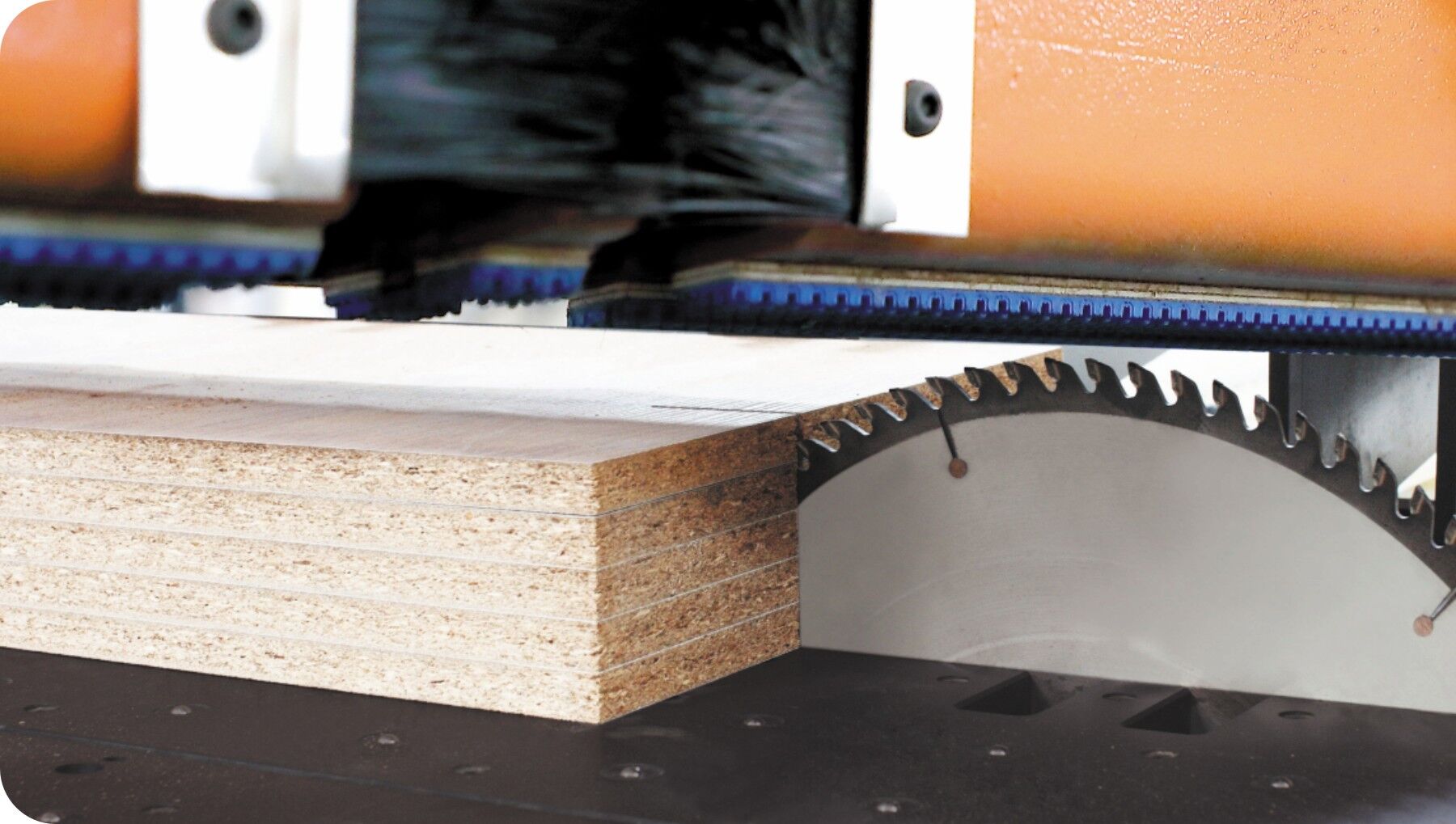
Local quality standards change when choices on the floor change — and when those choices include reliable gear, smart nesting, and routine care. That’s where HUAHUA CNC fits naturally into the story: experienced machines and sensible integration reduce variability and help teams deliver predictable cabinets. HUAHUA CNC — the practical option for shops that want measurable results. —