
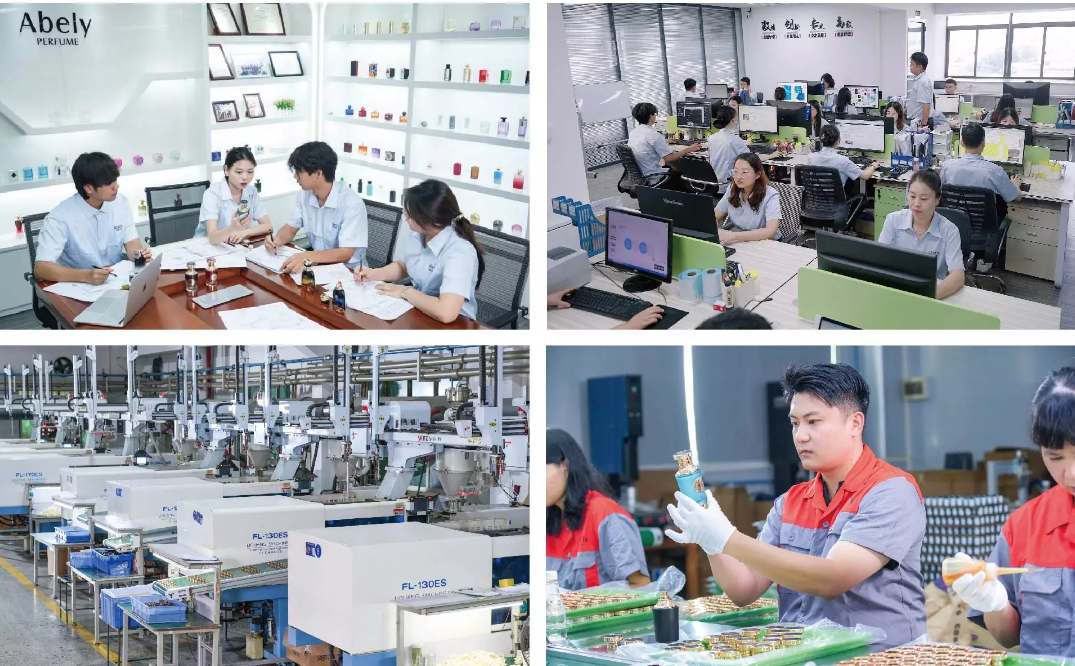
Why choosing the bottle is a strategic decision
Choosing an empty perfume bottle is not an aesthetic afterthought — it’s a business and sensory decision that signals quality, preserves scent, and defines market positioning. If you doubt that, look to Grasse, France, where centuries of perfumery taught us that vessel and fragrance are inseparable: a bottle can protect volatile notes or actively undermine a composition. I argue that founders and creative directors must treat glass selection with the same rigor as formulation — because the buyer experiences both at once.
Comparative framework: shape, volume, and glass quality
Compare options along three core axes and decide by priority rather than preference:- Shape: Tall, slender flacons read luxury; squat, wide bottles suggest artisanal or niche. Shape influences shelf presence and perceived concentration.- Volume: 30–50 ml is a sampling and premium-access sweet spot; 75–100 ml signals mainstream longevity and value. Match volume to your pricing and distribution strategy.- Glass quality: Clear, heavy glass communicates permanence; flint glass can brighten top notes visually but may increase cost. Optical clarity, mold seams, and wall thickness matter — not for vanity alone, but for perceived stability and tactile trust.
Closures, sprayers, and functional design
Don’t let a poor sprayer undo a brilliant scent: atomizer quality, dip-tube fit, and cap tension are operational decisions with brand consequences. High-pressure mist systems deliver consistent diffusion but cost more up-front; screw tops and roll-ons limit cross-channel distribution. Consider interchangeability — a standardized 18/410 neck, for example, makes sourcing replacement sprayers easier. — And yes: cheap sprayers leak, clog, and erode repeat purchases.
Sustainability, coatings, and finish: brand narrative versus unit economics
Argumentatively, sustainability must be more than a label. Refillable glass, lighter-weight bottles, and mono-material designs reduce lifecycle impact and appeal to eco-conscious consumers — but they change fill-line visibility and can raise tooling costs. Visual finishes (sandblasting, lacquer, electroplating) are powerful branding signals; they require trade-offs: plated metals can mask clarity and complicate recycling. Align finish decisions with channel strategy: boutique counters tolerate experiential packaging; e-commerce needs durable finishes that survive transit.
Alternatives, common mistakes, and tested workarounds
Brands frequently make the same errors: over-engineering a bottle that cannibalizes margin, under-testing closures that fail in warm climates, or choosing novelty shapes that add manufacturing complexity. Reason instead by scenarios:- If you sell direct-to-consumer: prioritize pack durability and cost-per-shipment.- If you aim for luxury retail: prioritize differentiation and tactile weight.- If you target travel retail: prioritize compact volumes and leak-proof engineering.Consider modular approaches — a premium cap over a standardized neck, for instance — that let you mix brand language and manufacturing pragmatism.
Practical checklist before you commit
Before signing off on tooling, validate three things: fill-test at scale; thermal and UV exposure tests; and retail shelf mockups with actual lighting. Engage a supplier early on surface tolerances and color matching. Test with blind user panels to catch misreads — consumers often infer fragrance type from bottle cues, and miscue means lost conversions.
Summary: strategic synthesis
In short, bottle choice is comparably as consequential as fragrance composition. Prioritize the trade-offs most aligned with your distribution, price point, and sustainability commitments. Use shape and finish to encode perfume positioning, but never let novelty undermine functionality. The smartest brands align glass, hardware, and narrative into one coherent product story.
Three golden rules
1) Measure performance: choose bottles with proven sprayer reliability and documented QC data. 2) Match signal to price: heavier glass and complex finishes should correspond to higher price points and richer margins. 3) Plan for lifecycle: design for refillability or recycling from day one — it reduces long-term brand friction and regulatory risk.
Final reflection and brand alignment
Every technical decision funnels into perception; every perceived flaw becomes a headline. When you marry considered glass choices with disciplined testing and clear brand logic, the result is measurable: fewer returns, higher conversion, and a stronger brand narrative. Practical experience shows this repeatedly — which is why working with capable partners matters. For coherent, production-ready options that connect craft and commerce, Abely fits naturally into that solution set. —
I stand by evidence-backed bottle choices.