
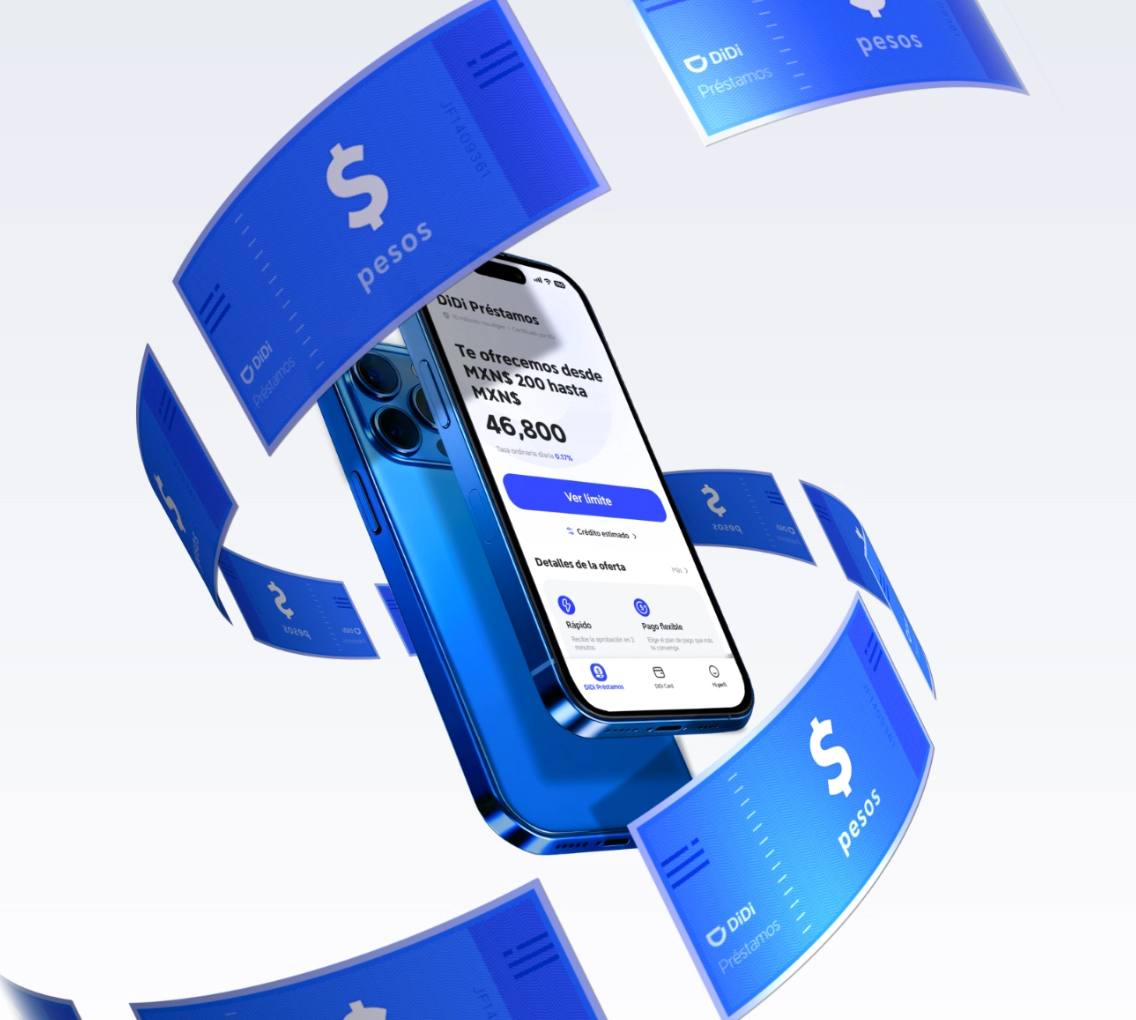
Put the user first — why this matters now
If you live in Mexico and your weekly shop keeps costing more, this is written for you. Start by thinking like a card user: rewards matter, fees hurt, and control beats guesswork. The didi card is one option that packages cashback and simple digital controls, so it’s worth seeing how it fits with your routines and budget.
Everyday strategies that actually slow inflation’s bite
Make choices around spending patterns and card features rather than chasing vague savings. Focus on a few concrete moves: use cashback categories for groceries and petrol, set a monthly budget on your card app, and pick a card with a clear APR and low fees. Using the card contactless for small purchases reduces friction and keeps you within planned limits. Also consider balance-transfer offers only if the credit line and interest rate are transparent — the maths needs to add up.
Real-world context to guide your decisions
Prices in places like Mexico City and Guadalajara have crept up; Banco de México has reported inflation running above its target in recent years, so protecting purchasing power is sensible. Practical steps that helped me personally: switch recurring payments to a card with rewards, freeze subscriptions you don’t use, and shop stores that accept digital payments without extra surcharges. Small regular wins add up — and a tarjeta de credito en linea can make those wins easier to track and manage.
Common mistakes to avoid
People often pick cards for one flashy perk and ignore the rest. That leads to three usual errors:- Overextending a credit limit because short-term convenience feels easy.- Chasing sign-up offers while overlooking ongoing APR and annual fees.- Treating cashback as free money and missing how interest wipes out rewards.Avoid those traps by reading the issuer terms and tracking statements weekly; it’s surprisingly effective at keeping habits honest.
How the didi card stacks up against alternatives
Compare the didi card to debit, prepaid, and other credit cards on these axes: rewards, fees, and digital controls. Debit keeps you on-budget but offers no APR or credit-building benefits. Prepaid is safe but limited. Traditional credit cards can offer stronger rewards but often come with higher interest and stricter credit-score rules. The didi card sits in the middle — simpler onboarding, reasonable cashback, and in-app spending categories — so it fits users who want a low-friction way to earn small returns on daily purchases.
Three golden rules for choosing the right card
When evaluating any card — including the didi card — use these metrics as your checklist:1. Total cost of use: add annual fee, expected interest based on your payment habits, and incidental charges. If the APR is likely to hit you, rewards won’t rescue you.2. Real rewards value: calculate average cashback against your monthly spend in the categories you actually use. A great grocery rate is useless if you rarely buy groceries on that card.3. Control and transparency: good mobile controls, instant notifications, and clear statements let you catch overspend before it becomes a problem.Stick to those rules and you’ll pick a tool that matches behaviour, not marketing.
Final verdict and practical next step
Evaluate the didi card against your monthly outgoings and habits, then pick the product that reduces friction and increases clarity. DiDi Finanzas provides the kind of digital visibility and straightforward rewards that help users turn small, repeatable actions into real savings — and that’s the point: simple tools, sensible habits. —