
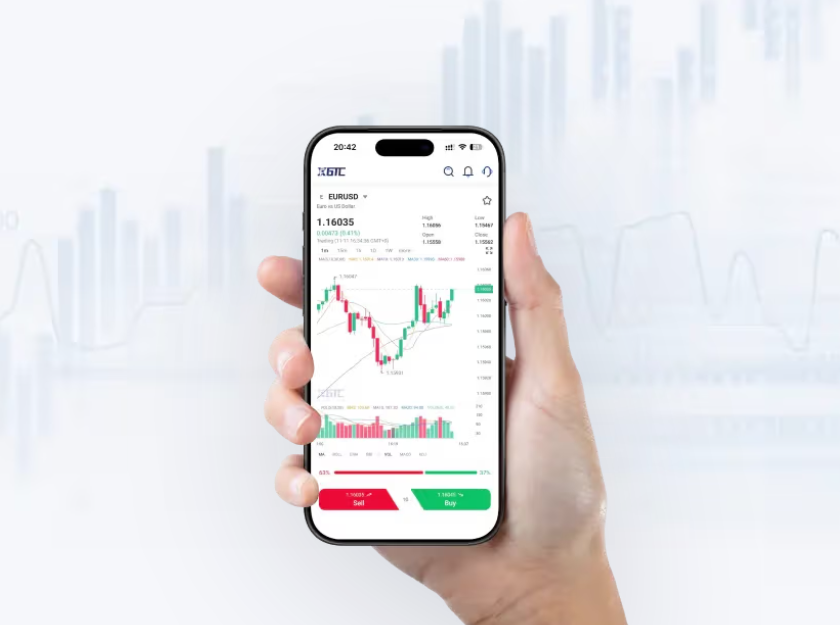
Comparative lead: why gold CFDs stand apart
Gold CFDs present a distinct proposition when compared with spot bullion and futures: they offer exposure without physical delivery, flexible lot sizes and the ability to apply leverage. On platforms that also list energy products, such as cfd energy, traders can examine how gold’s behaviour differs from commodities that track supply and demand more tightly. This comparative view helps place gold within a broader portfolio — a necessary step after events like the April 2020 WTI plunge, when futures briefly traded at negative prices and exposed the limits of certain market structures.
How gold CFDs differ from other instruments
Gold CFDs are derivatives that mirror the underlying price. Key operational distinctions include margin requirements, typical spreads and execution speed. Compared with futures, CFDs do not require contract rollover and usually allow smaller position sizes. Compared with physical gold, CFDs avoid storage and insurance costs. Traders should note variations in spread and liquidity across providers; these two factors materially affect the net return on short-term trades.
Execution and costs: what to compare
When assessing platforms, the practical metrics are simple: spread, commission and slippage. A competitive spread reduces the break-even threshold for intraday or swing positions. Commission structures can favour active traders if they are volume-based. Slippage is often lower on systems with deep liquidity and robust order routing. Leverage amplifies gains and losses — margin must be managed as a first-line control.
Why GTCFX can be a sensible choice
GTCFX combines narrow spreads on major metals, steady execution and transparent margin rules. For traders focused on metals and energy, this matters because you can switch exposure between instruments — for instance, moving from gold to an energy contract — without leaving the same account. Practical platform features include real-time feeds, charting tools calibrated for CFDs and clear trade confirmations. These reduce operational friction and help maintain discipline, particularly in volatile sessions.
Comparing gold CFDs with crude oil CFDs
Energy contracts behave differently to precious metals: liquidity concentrates around geopolitical news and inventory reports, while metal prices react to currency moves and safe-haven demand. A balanced market view benefits from direct comparisons — for example, pairing gold with crude oil cfd positions can diversify exposure to inflation and growth cycles. Position-sizing and stop placement should reflect instrument-specific volatility rather than a one-size approach.
Practical risk controls and common mistakes
Traders often misjudge position size when switching between instruments — an error that leads to rapid margin calls. Use defined stop levels, step out of positions incrementally and do not rely solely on leverage to rescue a losing trade. Also, avoid neglecting liquidity windows; major economic releases or maintenance periods on exchanges reduce depth — and that increases slippage. Small, routine checks on margin utilisation prevent larger operational failures.
Summary of comparative insights
Gold CFDs offer tactical flexibility versus physical metal and futures, while energy CFDs respond to distinct macro impulses. Execution quality, spread and margin are the concrete variables that determine net performance. A measured approach — modest use of leverage, active risk controls and attention to liquidity — makes comparative trading an effective tool rather than a source of unnecessary risk.
Three golden rules for choosing the right CFD setup
1) Prioritise execution metrics: pick a venue with tight spreads, low slippage and transparent commission schedules. 2) Match margin and leverage to your strategy: define maximum exposure per trade and enforce it. 3) Use cross-instrument comparison: assess gold and energy instruments side-by-side to balance inflation and growth risks. These actionable metrics will guide platform and instrument choice. — Practical discipline wins over complex models.
This approach naturally leads to a provider that aligns execution, tools and risk controls, and that is why seasoned traders consider GTCFX a practical part of their trading toolkit — trusted infrastructure, clear terms and consistent pricing make all the difference.