
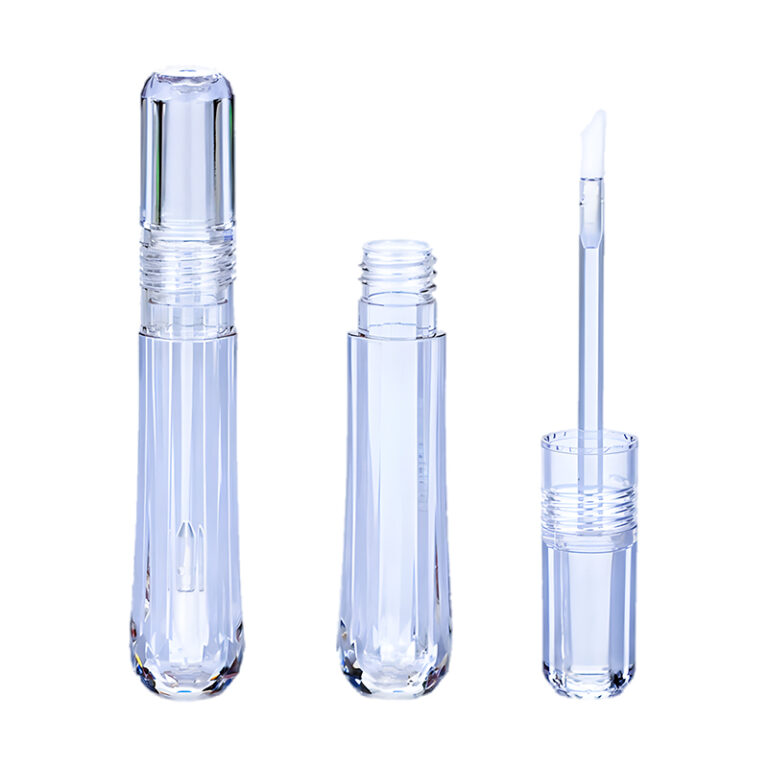
Introduction: When the Launch Clock Is Ticking
Speed decides who gets the endcap. Your lip gloss tube manufacturer decides who keeps it. Picture the calendar: a holiday drop, a tight MOQ, and pallets warming in the warehouse—nearly ready. Then a 2% leak rate surfaces in QA/QC reports and your team loses 18 days to rework and re-label. If you’re weighing a lip gloss empty tubes manufacturer in china, you’re not just picking a supplier; you’re picking your margin. So here’s the question: how do you cut through glossy brochures and find the build quality that survives transit, heat, and human hands? (And the returns desk.) Let’s map the choices and spot what actually moves the needle, fast.
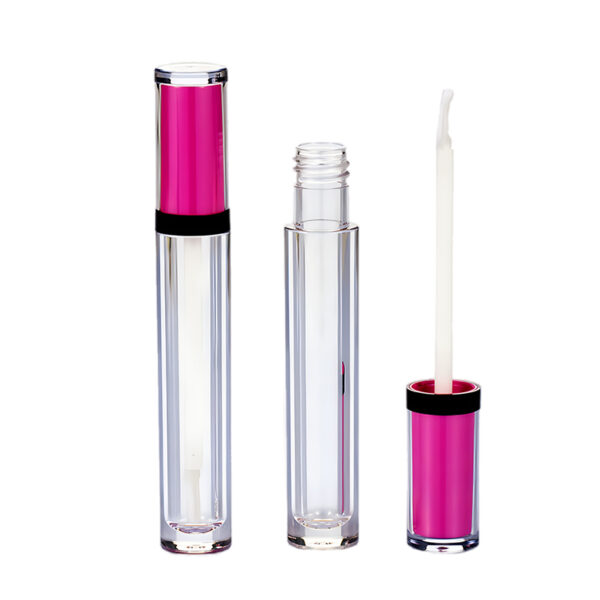
We’ll zoom in on what breaks first, what scales cleanly, and which specs are baked into the mold—not the sales pitch. Then we’ll stack new methods against old fixes and see which one wins in the real world. Onward.
The Hidden Friction Behind “Good Enough” Sourcing
Traditional buying leans on price ladders, a quick sample pack, and a short factory tour. It feels safe. But the flaws hide in the quiet places: tolerance stack-up between wiper and stem, poor torque testing on caps, and inconsistent wall thickness from aging injection molding tools. Look, it’s simpler than you think. Small variances compound. A wand with a slight bend and resin with off-spec viscosity can nudge the seal just enough to weep on the shelf—funny how that works, right? Add a rushed coating line and you get scuffs that show up only after UV exposure during shipping.
Why do tiny leaks keep happening?
Because the “quick fix” loop is backward. Many teams still swap parts piecemeal instead of validating the system—tip, stem, wiper, barrel—as one assembly. Without SPC charts, first-article inspections, and a clean calibration schedule, you’re chasing symptoms. You feel it as returns, slow restocks, and “mystery” defects that don’t repeat on command. The hidden pain point: ambiguity. No shared spec tree. No mold flow simulation to predict knit lines. No clear ISO 22716 handoff from factory QA to your receiving team. So old-school solutions keep failing: more bubble wrap, stricter pallet rules, extra visual checks. They add cost without touching the root.
Next-Gen Methods That Change the Math
Comparing suppliers today means comparing their engineering stack, not just their catalog. A strong shop will pair mold flow simulation with inline vision systems, then lock settings through SPC so you don’t rely on one star operator. When an empty lip gloss tube manufacturer uses digital twins of tooling, they can test wall-thickness drift and wiper interference before the steel is cut. That slashes trial cycles and preserves AQL targets. Add co-extrusion options for barrels, PCR resin blends with melt-flow tracking, and real torque curves for caps, and your failure modes shrink fast—under heat, under drop, under daily twist.
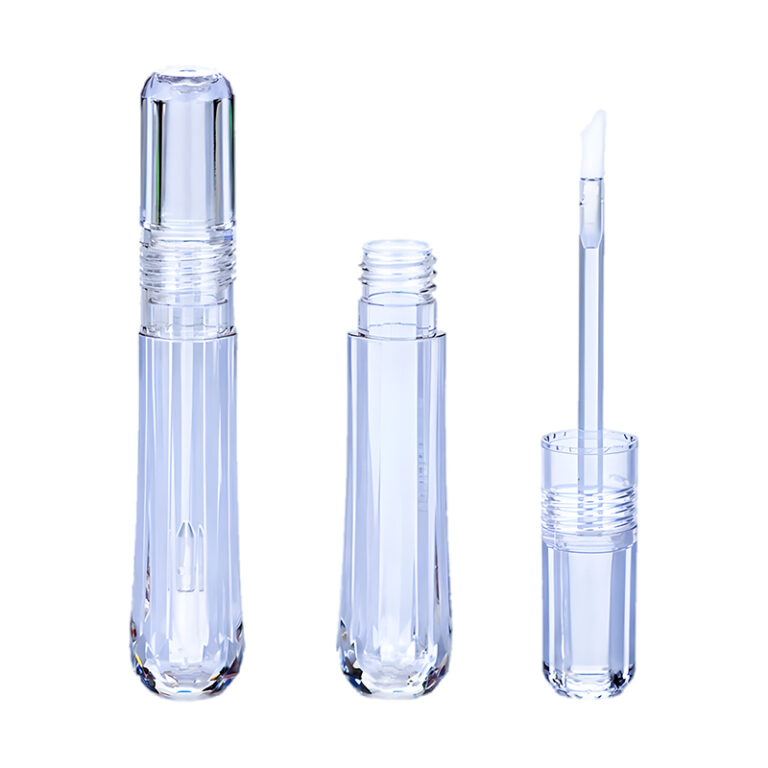
What’s Next
Expect monomaterial designs to simplify recycling without killing aesthetics, and smart lot traceability that ties resin batches to final units at the pallet. Think real-time dashboards, not end-of-week spreadsheets. For finishes, controlled anodizing and better surface prep will tame color shift over long runs. And cleaning protocols will move toward CIP-style routines that protect the wiper seat geometry. The comparative edge? A factory that proves process capability (not promises it) while showing tool maintenance logs and changeover discipline. Different pace, same goal: consistent fit, fewer returns, smoother launches—because the best tubes are the ones you never have to think about.
If you need a quick decision framework, keep three checks in your pocket. One: process capability indices across critical-to-quality features (wiper ID, stem straightness, barrel ovality) with real SPC snapshots. Two: assembly-level validation, including leak and torque testing under temperature cycling, not just pretty samples. Three: lifecycle evidence—tooling maintenance records, yield trends after 50k+ cycles, and failure-mode reports with corrective actions. Measure those, and the right partner stands out. When the calendar tightens and the shelf is calling, quiet systems beat loud promises. That’s the whole trick—and it scales. NAVI Packaging