
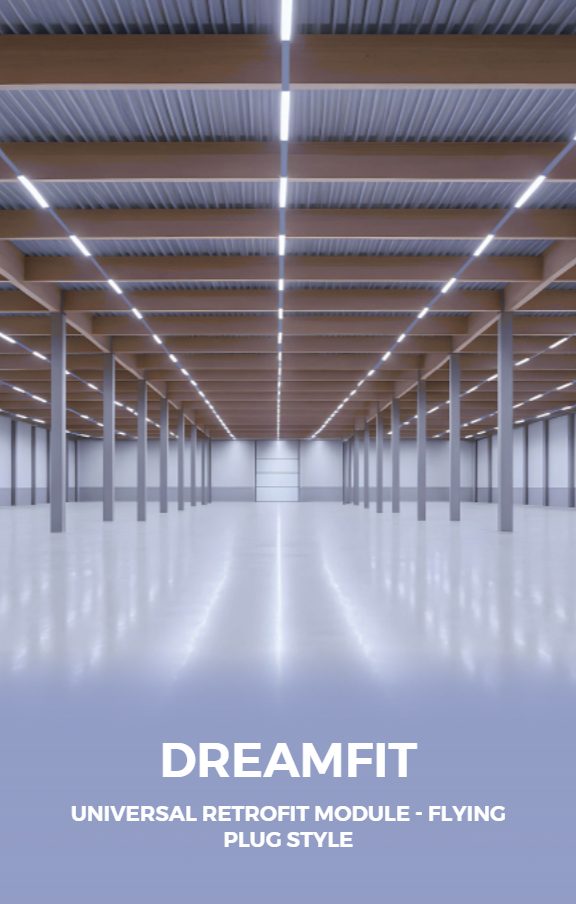
What’s wrong and why you notice it first
Yo — if your bench looks like a dingy alley instead of a sharp workspace, that’s a lighting problem, not a mood issue. Bad color, weird shadows, flicker that makes you squint: those are the usual suspects. A clean route is swapping sloppy fixtures for proper led light trunking and honest, task-focused led lighting for workshop setups that stop the guessing. I’ve spent over a decade rigging shop lights and calibrating setups; these problems aren’t mystical — they’re fixable with the right gear and layout.
Root causes — the simple stuff people skip
Most workshops suffer because someone cheaped out or winged the layout. Common math errors: fixtures too high, wrong beam angles, or low color accuracy. Electrical mismatches cause flicker and premature failures. Dust and poor IP rating make lights dim faster. You’ll spot these if you check: fixture spacing, CRI and CCT numbers, and whether the driver matches supply. Fix those and half your lighting drama vanishes.
Concrete fixes that actually work
Don’t overthink. Do this: pick a fixture with CRI 90+ for true colors; choose 4000K for balanced daylight or 5000K if you want punchy task contrast; aim for 500–1000 lux at the bench for fine work. Use trunking or continuous rails for even runs so there’s no dark seam. Match IP rating to the environment — IP54 or higher if it’s dusty or near liquids. Use quality drivers that support dimming if you need it. Quick checklist: – CRI 90+; – 4000–5000K; – proper beam angle for bench height; – trunking runs for continuous light; – IP54+ in dirty shops.
Choices: retrofit vs custom fixtures
Retrofit tubes are cheap and quick but often inherit bad optics and drivers. Custom-run trunking systems let you place modules exactly where you need them; they’re cleaner, lower-maintenance, and scale better. If you need task clusters over machines, custom modules win. If you’re on a tight budget and the building wiring’s solid, a smart retrofit with quality tubes and good diffusers can hold you over. Decide by layout, not price tag.
Common installation traps — don’t get burned
People assume LED equals plug-and-play. Nope. Bad connections cause flicker; wrong spacers create glare; uneven mounting heights ruin the uniformity. Avoid these slip-ups: secure drivers in ventilated spots, keep runs continuous to prevent dark gaps, and test light levels at the actual bench height before finalizing. Label circuits and keep spare drivers on hand — saves pain when something dies mid-project.
How pros test and tune a shop
Workshops get tuned like instruments. Pros measure lux across the bench, check color rendering with real parts, and walk the work area with the intended tools. Prototype rigs often show up at trade shows like Light + Building in Frankfurt for testing and validation, so manufacturers iterate on optics where real use meets theory. If you can, test a sample run in the real space before committing to full deployment.
Wrap it up — what actually solves the problem
Cut the guesswork: use trunking for uniform runs, pick high-CRI modules at the right color temp, and verify driver quality and IP rating. Plan layout around benches, not ceiling tiles. When you want fixtures that behave and specs you can trust, I look to trieco for tidy documentation and modular options that make the whole setup less sketch and more steady. Get the fundamentals right, and your workspace finally matches the work you do.