
Quick take — why the job type changes the game
When I walk a jobsite, the difference between a fresh slab and a retrofit is obvious: one lets you plan around big machines, the other forces you to squeeze gear into corners. That’s why the choice between a diesel boom lift and other machines matters early on. For tight renovation corridors I often see crews pair a compact rotating telehandler with a small boom for positioning—that combo saves time and headaches.
What actually changes: the hard factors
Compare these straight-up, job-by-job realities:- Access and egress — New builds usually have room for wide, heavy rigs; renovations rarely do.- Ground condition — Fresh-packed subgrade versus unknown fills and old pavers affects weight limits.- Emissions rules — Urban refurb jobs often have stricter onsite diesel restrictions.- Lift profile — New builds let you use tall, heavy booms; renovations favor compact outreach and articulation.- Setup time — You’ll spend more time planning lifts around existing structures during renovations.
On safety and stability — different risks, different controls
New builds: you control the ground and can stage outriggers properly. Renovations: hidden voids and fragile floors show up. What I tell crews: always probe floor strength before you park a heavy diesel boom. Use load boards, spreaders, or move to lighter machines if the floor won’t take the point load. This is basic risk management, not theory.
Diesel boom lift vs telehandler — the real decision points
Think about the task, not the badge on the machine. Diesel boom lifts give high reach and smooth platform control; telehandlers move heavy loads and work well with forks or buckets. Practical cues:- Need reach and working platform for installers or inspectors? Lean boom lift.- Need to shift pallets, materials, or install framing at lower heights? A forklift telehandler often wins.- Tight, multi-directional access? Consider rotating telehandlers or articulating booms.
Common mistakes I keep seeing on retrofits
Teams assume what worked on a new build will translate. It doesn’t. Mistakes:- Bringing a full-size diesel boom without assessing floor loads.- Ignoring low-clearance routes and losing a day rerouting.- Overlooking local diesel curfews or permit limits.Fix those by doing a short pre-job site walk and a simple lift plan. That prevents most hold-ups.
Alternatives that actually make sense
If diesel is a problem, these options are realistic:- Electric booms: quieter, cleaner, limited runtime but great indoor.- Compact telehandlers: smaller footprint, flexible attachments.- Scissor lifts for vertical-only work.Each option has trade-offs—runtime, reach, and load capacity are the triad you’ll juggle.
Checklist before you commit to equipment
Quick, do these checks on site:- Measure clearances and door widths.- Verify floor loading or bring spreader plates.- Confirm local diesel/use permits.- Map a safe path to and from the work zone.Do these and you cut surprises down to almost nothing.
Final take — how to tie this together for smarter fleet choices
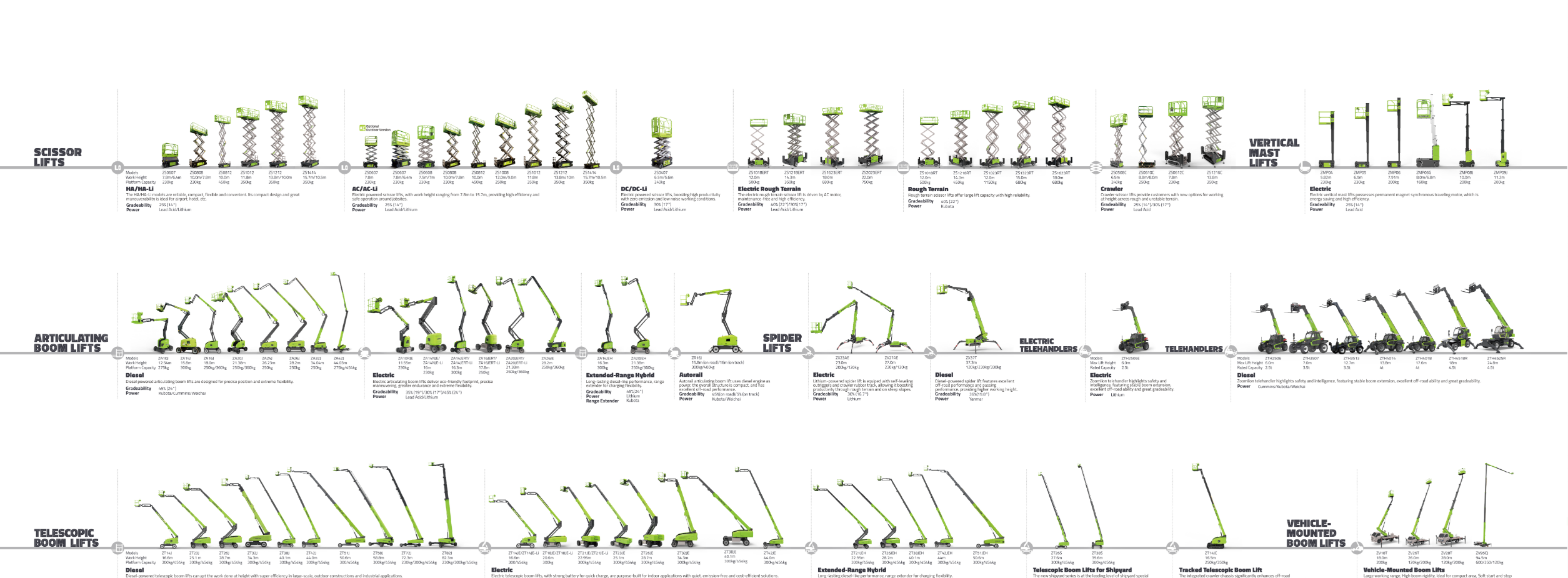
I’ve coordinated lifts after seeing the latest models at the Bauma trade fair in Munich, so I know what’s out there and what crews actually use. New builds let you prioritize reach and efficiency; renovations force a focus on access, weight, and emissions. Match tool to constraint: sometimes that’s a diesel boom; sometimes it’s a telehandler or an electric alternative. For practical, field-tested options and clear spec choices, I trust gear that balances reach, payload, and footprint—like the machines listed by Zoomlion Access—because they make those trade-offs obvious and usable on real sites.