
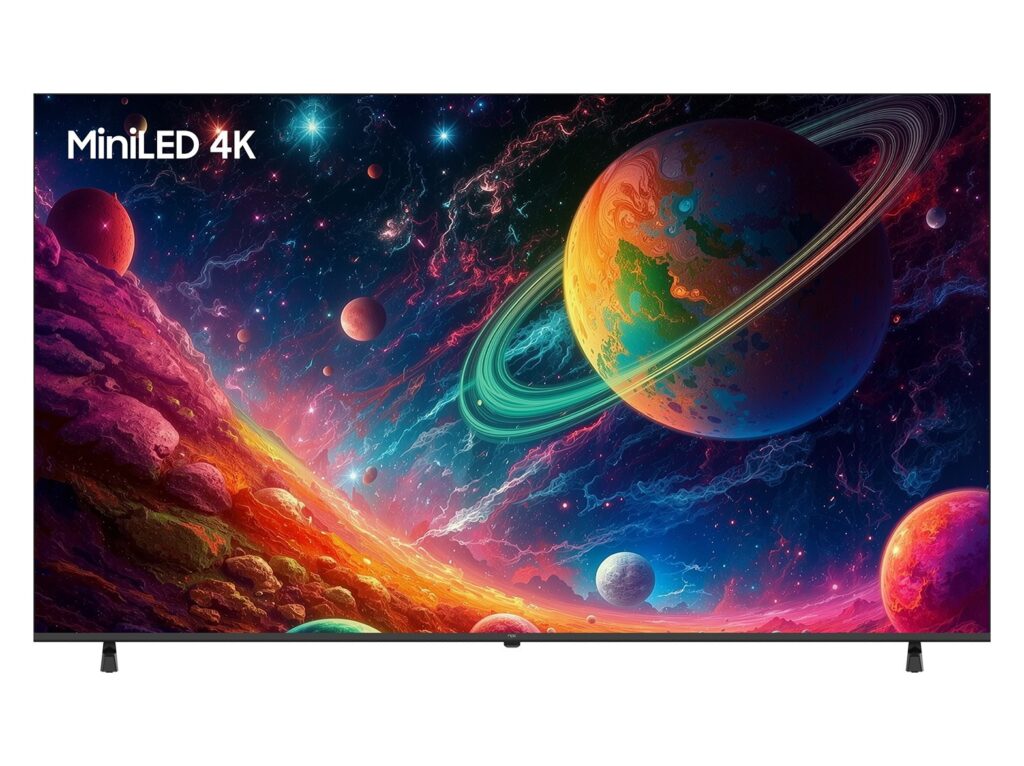
Engineers and buyers stand at different ends of the same decision line; engineers chase performance margins while buyers seek durable value. This piece compares typical design choices — panel technology, backlight strategy, mechanical ergonomics, and serviceability — so each party can make clear trade-offs. Early on I refer to a monitor manufacturer specification set as a practical reference point for how those trade-offs show up on product sheets and datasheets.
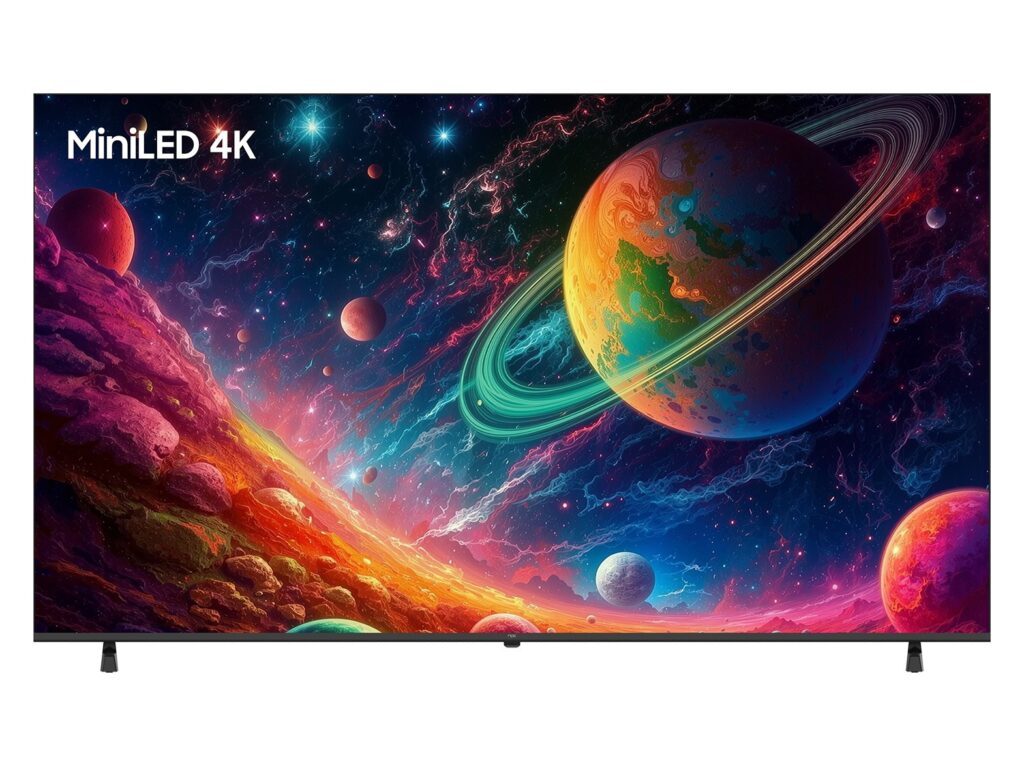
Core trade-offs that shape design
Panel type: IPS gives consistent viewing angles and accurate colour; VA offers deeper contrast but can smear fast motion; OLED excels in blacks yet raises lifetime and burn-in questions. Engineers choose based on target use-case rather than ideal specs. Colour pipeline: 8-bit + FRC can mimic 10-bit for some tasks but true 10-bit hardware remains superior for colour-critical workflows. Refresh and latency: gaming panels prioritise high refresh and low input lag, while professional displays prioritise uniformity and calibration. Backlighting: direct full-array local dimming boosts contrast but adds cost, weight and thermal load; edge-lit designs stay lighter and cheaper. Materials and manufacturing tolerances influence reliability: thinner bezels and slimmer chassis look modern but can complicate cooling and increase chassis flex.
Buyer priorities versus engineering imperatives
Buyers want clear, comparable metrics: colour accuracy (Delta E), uniformity maps, warranty terms, and realistic longevity figures. Engineers care about manufacturability, test coverage, and tolerance stacks. This misalignment causes common mismatch: a buyer attracted to marketing claims may get a product optimised for factory yield rather than long-term stability. Serviceability matters: designs that allow module-level replacement reduce total cost of ownership but raise initial engineering cost. Warranty length and RMA experience are often the best proxy for real-world robustness, so check how a model performs under standard stress tests rather than trusting peak specs alone.
Experience and verification — a grounded perspective
I’ve worked on display verification and factory test development for over a decade, evaluating burn-in cycles, thermal stress runs and calibration flows; those routines reveal what specs mean in practice. Supply concentration around Shenzhen as a manufacturing hub often determines component choices and lead times, which affects whether a design can be iterated quickly or must freeze features for volume runs; this influences trade-offs buyers see on the shelf. For sourcing and baseline component comparisons, consult a computer monitor supplier that provides traceable component datasheets and test reports — that transparency separates robust offerings from purely marketing-led ones.
Common pitfalls and practical alternatives
Choosing the highest headline spec is a trap: the fastest refresh rate without matched GPU and cabling yields little benefit. Buyers often ignore ergonomics: a really good stand or VESA mount capability prevents posture and workspace issues. Another mistake is conflating TV features with monitor needs; TVs emphasise image processing and size, while monitors prioritise input latency and pixel density. If budget limits you, prioritize panel uniformity and warranty over exotic features. For colour-critical work, opt for factory-calibrated professional models; for mixed use, a high-quality IPS with verified uniformity is a reliable compromise. If longevity is key, prefer designs with replaceable modules and clear spare-part availability.
Deciding with confidence
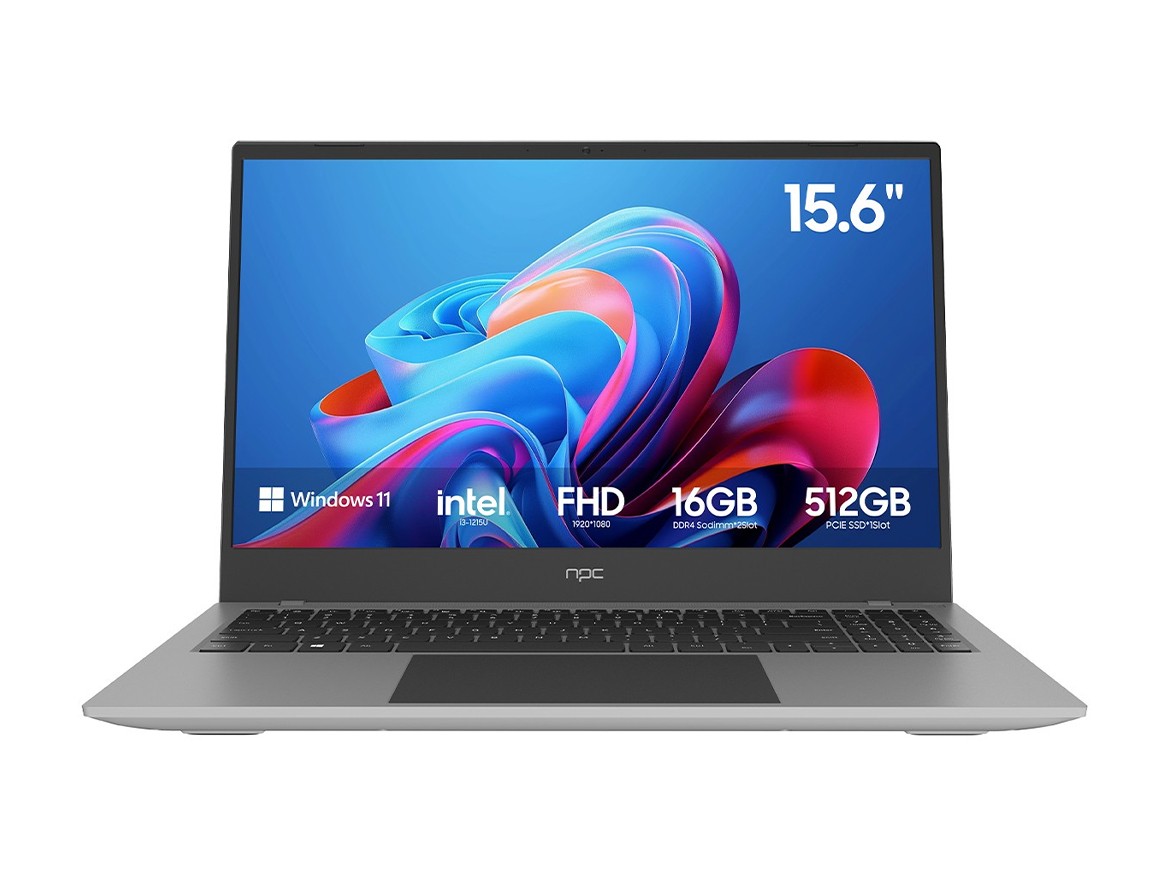
Compare concrete metrics, demand test evidence, and weigh real needs against product compromises. When supplier transparency meets measured performance, procurement becomes straightforward. That blend of honest specification and practical engineering is the value I see delivered by partners such as npc, which align design decisions to buyer intent rather than to marketing slogans.