
Introduction: A Question on the Water
When did you last notice your boat slowing down right when you needed power most?
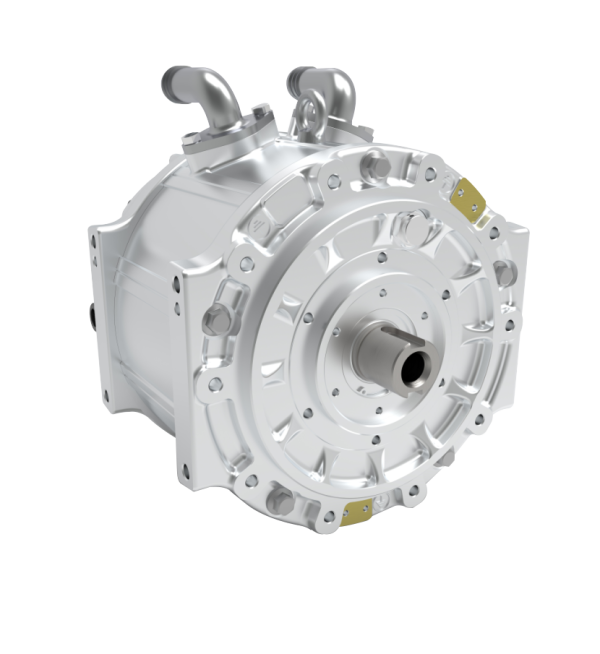
I see this often: an engine that once hummed now struggles — and yes, I mean the electric motor. Recent surveys show many small craft owners report drops in range and torque after roughly three to five seasons (local wear, salt, and all that). So what signs should push you from “maybe later” to “replace now” — and which fixes are only temporary band-aids?
We’ll walk through real symptoms, plain numbers, and clear choices — no fluff — so you can make a call with confidence. Next, I’ll dig into where common fixes fail and why they leave owners frustrated.
Part 2 — Why Common Fixes for Electric Boat Motors Often Fall Short
electric boat motors get a lot of quick repairs: new prop, a tune-up on the controller, or a battery top-up. At first glance these seem logical. But I’ve watched owners return weeks later — and the problem is the same. The flaw is not always the part you can see.
Why do old fixes fail?
Technically speaking, many failures trace back to mismatched components and hidden wear. A degraded battery management system will hide voltage sag until the motor demands peak power. The controller may still respond, but the motor runs hot and efficiency drops. Propeller damage is obvious, but subtle imbalance or shaft wear changes RPM behavior and stresses bearings. Look, it’s simpler than you think: piecemeal fixes ignore system-level problems.
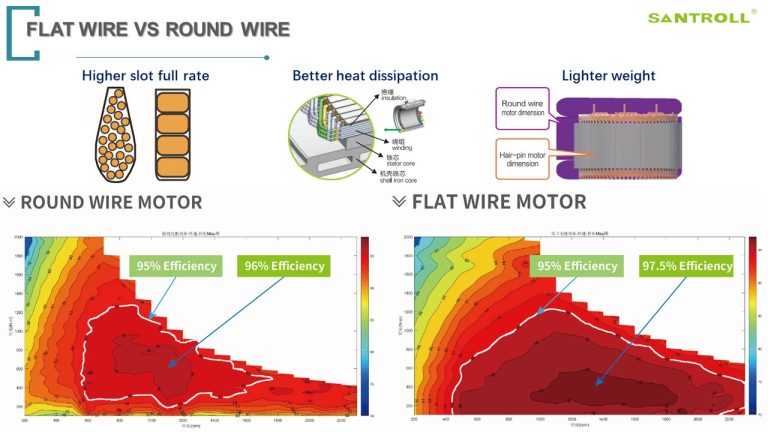
In the workshop I often find three repeated issues: poor integration between power converters and motor controller, thermal stress on the stator windings, and wrong torque specs for the propeller load. These produce symptoms that mimic other faults — slow acceleration, sudden drops in top speed, or strange vibrations. Owners replace the prop again. They replace the controller. Yet the root is often mechanical-electrical mismatch or long-term thermal damage. — funny how that works, right?
Part 3 — New Principles for Better Boat Motor Choices and What Comes Next
Moving forward, I recommend thinking in systems, not parts. Modern solutions center on better thermal management, smarter controllers with adaptive algorithms, and matched propeller-motor pairings. When you evaluate upgrades or replacements, look for designs that report telemetry, offer configurable torque curves, and support proper battery chemistry via a robust battery management system.
What’s Next?
For boat owners ready to future-proof, the trend is clear: integrated packages that balance motor, controller, and battery deliver far better longevity and efficiency. Consider models that include diagnostics and easy firmware updates. These reduce surprise failures and help you tune performance for different loads — fishing trips, heavy gear, or long cruises. Also, pay attention to IP ratings and corrosion-resistant materials; saltwater is unforgiving.
In practice, I’d evaluate three key metrics before buying or upgrading: system efficiency under load (not just peak horsepower), thermal handling (how the motor dissipates heat at sustained RPM), and integration quality (does the controller and battery talk to each other reliably?). Those three measures tell me whether the boat motors I pick will last and perform. They also guide maintenance priorities so you avoid pointless part swaps — and save money in the long run.
To wrap up: look beyond one-off fixes. Choose systems that match torque requirements, manage heat, and communicate status. I’ve seen it change outcomes for boats I’ve worked on. If you want a reliable reference or a starting point for comparison, check out Santroll.