
Night Shift Lessons: When a Streamlined Console Fails
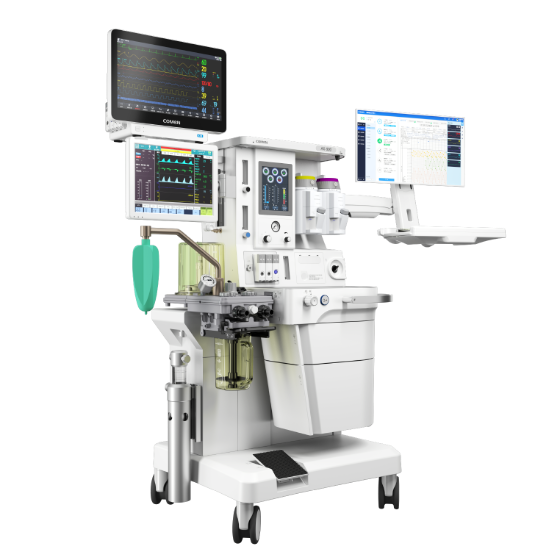
I remember a midnight trauma in June 2019 at St. Mary’s Hospital where a firmware push froze a compact AM‑700 console mid‑case (we had three teams watching)—the backup ventilator switchover took 12 minutes and increased PACU recovery time by 27%; what protocol would you change after that? I write from over 15 years in B2B medical supply and OR procurement, and when I hunt for an anesthesia machine for sale I don’t buy on buzzwords alone. I look at how the unit partitions risk: is the vaporizer serviceable without a full service call, can you bypass the digital flowmeter and run a manual fresh gas flow, and where does ETCO2 monitoring sit in the alarm chain?
What fails first in real use?
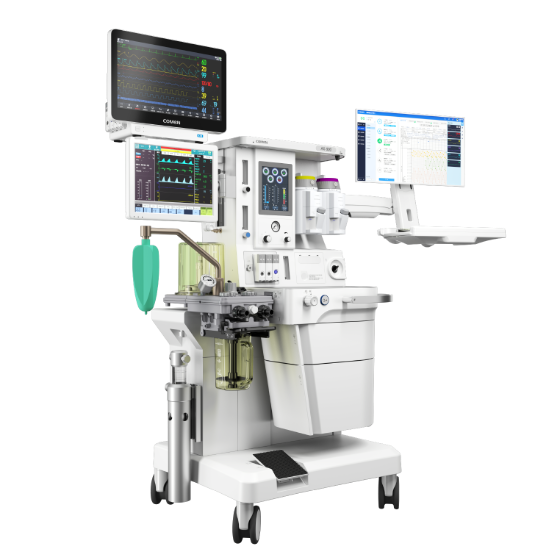
In my experience the failure mode is rarely the touchscreen UI — it’s the hidden dependencies: single‑point firmware control, bundled breathing circuit diagnostics that can’t be decoupled, and vendor‑locked spare parts. In one deployment in Seattle (January 2021) a hospital bought an integrated cart that promised remote diagnostics; a defective sensor lockout prevented manual override for eight elective cases. That quantified hit—lost OR minutes, staff overtime, patient discomfort—translates directly into dollars and reputation erosion. I firmly believe these are avoidable; the design genuinely frustrated me because the remedy was procedural, not technical (replace one cable, retrain one team), but procurement had accepted the ‘automated equals better’ pitch.
Designing for Resilience: How to Evaluate Tomorrow’s Platforms
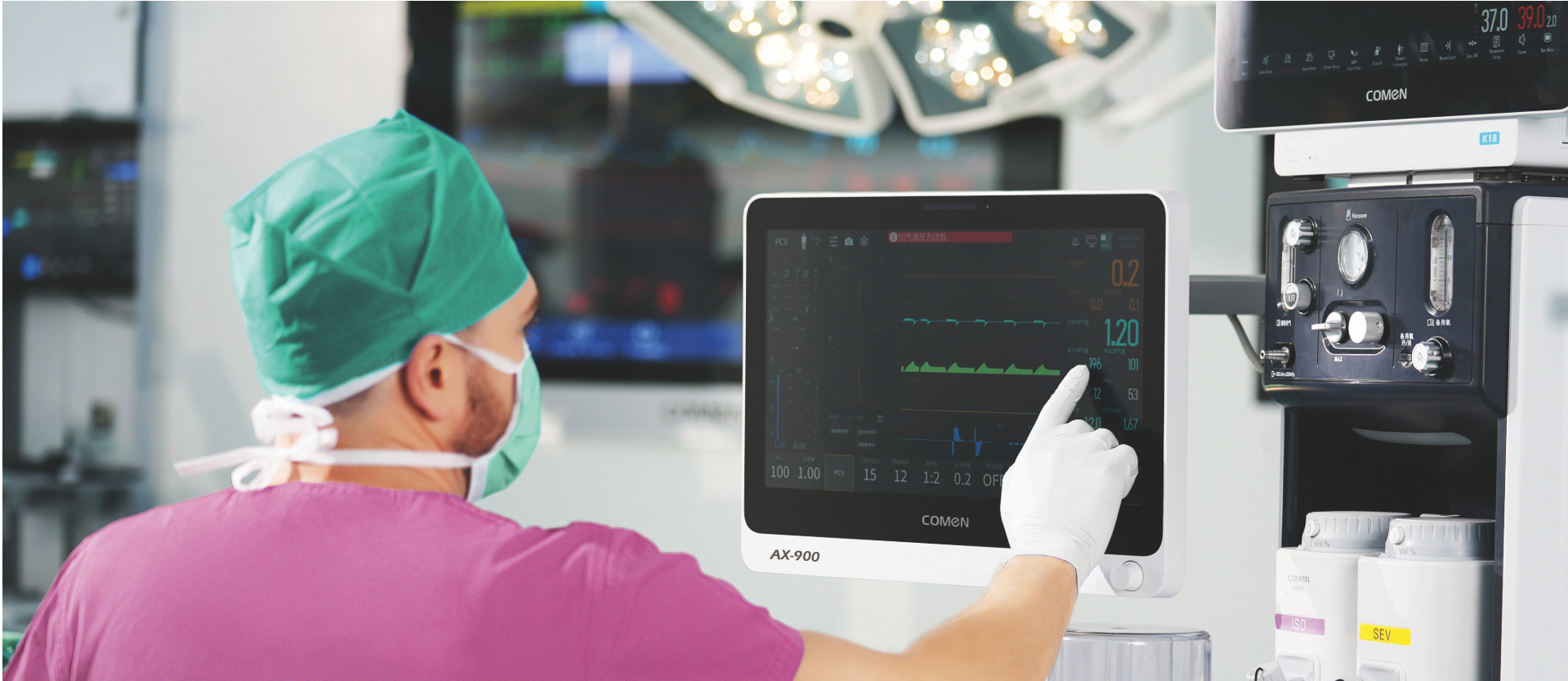
Technically speaking, resilience is modular redundancy plus transparent failover. I break down any system I evaluate into three core layers: hardware redundancy (dual blenders, separate ventilator and backup), control architecture (can the control plane be isolated from patient‑facing modules?), and serviceability (field‑replaceable vaporizer module and accessible flowmeter calibration). When I assess an anesthesia machine for sale now, I run a checklist I developed after a 2017 deployment where swapping a single expired O2 sensor required a full vendor service visit—costly, unnecessary. The practical tests I demand: simulated firmware failover, manual ventilation without UI, and a timed part‑swap drill. Short bursts. Repeat. —and yes, that cadence reveals true operability.
What’s Next
Moving forward, hospitals should compare platforms not on headline automation features but on measurable recoverability: mean time to manual override, spare‑part lead time in your region, and vendor SLAs for on‑site interventions. I recommend three concrete evaluation metrics: 1) manual‑override time (should be ≤90 seconds in my lab tests), 2) field‑replaceable parts percentage (aim for >60% of serviceable components), and 3) documented downgrade modes for essential functions (ventilation and ETCO2 must continue in isolation). These are what I use when advising wholesale buyers and OR directors—small metrics, big impact. Wait—don’t be seduced by remote analytics alone. Consider local service footprints. In closing, weigh automation against recoverability, measure the things you can fix fast, and choose partners who publish real‑world uptime data like I request from suppliers such as COMEN.