
Introduction — A Shop Floor Question
Have you ever stood at the edge of a buzzing bay and asked, quietly, why a job that should take an hour drags into a day? In one machine cell a bright screen logs cycle times while a nearby CNC turning and milling machine hums like a small city, and the numbers tell a stubborn story: scrap rates rising, throughput flattening, margins thinner than last quarter. (I’ve seen this scene more than once.) Data from mid-size shops often shows a 10–20% gap between planned and actual output — so what breaks down between plan and part?
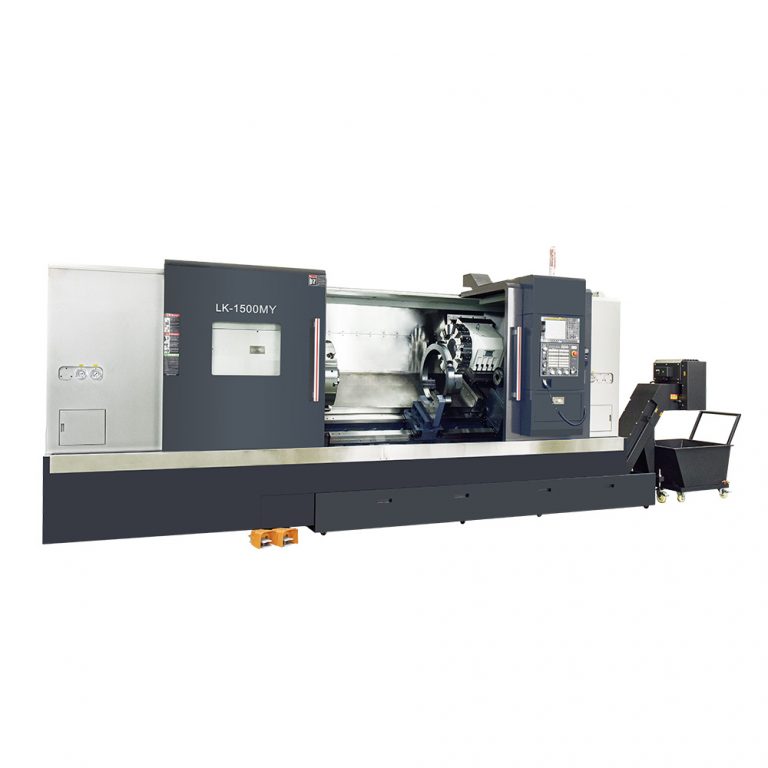
I write with a sort of borrowed Greek calm: the workshop is an agora of parts, tools, and choices. We inspect spindle speed and feed rate. We track the tool path like a map. Yet questions remain. Why do setups creep? Why do tolerance misses recur? These are not just technical faults. They are human puzzles. I want to walk you through them — slowly, in plain terms — and then point to decisions that actually change results. Next, we’ll dig beneath the usual answers and look at what truly trips up a shop.
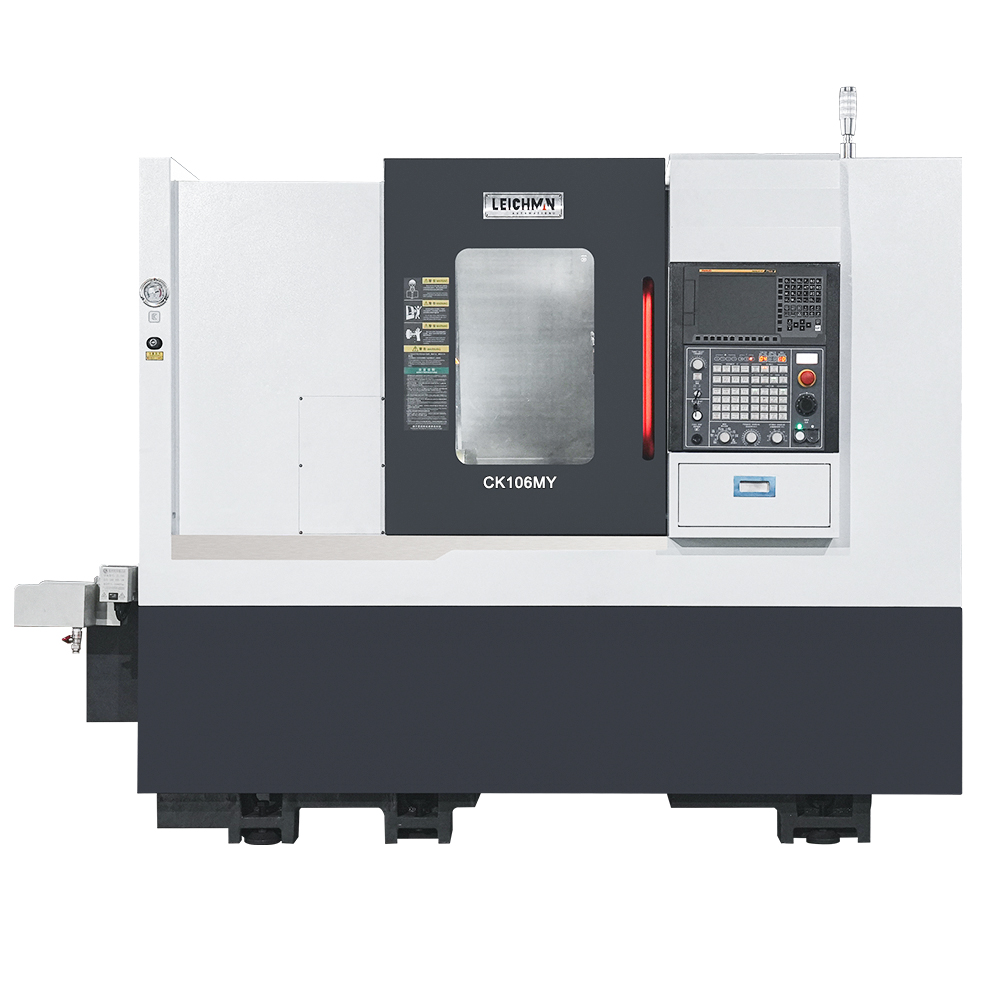
Part 1 — Where Traditional Solutions Fall Short (cnc heavy duty lathe)
cnc heavy duty lathe is often billed as the fix-all in supplier copy. But in practice, heavy tooling and a big machine do not, by themselves, cure chronic delays or poor finishes. Let me be blunt: vendors sell capacity. Shops need workflow, not just horsepower. In my view, the usual fixes—bigger motors, faster spindles, or a new CNC controller—treat symptoms without changing the ride.
Why do these fixes miss the mark?
First, many teams overlook axis backlash and how it creeps into repeatability. Second, coolant system tuning and improper tool changer setups add minutes per cycle that compound across a batch. Third, training gaps on tool offsets and adaptive feed control leave modern features unused. Look, it’s simpler than you think: you can own the fanciest lathe but still lose time to small errors and bad habits. I’ve watched shops swap machines and get the same yield. — funny how that works, right?
Technically speaking, the failure is layered. Process audits often miss human touchpoints: how operators set up workholding, how planners sequence jobs, how inspections are timed. The tech terms matter — spindle load, tool life, coolant pressure — but so do the handoffs. If you want measurable improvement, you must pair hardware upgrades with tightened setup sheets, clearer tooling standards, and real operator input. I’m not theorizing; I’ve helped teams cut changeover time by half with small process shifts and modest tooling investments.
Part 2 — Forward-Looking Principles for cnc milling and cnc turning
What if we stop buying machines as trophies and start choosing systems for flow? I suggest new technology principles that guide decisions: prioritize integrated process control, choose machines that share data cleanly, and design fixtures to speed swaps. When I say integrated process control, I mean closed-loop adjustments that use spindle load feedback and adaptive feed logic to protect tool life and maintain part quality. That’s not magic — it’s sensible engineering and good software.
What’s Next?
For a practical path, consider a staged upgrade: first, standardize tooling and tool offsets across jobs. Then, adopt a consistent coolant strategy and tune spindle speeds for each material. Finally, enable part programs that call tool life limits and log cycle data. When you combine these, the benefits add. You’ll see fewer tool failures, steadier surface finish, and better predictability. One more thing — invest in simple dashboards that show spindle load and alarm history in one glance. Operators will thank you. They want clarity. We all do.
To pick the right machines, look at how well they handle axis backlash compensation, how clear their CNC interface is, and whether they support common protocols for shop-floor data. Also, don’t forget the human side: training and clear work instructions reduce variance more than a small boost in spindle speed. In short: balance hardware with process, and you’ll enjoy real gains. For many, that balance looks close to what manufacturers like Leichman build into their platforms — but always pair the spec sheet with a trial in your workflow.
Closing — Three Metrics I Use When Choosing a Solution
I’ll leave you with three practical metrics. Use these when evaluating machines or upgrades: 1) Effective cycle time reduction — measure the net minutes saved per part after counting setup and inspections; 2) Repeatability under load — test parts at final spindle speed to see if tolerances hold; 3) Operator effort index — quantify steps in setup, and aim to cut them by at least 30%. These metrics force a real view of performance. They shift the conversation from shiny specs to measurable impact. — try them and you’ll notice clarity fast.
We also need to remember the people. Machines matter, but so do the hands that run them. I’ve seen small teams make big leaps by focusing on these three measures and by insisting on clear tooling rules. If you want to explore specific platforms or case studies, reach out and we can walk through a shop example together. For reference, check the offerings from Leichman for models that support integrated controls and robust tooling options. I believe pragmatic choices beat hype — every time.