
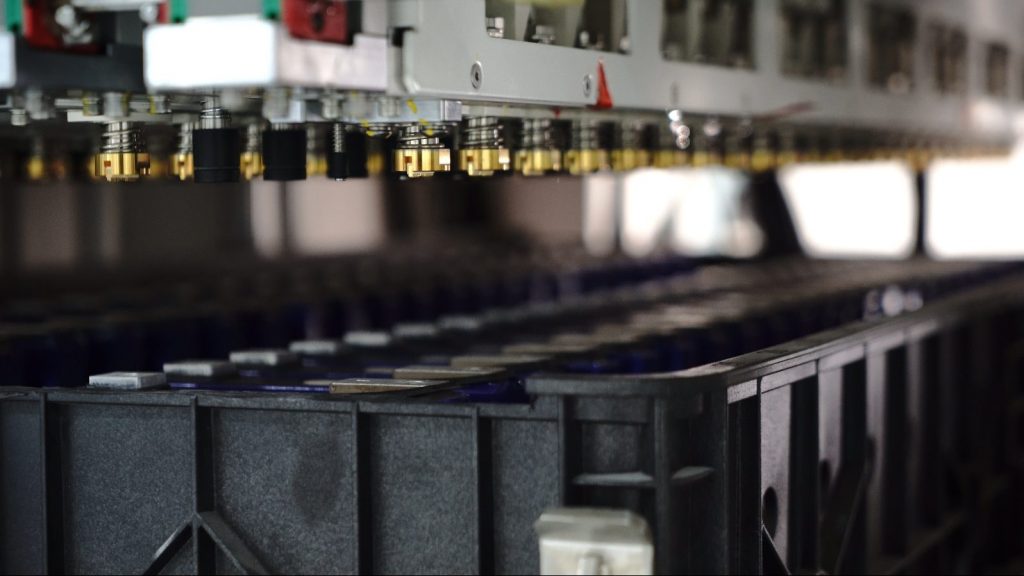
A Factory at Dusk: Why the Line Hesitates
Production lines do not collapse; they dim, one unnoticed choice at a time. In the cylindrical battery halls, the hum is steady, yet the yield drifts like fog. We talk about battery manufacturing equipment as if machines alone can redeem loss, but numbers say otherwise: OEE often sits at 65–75%, scrap spikes at winding, and tab welding twins precision with fragility. Look, it’s simpler than you think—small misreads create long shadows. A roll-to-roll web that slips by half a millimeter. Winding tension that sings a little too high. CCD inspection that blinks at the wrong beat. So the question arrives, quiet and cold: is the line failing, or are we failing to see the line?

Where do the bottlenecks truly live?
In Part 1, we mapped the surface—the stations, the beats, the takt time. Here we open the floorboards. Traditional fixes chase single faults and miss the hidden pain: calibration drift in calendering that crawls through a shift; MES dashboards that look back, not forward; edge computing nodes missing at the machine, so control loops run blind; power converters in formation that sip more energy than needed to build the SEI. The cost is not only scrap, but time, and the steady erosion of trust on night shift (you can feel it in the air). If we are honest, the flaw is structural: disconnected brains, slow feedback, and no memory where it matters. That is where the dusk settles—and where we must bring a steadier light before the next cycle begins.
Comparative Insight: From Linear Lines to Learning Lines
Let’s move from old habits to new principles, not in slogans, but in circuits and code. Yesterday’s line was linear: setpoints fixed, alarms loud, learning thin. Tomorrow’s line is comparative and alive—station to station, loop to loop. Closed-loop winding tension that listens to vibration and torque in real time. CCD inspection tied to motion control, so a defect changes speed now, not later. Edge computing nodes shape data at the machine, then share it upstream for the MES to act on constraints rather than count sins. Digital twins mirror calendering pressure and thermal drift, predicting when to pause and when to push—funny how that works, right? Even formation shifts: smarter power converters adapt current profiles to cell response, trimming energy while improving yield. In short, the line observes, decides, and remembers.
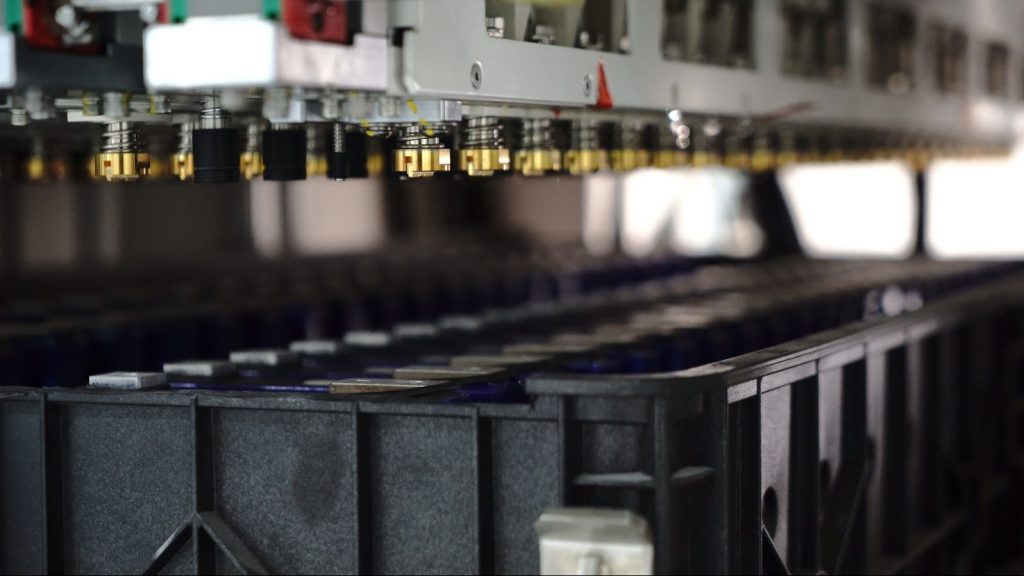
What’s Next
Future-ready battery manufacturing equipment will be judged by how well it collaborates. Compare systems by their ability to synchronize across winding, welding, inspection, and formation—no silos, no excuses. Case examples are already forming: plants using constraint-aware scheduling see OEE climb 5–10 points; tension variance halves when feedback loops run at higher bandwidth; changeovers that once took an hour now take minutes. The lesson is simple and stern: don’t buy speed; buy control of time. Summed up: find the drift, link the loops, and let the line learn. Advisory close—choose with care: 1) Traceability that ties every parameter to every cell, in real time; 2) Live constraint detection with actions that auto-tune setpoints; 3) Verified stability metrics—tension sigma, weld resistance spread, and energy per cell in formation. Walk that path, and the dusk clears enough to work. In the end, names matter less than discipline—though some will know LEAD.