
First look — why this comparison matters
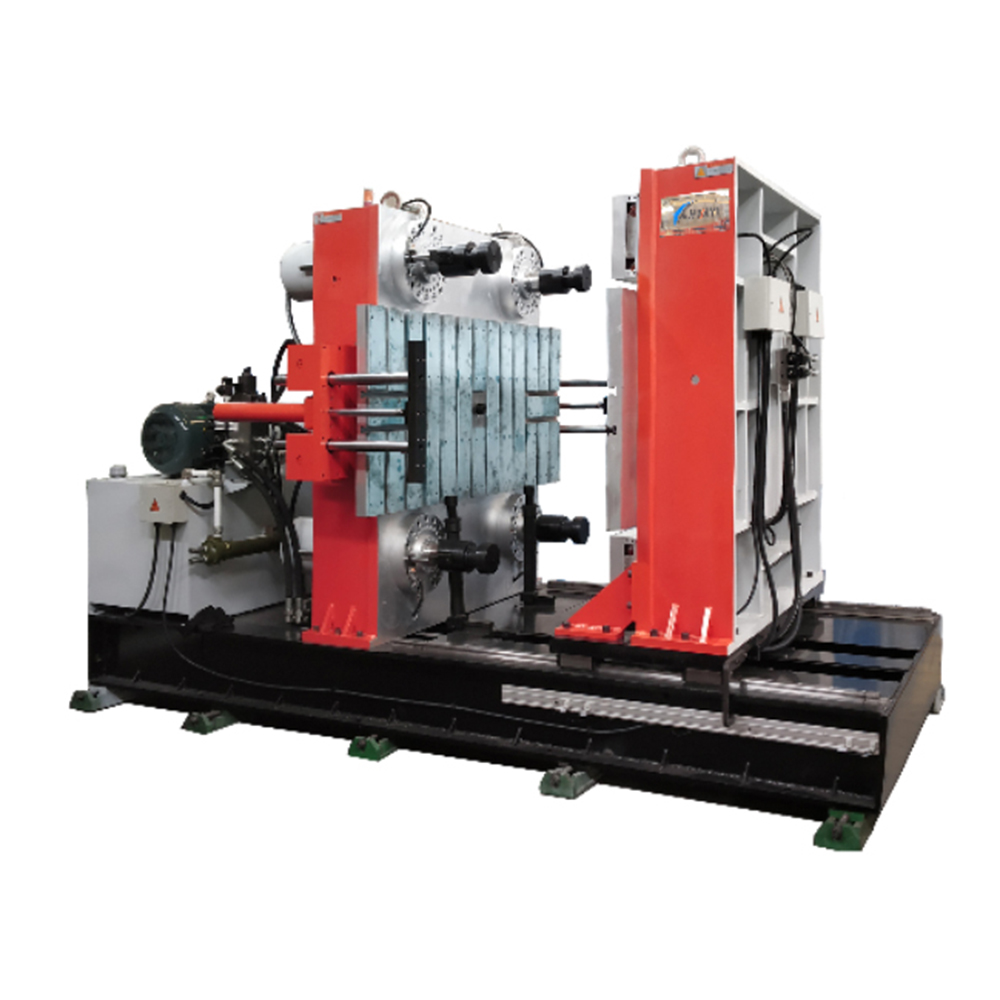
Alright, let’s cut to it: when you’re chasing tight tolerances on HCR parts, machine geometry isn’t just sauce — it’s the whole meal. Right off the bat, the differences between a custom C‑frame and other setups show up in cycle stability, mold access, and repeatability. I’ve clocked runs on both a compact horizontal rubber injection molding machine and larger presses in Shenzhen shops, and the tradeoffs are real — tooling changes, clamping force behavior, and melt homogeneity shift the whole output. Also worth noting: lots of OEMs in Dongguan favor certain machine frames for assembly-line rhythm, so what you pick ripples through your supply chain.
How the custom C‑frame compares, straight up
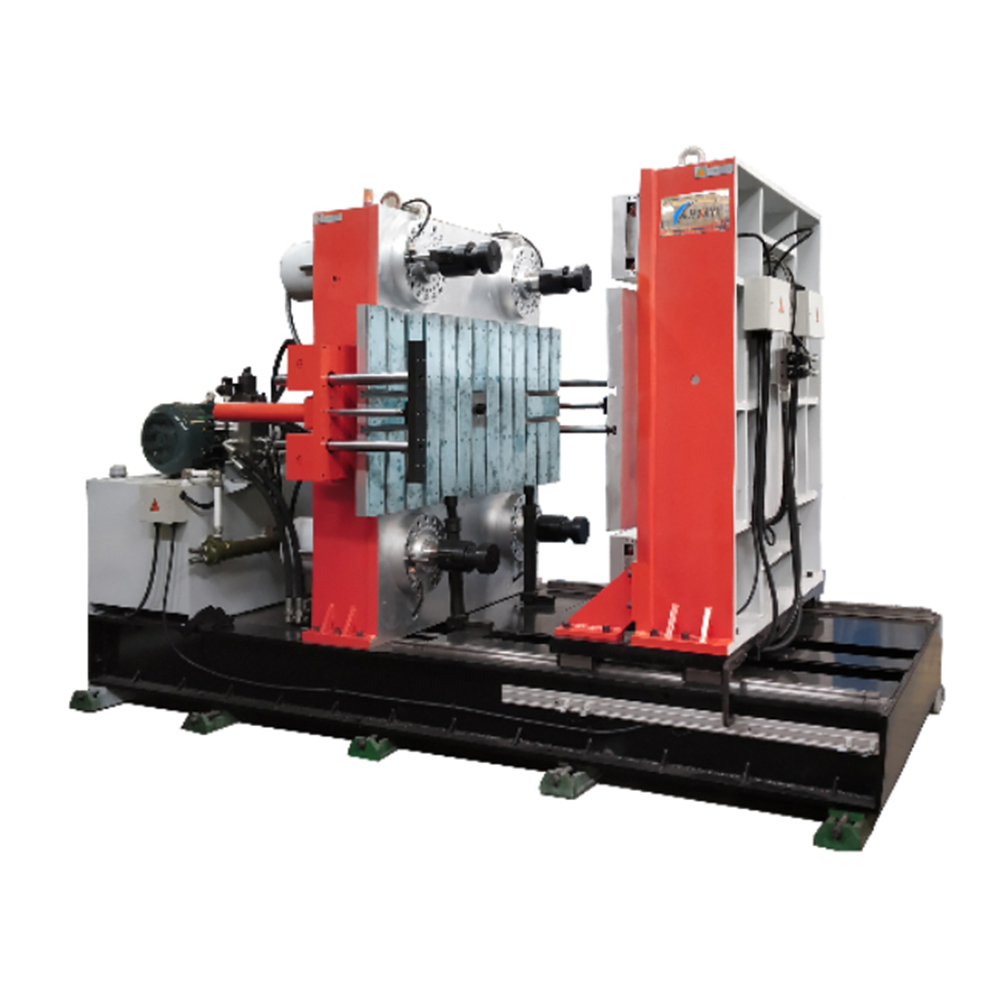
Short story: C‑frame rigs make mold access stupid easy. That’s huge for low‑volume runs or complex cores. Compared to toggle or tie‑bar presses, a C‑frame gives faster tooling swaps and cleaner part removal — meaning less downtime and fewer flash fixes. Where it stumbles is heavy clamping force. For big shot sizes and super-thick parts requiring high clamping, an H‑frame or toggle can be sturdier. Still, for HCR jobs where precision and consistent shot control matter more than brute force, a custom C‑frame can win on cycle-to-cycle repeatability and die alignment. Industry terms: injection molding, clamping force, shot size show up as practical knobs you’ll twist.
Key shop-floor metrics that actually move the needle
Focus on real metrics: shot-to-shot weight variance, clamp parallelism at 1,000 cycles, and vulcanization consistency across cavities. A machine that keeps shot weight within tight tolerances reduces post-trim work and scrap. I’ve seen shops in Shenzhen drop reject rates by half after tuning nozzle back-pressure and optimizing screw profile on a C‑frame line — not magic, just disciplined setup. Keep your eyes on barrel temperature stability too; HCR is sensitive to thermal drift, and that eats yield if you ignore it.
Tradeoffs, alternatives, and what to avoid
Choosing a custom C‑frame means accepting a few tradeoffs: less max clamping force, potential for lateral deflection if under-specified, and sometimes higher initial engineering for custom platens. Alternatives like horizontal tie‑bar machines or full electric toggle presses offer extra clamp and faster cycle potential — but they cost more and can be overkill for small, precision HCR parts. Avoid these mistakes: undersizing clamping force for multi-cavity molds, skimping on thermal control, and ignoring nozzle backflow during injection. — Also don’t sleep on maintenance: a clean, calibrated platen keeps parallelism right where you need it.

Real-world anchor and proof
Manufacturers in China’s manufacturing hubs have been refining this balance for years. In Shenzhen and Dongguan facilities, production runs for medical-grade silicone seals use horizontal layouts and fine-tuned injection profiles to hit strict tolerances demanded by global OEMs. That kind of local expertise is a living example: machine choice and process discipline together deliver measurable gains on scrap, throughput, and assembly fit.
Three golden rules for picking the right gear
Stick to three metrics when sizing machines for HCR work — these are the non-negotiables: 1) Clamp parallelism stability over projected cycle counts, measured in microns. 2) Shot-weight variance as a percentage of target shot — aim for under 0.5% for critical seals. 3) Thermal control resolution of barrel and mold, with PID tuning and documented drift below acceptable limits. These rules steer selection away from flashy specs and toward sustained yields.
Final beat — practical takeaway
Go for the geometry that matches your part: custom C‑frame when access, precision, and repeatability matter; heavier frames when clamp force dominates. Tune screw design, back‑pressure, and mold thermal circuits like they’re your trust fund — they pay back fast. If you want practical, shop‑proven balance between machine value and HCR performance, check out how established builders set up horizontal platforms, because that approach solves real problems on the floor — and often points to sensible custom options from makers like HWAYI. — a tidy fix, no fluff.