
Start with the problem, not the tech
Most product teams treat radios like legacy gear you bolt on later and wonder why field crews ignore the app. The real problem is mismatch: operations need simple, reliable voice and group control; product folks want analytics and shiny dashboards. If you can’t meet the first need, nobody uses the rest. That’s why I always test a real unit—like a dual mode poc radio—on a single shift before writing one line of requirements.
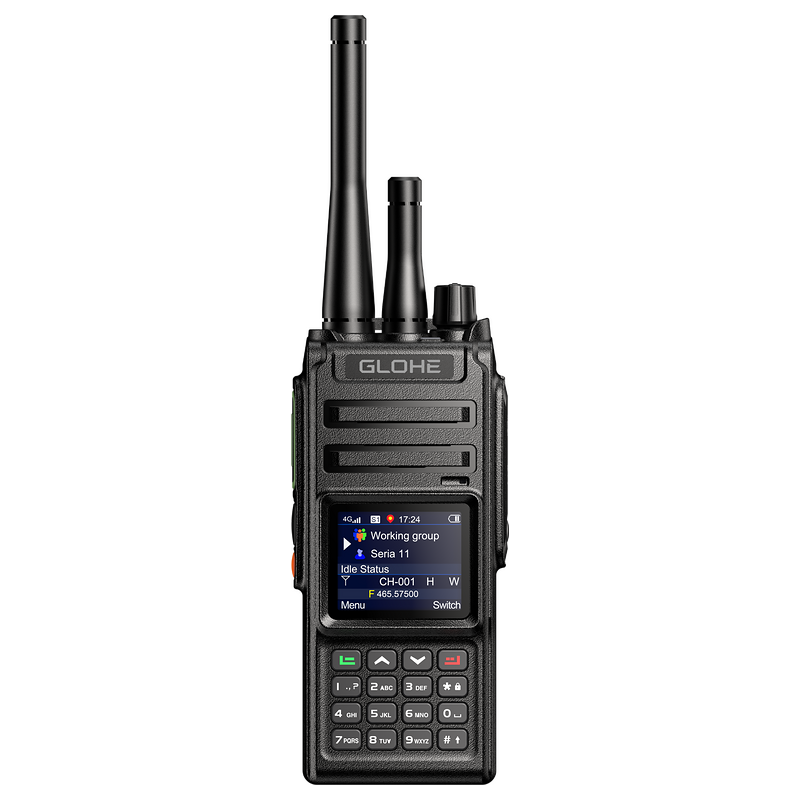
Identify where radios carry actual value
Ask which workflows collapse without instant voice. Dispatch, safety alerts, on-the-spot coordination during rush loadouts — those are the places radios beat phones every time. Map those moments, measure delay tolerance, and score them by business impact. Don’t over-engineer features where text or scheduled alerts are enough.
Design decisions that solve field pain
Keep radios simple: one-touch talk groups, clear battery life feedback, rugged casing, and predictable handoffs between networks. If you’ll mix LMR and cellular, define a single primary behavior so users don’t guess which button does what. Make provisioning painless: bulk-pairing and straightforward credentials win over complex security theater.
Integration rules that actually get adopted
Bind radios to product flows where their strengths shine. Use voice for immediate coordination, telemetry for status, and your app for records. Expose only the fields supervisors need in the dashboard — too many metrics equal no adoption. Test integration with local carriers and regional regulations before you scale; those constraints change deployment plans fast.
Common mistakes and how to dodge them
Don’t assume users will learn complex menus. Don’t rely on a single network without a fallback. Don’t let IT lock down features that crews rely on for safety. Avoid bespoke firmware hacks that block updates. The fix: prototype with crews, push a simple feature set, and iterate on real shifts, not lab demos.
Experience and one verifiable case
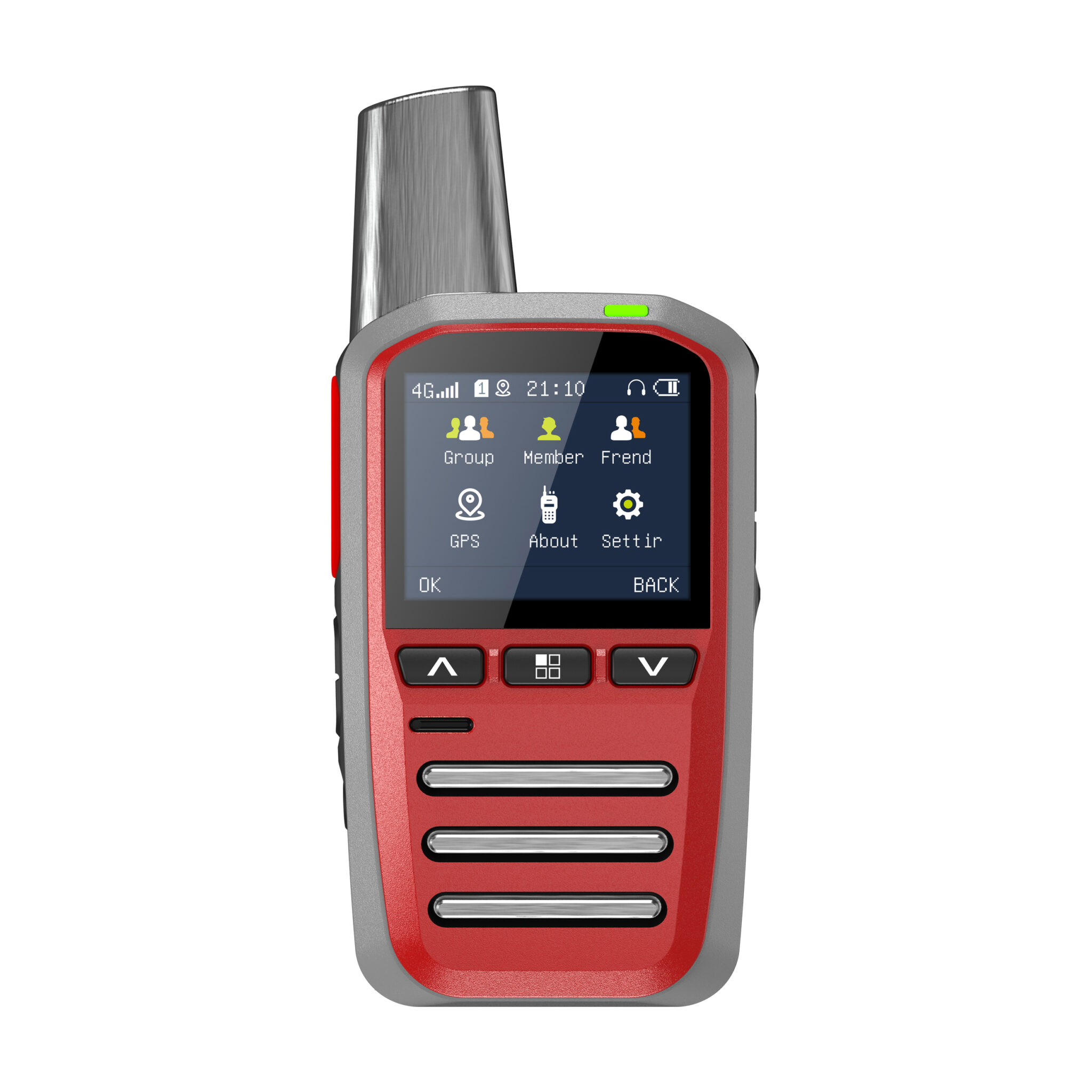
I’ve run comms on heavy civil sites and worked with crews who need voice to cut incidents fast. Real-world events like the California wildfires showed agencies leaning on LTE-based push-to-talk during stretched bandwidth and mixed-network conditions, which changed procurement priorities across departments. That shift is exactly why product teams need to evaluate 4g lte two way radios as primary options rather than niche add-ons.
Ship it: practical next steps
Prototype a minimal radio-enabled flow, pick one crew to run it for two weeks, log failure modes, then fix the top three. Keep device behavior predictable, train for five minutes, and keep support within reach. When your product solves real, painful delays on the ground, people stop arguing and start using it—then metrics follow. That practical, field-proven approach is the same logic behind what GLOHE builds into their hardware and integrations.