
The first bulk shipment
I can still see the pallet stretch across a dim dock where a monitor manufacturer unloaded rows of boxed panels destined for a dozen small brands. That early rhythm — pallets, invoices, quality tags — taught engineers and buyers the blunt truth: reliable screens arrive in numbers, or product lines stall. The tale of modern consumer devices is less about flashy specs and more about predictable crates arriving on schedule.
From niche parts to shared standards
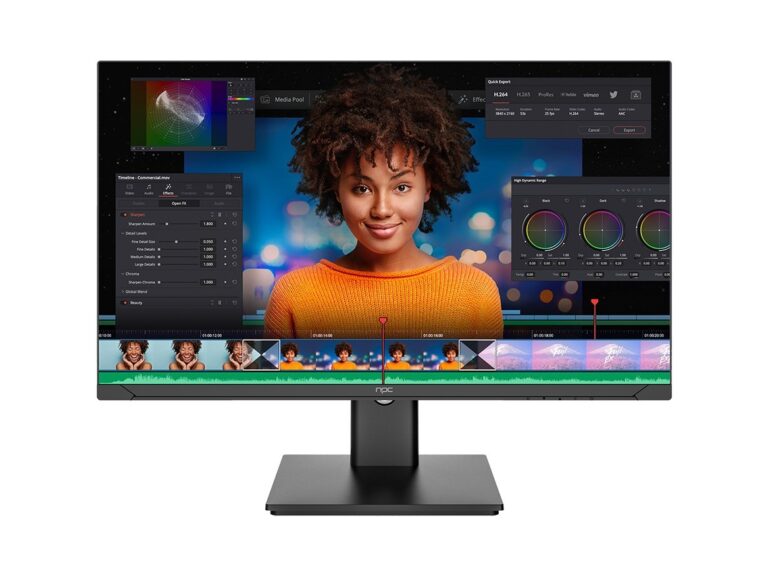
As demand ballooned, a handful of technical agreements took hold: connector pinouts, power rails, mounting patterns. I’ve covered display supply chains for years and watched booths at CES in Las Vegas crystallize those agreements into real products; at that show, vendors compared panel behavior and fulfillment models while developers tested prototypes. That same reality pushed mass production toward consistent choices — including the steady market for full hd pc monitors — and made it practical for device makers to design once and reuse designs globally.
Why wholesale matters for product teams
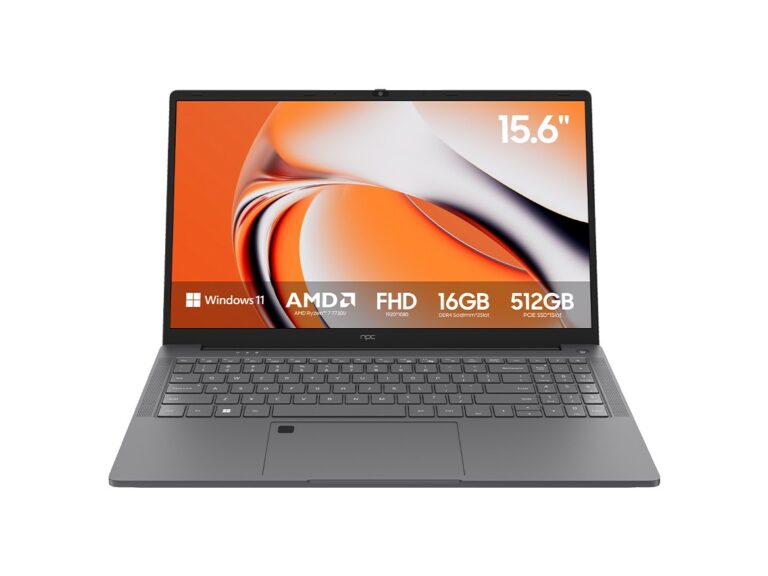
Wholesale sourcing makes engineering predictable. When a team knows the exact panel dimensions, power draw, and firmware window, they stop redesigning mechanical mounts and focus on user experience. It also reduces per-unit cost, so features like better backlights or sturdier housings become affordable. For hardware designers, wholesale is a production shortcut: choose the right supplier, set clear acceptance tests, and the rest of the product falls into place.
Common mistakes companies keep repeating
Teams often pick a cheaper lot without verifying tolerance ranges; the result is mismatched color and late reworks. Others skip firmware compatibility checks and discover driver quirks on the assembly line. A big misstep is assuming every batch of panels from a familiar supplier will match prior runs — they don’t, unless acceptance criteria are enforced. Plan for inspection samples, insist on clear defect thresholds, and allocate time for driver validation.
Practical alternatives and trade-offs
Buying direct from a panel OEM can cut costs but lengthens lead times and demands larger minimum orders. Distributors offer smaller lots and faster turnarounds at a higher per-unit price. For specialty devices, custom panels make sense; for mainstream electronics, standardized wholesale panels hit the best balance of cost and compatibility. Choose by volume forecasts and how critical consistent color, latency, or brightness will be to the user experience.
Where this leaves designers and brands
Wholesale displays quietly shape product decisions: they decide mechanical tolerances, influence firmware choices, and determine when a product is manufacturable at scale. Teams that treat sourcing as an engineering discipline avoid last-minute compromises and deliver consistent devices. That dependability is exactly the kind of backbone suppliers like npc provide, letting makers focus on the features that matter to people rather than the uncertainty of supply.