
Introduction: When the Room Is Paperless but Not Painless
A council chamber fills at 9:00 a.m., screens light up, and the chair taps the mic—nothing but a soft thud. The paperless conference system hums along, slick and fast, yet people lean in, repeat themselves, and wait for clarity. In one internal audit we reviewed, 21% of agenda time vanished to audio checks, late gain tweaks, and “Can you hear me now?” moments. That eats into decisions and trust. If the sound pipeline adds just 80–100 ms to your latency budget, discussion flow drops. With shared networks and shaky QoS, overload hits, and the stream stutters (even when slides fly). So here’s the blunt question: if the docs are digital, why does speech still feel analog?
I’m a fan of clean design and edge computing nodes that keep the signal local, but tradeoffs matter. Encryption and compliance can add overhead. Room acoustics are fickle. Meanwhile, executive panels need to move. What if we compare what truly shapes intelligibility—not just the app layer, but the desk-level tools people touch? Let’s get into the nuts and bolts, then map what to watch next.
Deeper Layer: The Hidden Friction Around the Table
Why do good rooms still sound bad?
The tabletop microphone looks harmless: small footprint, neat cable run, maybe PoE, maybe wireless. Look, it’s simpler than you think—until humans arrive. Hidden pain points stack fast. Users angle the base to face a screen, not their mouth, so gain staging fights the room. Paper shuffles and laptop fans mask consonants. AEC struggles when two delegates speak over each other, and beamforming steers late. Even an excellent capsule cannot fix reflective desks and glass walls. Then there’s the human loop: no feedback on who has the floor, no visual cue for mute, and timid talkers sit back. Result? Operators ride faders instead of the agenda.
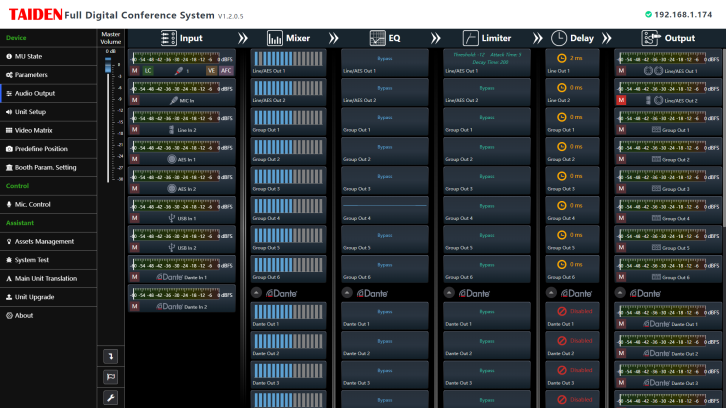
Legacy fixes miss the mark. More mics often mean more comb filtering. Aggressive noise gates chop syllables. Firmware left unpatched creates RF surprises—funny how that works, right? Meanwhile, chairpersons need priority, interpreters need clean aux sends, and IT needs predictable traffic shaping. Without device-level telemetry, you cannot see who clips, who drifts, or where the bottleneck sits. A better path blends acoustic design with intelligent control: context-aware AEC, adaptive beamforming, and per-seat analytics that adjust thresholds in real time, not after the meeting ends.
Comparative Insight: Principles That Unlock the Next Step
What’s Next
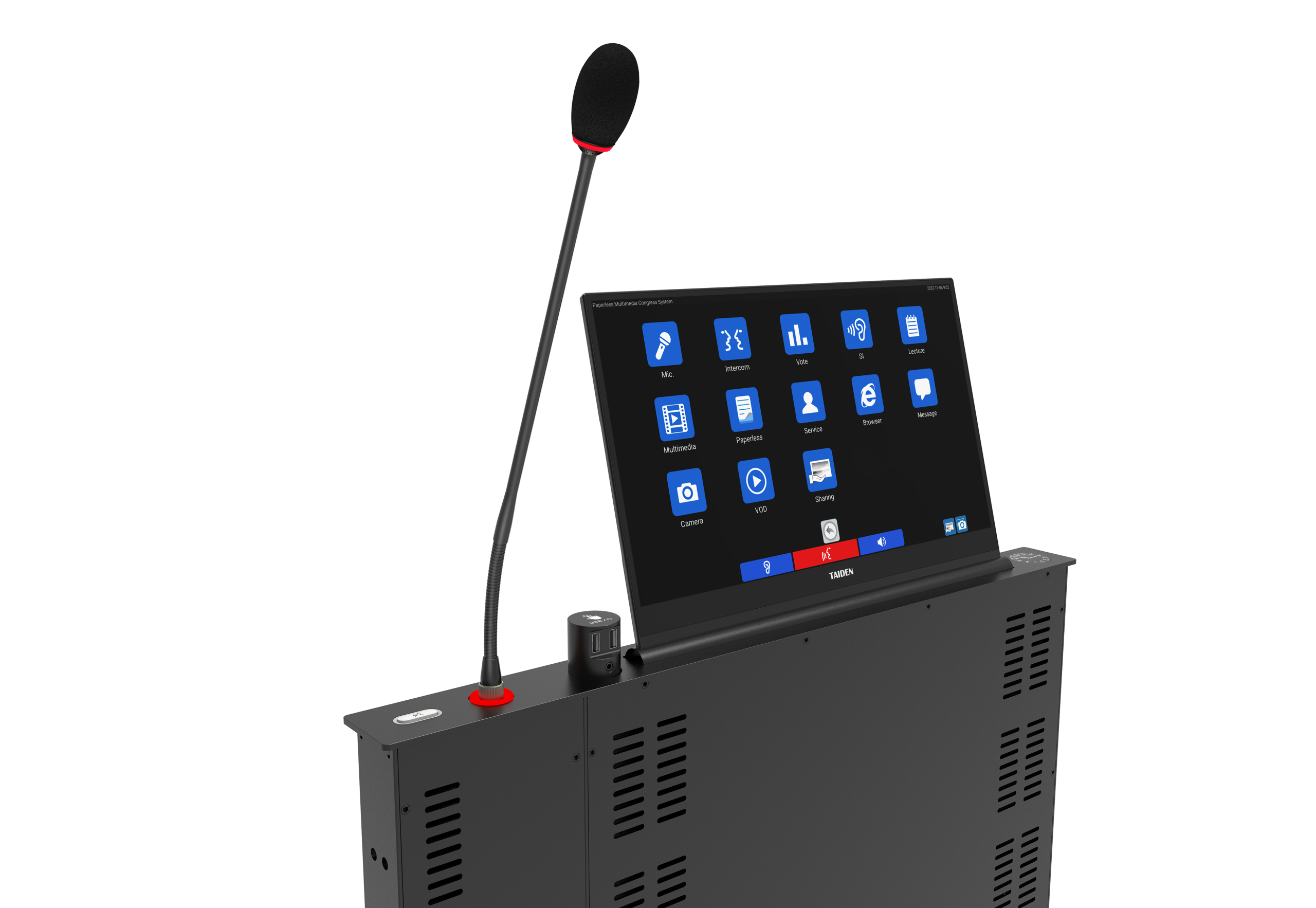
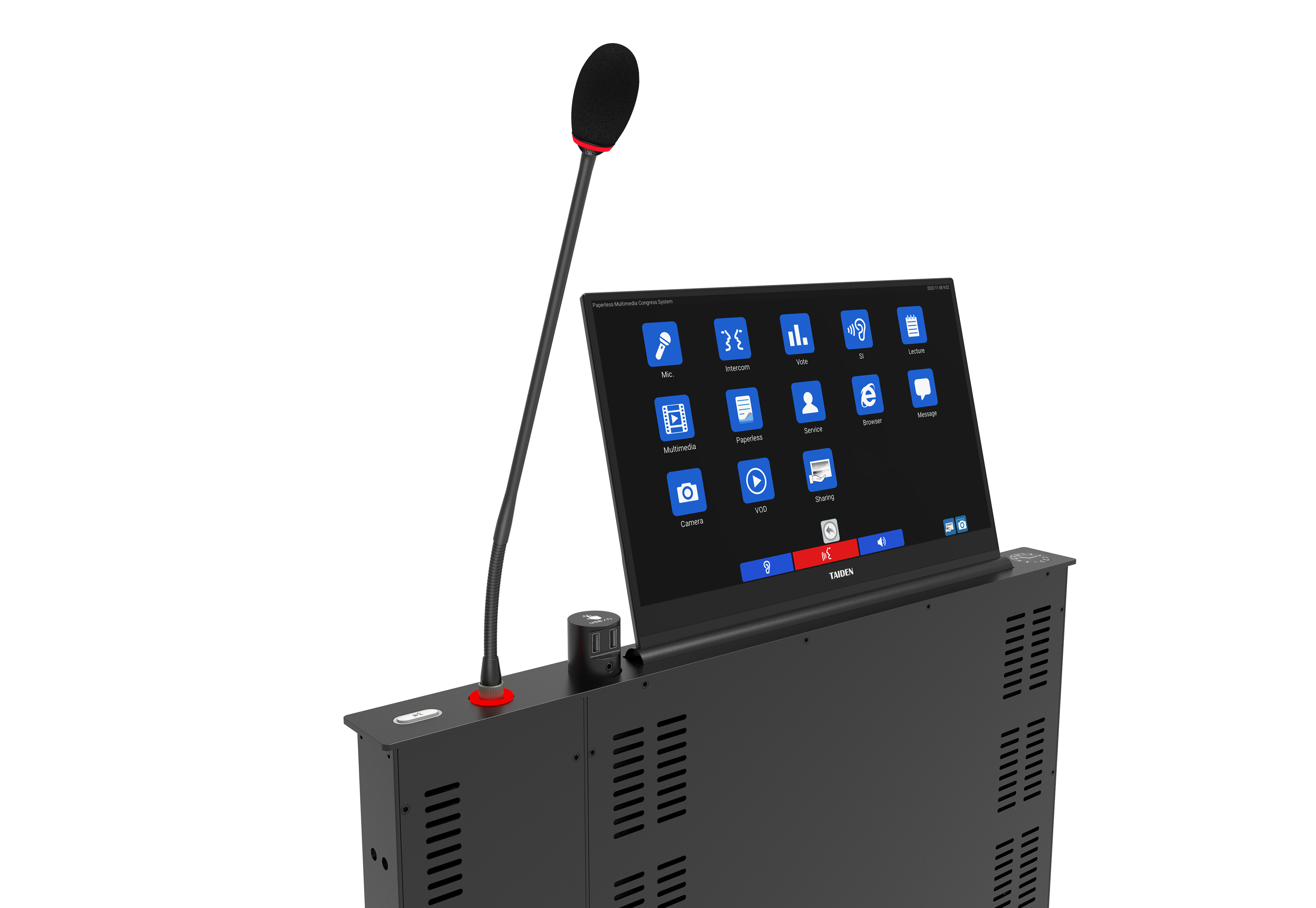
From here, two principles stand out. First, push compute closer to the seat. On-device DSP reduces round trips, and edge rules lower latency before it compounds. When a microphone with screen enters the mix, that display is not just pretty—it becomes the user’s contract with the system: speaking queue, mute state, voting prompts, even talk-time nudges. Second, integrate the seat into the network like a first-class citizen. Deterministic QoS, PoE with clean power converters, and simple firmware lanes let IT treat sound paths like any other critical service. Compared to passive mics, seat-aware endpoints can show per-user SNR, highlight overlap, and auto-tune AEC profiles. The difference is night and day—because control lives where speech begins, not three racks away.
So what changes tomorrow? Expect context-driven beamforming that reacts to head position, not just volume. Expect ultra-low-latency codecs that keep floor control snappy. Expect admin dashboards that flag risky acoustics before a vote. And yes, a smart microphone with screen can cut confusion by surfacing who’s live, who’s next, and what’s locked, right on the desk—no guessing, no hand waves. We’ve learned that pain hides in micro-decisions: posture, timing, mute logic. Shift those with seat-level intelligence, and meetings feel lighter—fast. Advisory wrap-up: measure three things when you choose solutions. One, speech intelligibility (target STI ≥ 0.6 in real use, not lab ideal). Two, end-to-end latency (keep floor-to-far-end under 30 ms). Three, fleet health visibility (per-seat analytics, alerts, and simple updates). Nail those, and the rest tends to click—funny how aligned behavior becomes when the tech finally stays out of the way. TAIDEN