
Comparative lead: why the five factors matter
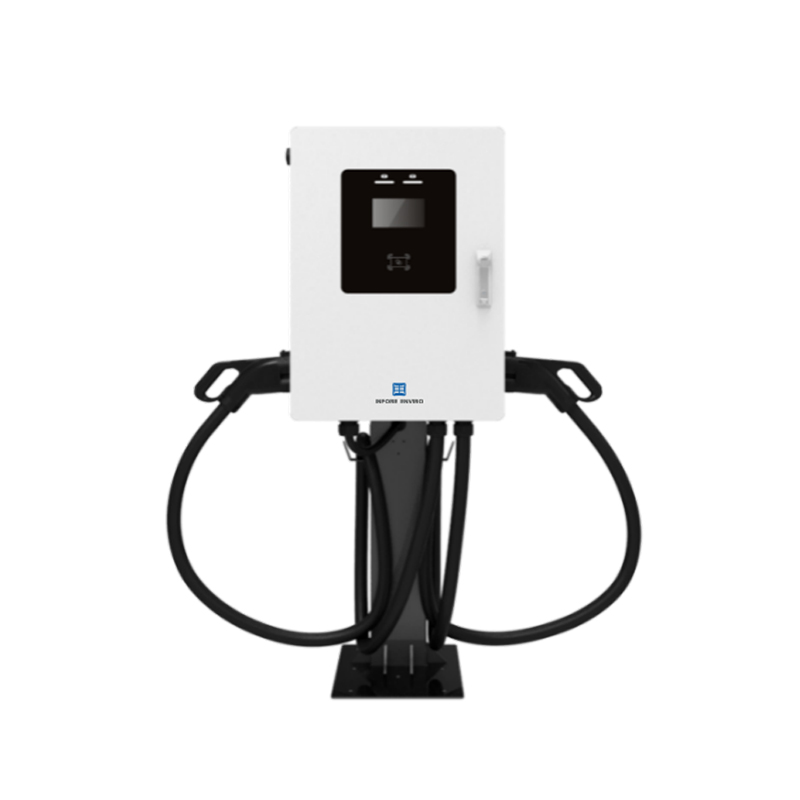
This comparative piece looks straight at what separates a good dual Level 2 setup from a business-grade solution, using five clear factors as our measuring stick. Start here: many sites also need DC fast options nearby, so operators often pair Level 2 bays with a CCS DC fast charger to cover fleet turnaround. The comparisons below focus on uptime, throughput, user flow, network behaviour and total cost — the bits that actually hit operations every day.
Factor 1 — Power delivery and load management
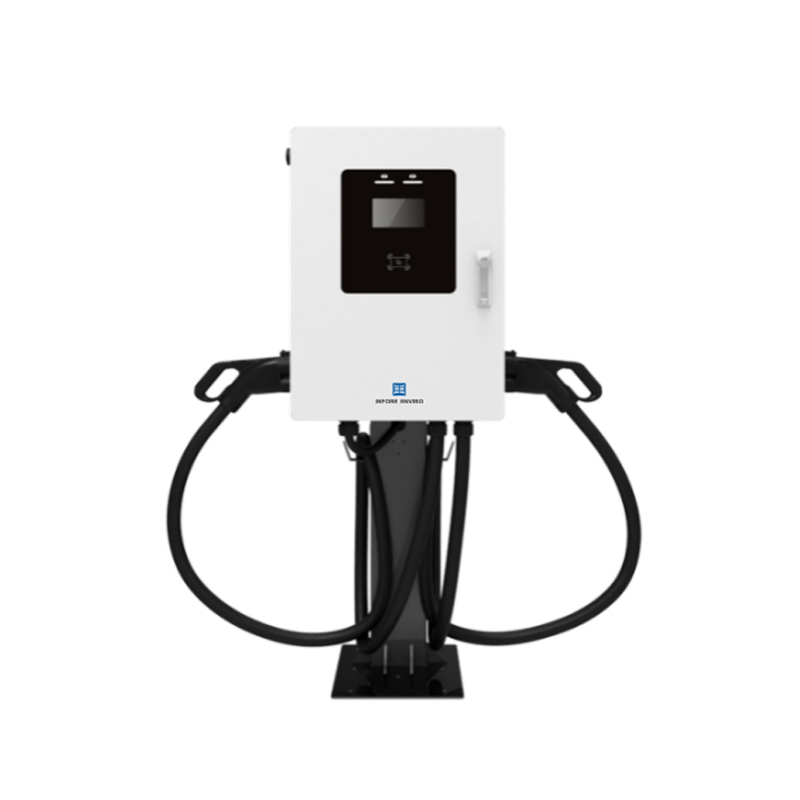
Level 2 chargers are rated in kW and amps, and practical selection starts with matching expected dwell times to power capacity. A dual Level 2 pair with smart load balancing keeps per-stall current within building ampacity limits while maximising aggregate kW delivered. Look for adaptive load management that negotiates phases smoothly and limits backfeed during peak building demand. This is where you measure real throughput versus nameplate capacity.
Factor 2 — Hardware durability and maintenance
Commercial sites need rugged enclosures, secure cable management and modular parts for fast swaps. Weatherproofing and tamper-resistance matter where curbside or public car parks are used. Consider MTBF data and local service networks — a five-minute onsite repair beats a three-week depot replacement. Plan spare parts and a firmware rollback path; small decisions here lower downtime and hidden OPEX.
Factor 3 — Network integration and standards alignment
Software decides how chargers behave in mixed fleets. Compatibility with backend systems, OCPP versions, and payment gateways must be explicit. Also consider alignment with the EU EV charger standard, whose practical sub-sections typically cover connector interoperability (Type 2 / CCS mapping), communication protocols (OCPP session initiation and heartbeat timing), and electrical safety tests (earth continuity and insulation resistance checks). Cities like Amsterdam and Copenhagen already run pilots that prioritise these sub-sections for interoperability and reduced charge disputes — useful real-world anchor for expectation setting. The right integration reduces friction for fleet telemetry and billing reconciliation — and it scales when you add more stalls.
Factor 4 — Driver experience and accessibility
Design choices shape adoption. Clear signage, universal connectors (Type 2 native for many EU fleets), and intuitive payment or access systems drive higher utilisation. Think about cable length, connector retention, and LED state feedback — small ergonomic wins cut dwell time. Account for ADA/disabled access in layout planning so every bay is usable without awkward manoeuvres. Smooth user flow equals faster turnovers and happier tenants.
Factor 5 — Total cost, incentives and ROI
CapEx is visible; hidden costs are not. Include installation: civil works, transformer upgrades, utility demand charges and future-proofing for faster chargers. Factor in local incentives or grants and simple ROI math: incremental revenue per kWh minus incremental O&M, divided by installed cost. The realistic payback horizon usually spans 3–7 years for commercial sites with steady turnover. Plan cashflow; that decides whether you scale today or stage installations over seasons.
Operational teardown and common mistakes
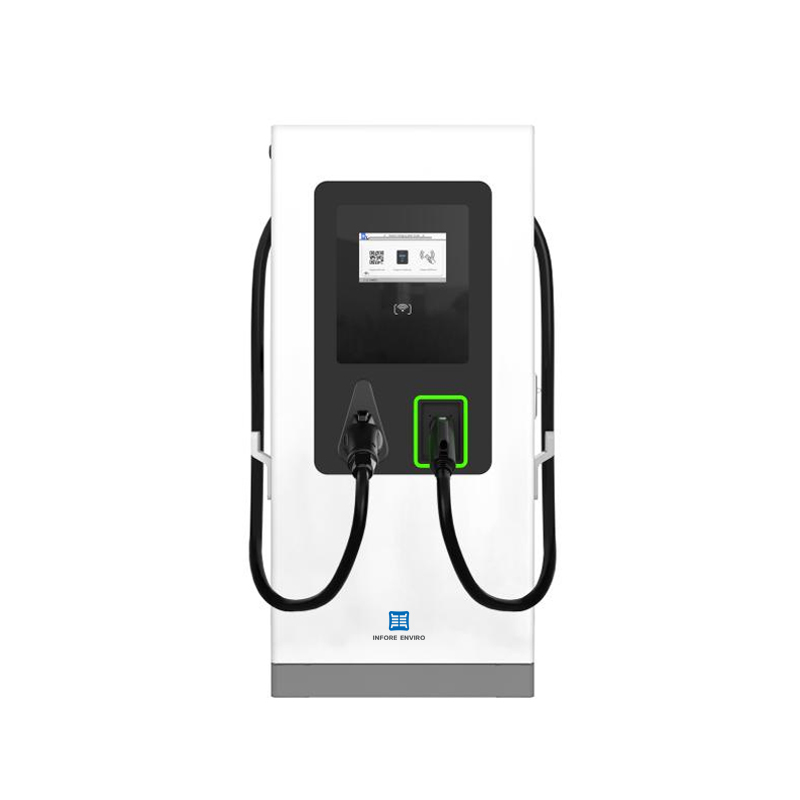
When we peel back real deployments, common errors surface: oversizing feeders without verifying panel spare capacity, choosing proprietary backends that lock you in, and ignoring peak demand spikes that trigger higher tariffs. In a quick teardown I compare a vendor stack, verify {main_keyword} in the firmware logs, and then map {variation_keyword} to actual load profiles to confirm expected kW delivery. Practical industry terms to watch for here: load balancing, OCPP and ampacity. Fix these early — saves months of rework.
Advisory close: three golden rules
1) Measure and match: size chargers to real dwell time and fleet mix, not optimistic forecasts. 2) Choose open integrations: prefer OCPP-compatible backends and Type 2/CCS interoperability so upgrades stay painless. 3) Plan maintenance like a product lifecycle: spares, firmware rollback and local support commitments guarantee uptime. These rules lead you to decisions that actually lower cost and increase utilisation — which is where INFORE ENVIRO adds value as a partner that understands both hardware and site operations. –