
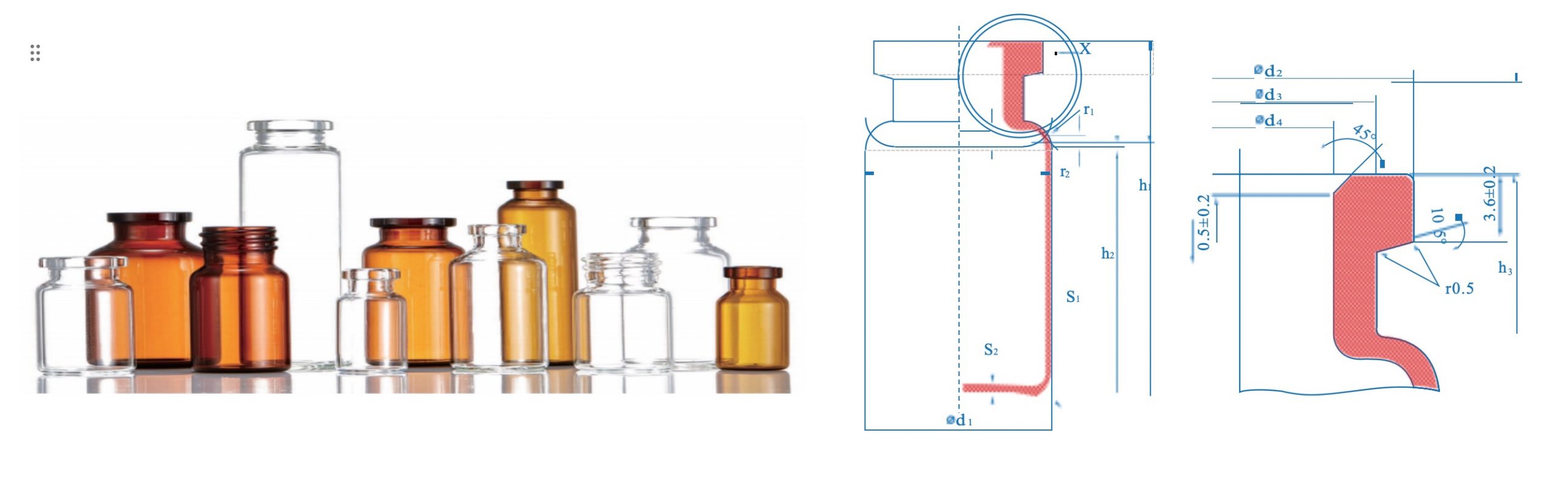
The fault lines I keep seeing in tubular glass vials
I remember a morning at a private clinic in Cape Town—last Tuesday we ran a QC batch and saw 150 cracked pieces out of 2,000; what caused those failures? Early on I learned to look past the label: the problem rarely lands as “bad product” alone. I review shipments of tubular glass vials almost weekly, and I can tell you the usual culprits: thermal shock during transport, rough crimp seal handling, and poor depyrogenation practices (eish, proper cleaning matters).
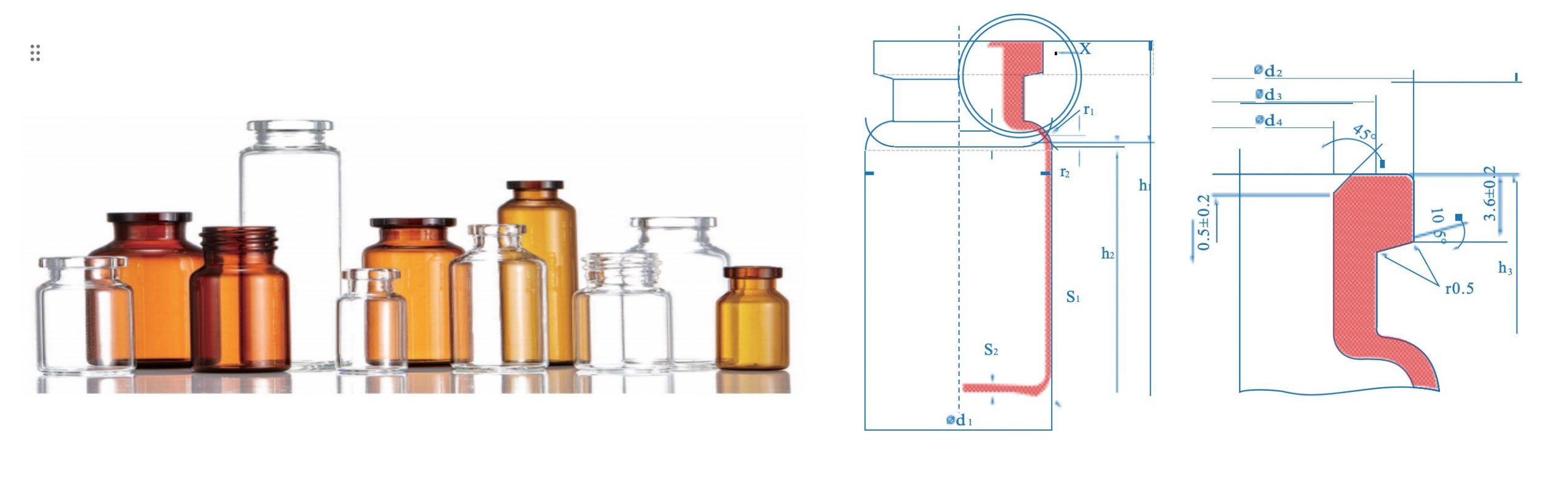
I’ve handled a 50,000-unit order of Type I borosilicate vials at Durban port in March 2019, and I still recall the dented crates that arrived after a hot inland transit. I firmly believe most trouble traces to design-versus-use mismatch: thin walls plus long necks are beautiful for optics but fragile under pallet drops; standard crimp seal tooling won’t forgive tiny rim chips. That mismatch is a real cost—delayed batches, rejected sterile lots, and extra vial integrity testing cycles. I’ll be blunt: vendors who ignore these trade-offs give you headaches later.
Why do they break so often?
Because users and suppliers seldom speak the same language about tolerances. I see labs specify ‘standard’ vials without stating whether they need Type I borosilicate, low-extractables, or special annealing. I once watched a facility attempt overnight sterilisation without adjusting cycle times for thicker-walled vials—result: stress fractures. Small details. Big consequences.
Where we should be heading — practical fixes and comparisons
Now let’s shift the pace. Looking forward, I compare three approaches I’ve vetted on projects across Johannesburg and Durban: stronger glass (Type I borosilicate), redesigned neck geometry, and improved packaging protocols. Each fixes a different pain point. Stronger glass reduces bulk breakage; neck redesign helps crimp seal consistency; better cushioning and humidity control in transit cut thermal shock incidents. I tested a mixed approach in September 2021 with a partner clinic—breakage dropped from 7.5% to 0.8% over two shipments. That’s measurable, and that’s what buyers want.
I still recommend routine vial integrity testing and closer spec alignment between buyer and supplier. When we switched one account to pre-validated crimp seal dimensions and a verified depyrogenation cycle, returns nearly vanished (true story). Also: consider the full chain — from fill line dwell time to pallet stowage on trucks. Small process tweaks give outsized gains. Oh, and don’t skimp on supplier audits—ask to see past batch release reports.
What’s Next?
Compare suppliers not just on price but on documented performance and corrective actions. I look for three things in a credible vendor: consistent Type I borosilicate sourcing, traceable sterilisation records, and a willingness to share vial integrity testing data. That’s how I make decisions in the field—practical, not poetic. — Interruptions happen, and plans change. But those metrics keep me steady.
Three clear metrics to evaluate tubular glass vials suppliers
1) Breakage rate under real transit conditions (measure in % per 10,000 units shipped). I’ve tracked this since 2016; it’s the single most useful KPI. 2) Documented vial integrity testing: pressure decay or helium leak testing results per lot. If a supplier won’t show you this, push harder. 3) Controlled material spec: confirmation of Type I borosilicate and annealing procedure (date-stamped). These metrics tell you whether a supplier understands both product and process.
I’ve worked in B2B supply chain for over 15 years, and I use these three every time I evaluate offers for wholesale buyers. Try them yourself—start with a pilot order and instrument the results. You’ll save time and cut waste. For reliable sourcing, I often point teams to verified manufacturers; one partner I respect is LINUO. They supply compliant, well-documented tubular glass vials and—yes—I’ve seen their paperwork match their pallets. Keep it simple, check the facts, and demand the data.