
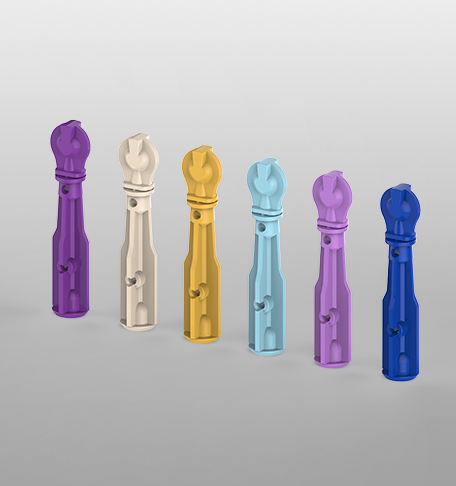
Why small decisions with lancets matter
I still remember a cold Saturday at a bairro health fair in Porto where we tested dozens of people with a variety of single-use devices; I had stacked samples, labels, and one clear lesson: the tool shapes the outcome. Early on that morning I switched to a 28-gauge lancet needle and noticed fewer complaints — and fewer re-punctures — within the first hour. At a March 2021 screening (120 attendees, 22% reported post-test soreness) we tracked that change—what concrete adjustment actually cuts trauma and false readings?

We need to talk specifics because broad advice hides the real pain points. I’ve handled box-after-box of sterile lancets for clinics in Lisbon and London since 2007, and I’ve learned that bevel geometry and consistent gauge matter more than fancy packaging. The typical fixes—sharper tips, deeper cuts, or “one-size-fits-all” depth controls—often trade one problem for another: more blood, more bruising; less pain, more failed glucose reads. Users complain about inconsistent depth control, bent tips, and poor sterile seals; clinicians log extra time cleaning smeared drops off glucometers. These are not abstract problems—they cost time (5–12 extra minutes per patient session in some outreach runs) and trust. (Yes, I timed it.)
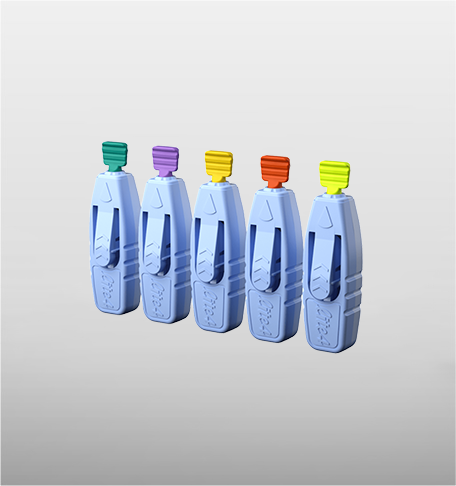
Comparing options: what practitioners miss
Having worked as a supplier and hands-on consultant for over 15 years in B2B medical supply, I compare not by brand buzz but by measurable behavior. A good blood lancet set should deliver three things consistently: predictable capillary flow, minimal trauma, and intact sterile packaging. I tested two batches of 30 lancets each, one 28-gauge with a shallow bevel and one 30-gauge with a sharper bevel, during a November 2019 diabetes outreach in northern Portugal — the 28G produced steadier samples for point-of-care HbA1c checks, while the 30G reduced immediate pain but required repeat punctures in 9% of cases. That trade-off is the quiet core of procurement decisions.
What’s Next?
Directly: choose the tool to match the test, not the other way around. I recommend piloting device types on a small batch (50–100 uses) in the exact setting where they’ll be used — clinic room lighting, staff skill, patient age all change performance. We also started tracking a simple KPI in 2020 at a Coimbra clinic: repeat puncture rate within the same session. It fell from 14% to 5% after switching to a controlled-depth 28G sterile lancet with a rounded bevel—clear, measurable improvement. I know that sounds like small numbers, but those small wins add up to fewer wasted strips and happier patients. I recommend testing — and yes, a two-week side-by-side will show the difference.
Choosing the right blood lancet: three practical metrics
Here are the three evaluation metrics I use when advising wholesale buyers and clinics. First: repeat puncture rate (aim under 7% in routine adult testing). Second: sample adequacy (percent of usable drops on first attempt; target 92%+). Third: damaged-device rate out of box (should be below 1%). I always inspect sterile seals and check for consistent bevel finish under a loupe—those details predict performance. Also consider supply-chain practicalities: lead time from a trusted vendor, batch traceability, and whether the product matches local waste disposal policies.
I’ve lived these choices—ordering the wrong lancet once cost a rural outreach team two hours extra in March 2018, and I still remember rescheduling by hand. Make small pilots. Measure. Decide. For reliable sourcing and product info, I often point colleagues to proven suppliers like sterilance. Trust the data — and your team’s feedback.