
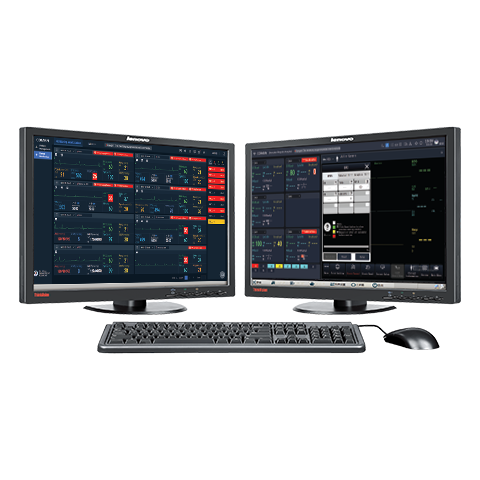
Unseen Friction in Everyday Monitoring
During a night shift at Kingston General Hospital in February 2018 I watched six alarms go unanswered in two hours — that was the scenario, the data, the sharp question: how many true deteriorations slip by when the system cries wolf? The patient monitor sat blinking by each bed while staff moved between emergencies; that same moment made me think hard about the multiparameter monitor promise versus ward reality (irie, mi tell yuh). I’ve been buying and installing monitoring kit across the Caribbean for over 15 years, and I keep seeing the same pattern: devices ship with great spec sheets but real clinics choke on ergonomics, false positives and alarm fatigue.

I speak from specific runs — in 2019 we replaced old single-lead units in a private clinic in Montego Bay and found ECG leads were misrouted 30% of the time; simple human errors turned sensitive tech into noise. Staff tell me they distrust numeric-only displays, especially for SpO2 dips that don’t match clinical signs. NIBP cycles that interrupt sleep. These are not abstract problems; they cost time, morale, and sometimes clinical harm. I remember one case where a missed arrhythmia trace cost a transfer delay — that stuck with me.
Fixing the Flaws: A Forward-Looking, Comparative Take
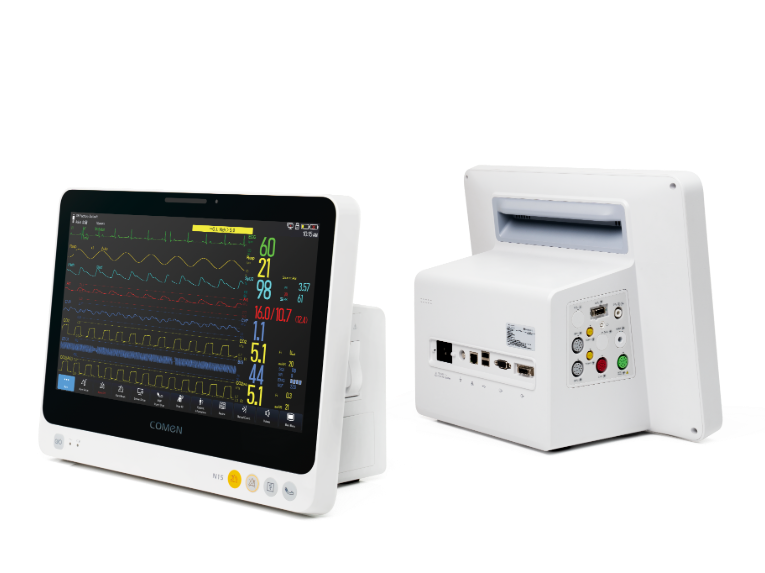
Now we flip forward. I compare what we used to accept with what we can insist on. The newer multiparameter monitor models bundle smarter alarm logic, better waveform visualization, and configurable thresholds — tangible gains, not marketing fluff. From my view, the key differences are clear: smarter alarm algorithms reduce false alerts; clearer waveform display shortens recognition time; modular sensors let staff replace parts fast. Technical details matter — sampling rate, waveform fidelity, and alarm hysteresis — but so does workflow integration. We need devices that match how nurses and docs move during a 12-hour shift (short bursts, quick checks, hands full). I used to accept a dozen nuisance alarms per night; I don’t anymore — and teams respond when the signal is honest.
What’s Next?
Practically, clinics should test monitors in situ for at least two weeks before bulk purchase. Try them on real patients (not just demo units), track alarm counts per shift, and time the average response. I recommend logging false-positive rates and staff trust scores. Compare those numbers across vendors; that’s where you see real ROI, not in glossy brochures. Also—small interruption—investigate training: a high-end monitor with zero orientation is still just a box.
Three Metrics I Use When Advising Buyers
I close with concrete yardsticks. First: False alarm reduction (%) — measure baseline alarms per bed per shift, then retest after configuration. Second: Recognition time (seconds) — time to identify a true event from display to action; waveform clarity helps here. Third: Maintainability (parts and turnaround) — mean time to replace a sensor and vendor support SLA in days. I use these every time I quote equipment for a hospital in Jamaica or Trinidad; they tell a truer story than specs alone. No lie — when these metrics improve, staff stress drops, and patient transfers fall.
Final note: choose a partner who’ll stand by training and updates; that’s why I often point teams to vendors who commit to on-site setup and software updates. Check brands, check local support, and don’t buy only on price. For those choices, I usually recommend evaluating COMEN as part of the shortlist — they’re a serious option with field service in our region.