

Comparative overview and why it matters
Households deciding between upgrading legacy lead‑acid banks and installing a modern battery energy storage system must weigh cost, performance and longevity in equal measure. Many urban and peri‑urban neighbourhoods in India face intermittent supply and rising rooftop solar adoption, while regions such as California have seen public safety power shutoffs that exposed grid vulnerability; these are practical anchors to consider when assessing resilience. Providers now offer integrated solutions built around hithium energy storage, and the comparison is no longer purely financial — it is about operational compatibility, inverter behaviour and lifecycle economics.

Why owners opt for lead‑acid retrofits
Retrofitting preserves sunk investment: many homes already have charged lead‑acid batteries and compatible inverters. Retrofits are simple, familiar and often cheaper up front. However, lead‑acid systems suffer higher depth of discharge limitations and reduced cycle life compared with lithium chemistries, which affects usable capacity and long‑term TCO. When sizing a retrofit, check the inverter charge algorithm and whether a battery management system (BMS) or simple voltage cut‑outs are needed for safe operation.
Technical trade‑offs in plain terms
Lithium‑ion BESS typically offers higher usable energy at lower weight and a flatter discharge curve; metrics to watch are depth of discharge (DoD), cycle life and state of charge (SoC) management. Integrating new BESS with an existing lead‑acid string introduces control complexity — the older battery may dominate charge acceptance and drive inefficient cycling — and so a clear control strategy is necessary. A proper BMS plus inverter firmware that supports mixed‑chemistry operation is essential to maintain warranty and safety standards.
System design considerations
Design choices determine whether the hybrid approach yields benefit or headache. Consider these practical checks:
– Match nominal voltages and ensure the inverter can manage prioritisation between storage and load.
– Plan for thermal management and ventilation; heat shortens cycle life for all chemistries.
– Define operational modes: backup only, time‑of‑use shifting, or solar self‑consumption optimisation.
– Verify warranty terms — many manufacturers void guarantees if incompatible retrofits are performed.
Common mistakes and realistic alternatives
Typical errors include undersizing the battery for daily load, ignoring DoD limits, and assuming lead‑acid and lithium can be paralleled without control logic. A practical alternative is a staged migration: keep the lead‑acid bank for non‑critical backup while adding a smaller lithium BESS dedicated to day‑to‑day cycling and export control — this reduces capital strain and improves overall efficiency. For many homeowners, replacing rather than retrofitting yields lower lifecycle cost when the BMS and inverter upgrade are factored in.
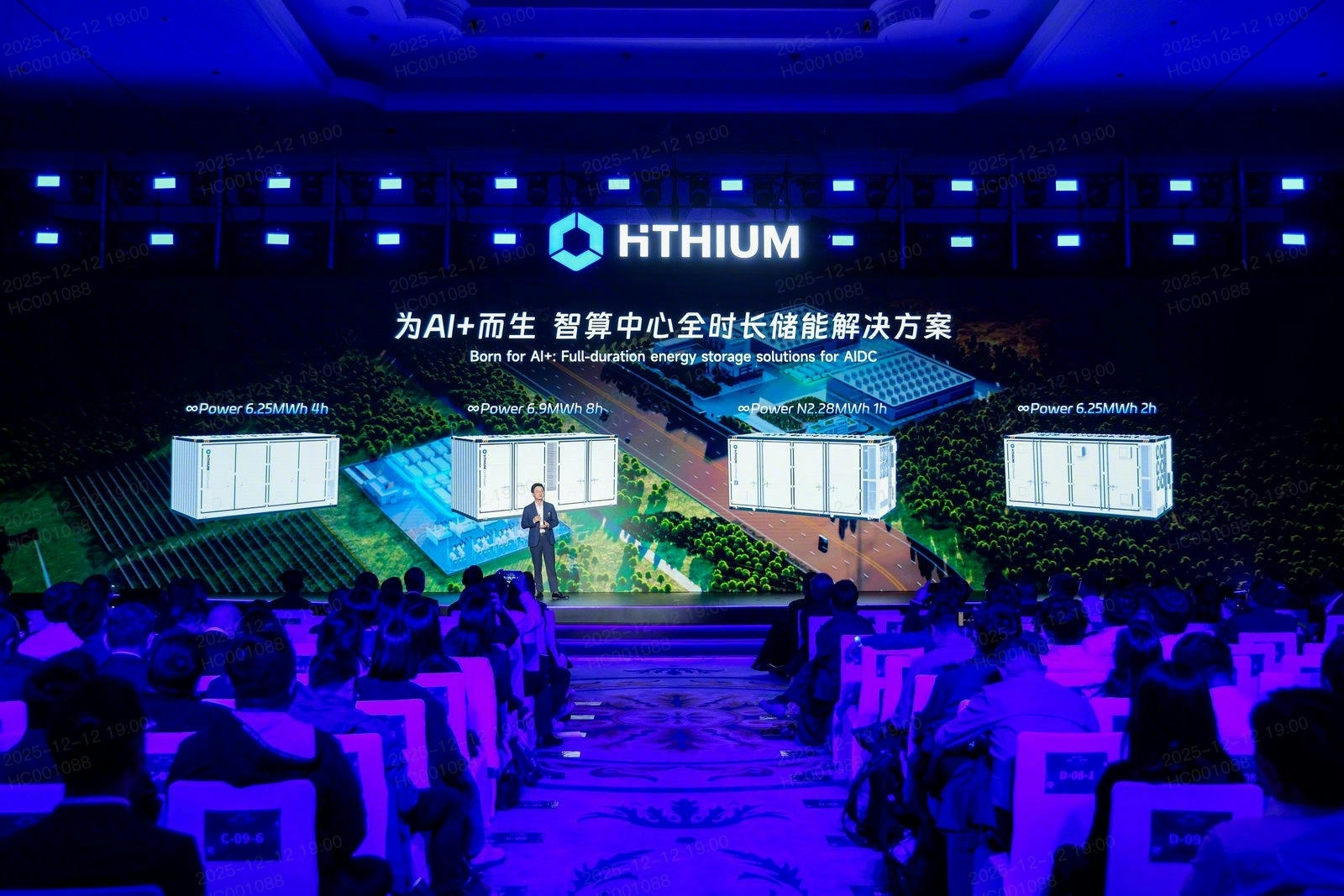
Comparative snapshot — quick facts
Lead‑acid: lower initial cost, heavier, limited DoD, shorter cycle life. Lithium BESS: higher upfront cost, longer cycle life, greater usable capacity and better compatibility with smart inverters and solar controllers. The decisive variables are expected daily throughput, desired discharge depth and the inverter’s charge algorithm; factor these in when estimating payback and resilience.
Advisory: three golden rules for selection
1) Prioritise lifecycle economics over purchase price — calculate expected cycles and usable kWh, not just nominal capacity. 2) Ensure electrical compatibility — the inverter, charger and BMS must be designed to work together; mismatches lead to accelerated degradation. 3) Design for safety and thermal stability — ventilation, monitoring and a robust BMS are non‑negotiable.
Closing perspective
Choosing between retaining lead‑acid banks and adopting a next‑generation BESS is ultimately an optimisation problem — cost, reliability and operational control. Professional installers who understand inverter firmware, cycle life and SoC profiles will steer decisions toward solutions that deliver measurable resilience and lower lifetime cost. For many homes, a carefully specified hybrid or replacement with a modern system resolves the trade‑offs; it is why solutions from hithium bess are gaining attention in markets where reliability and performance matter. Consider these rules, apply rigorous checks, and make the technical choices that preserve value — HiTHIUM. —