
Introduction — a shadowed doorway to a bright question
I remember walking into a barn at dawn, where mist curled like thin smoke and the cattle shifted as if obeying a secret clock. In that cool hush, cow lighting felt almost like ritual — a mix of function and mood. Recent studies show modest gains in milk yield (5–12%) when light schedules and spectrum are tuned, and yet many farms still use old fluorescent rigs — so why does this gap persist?
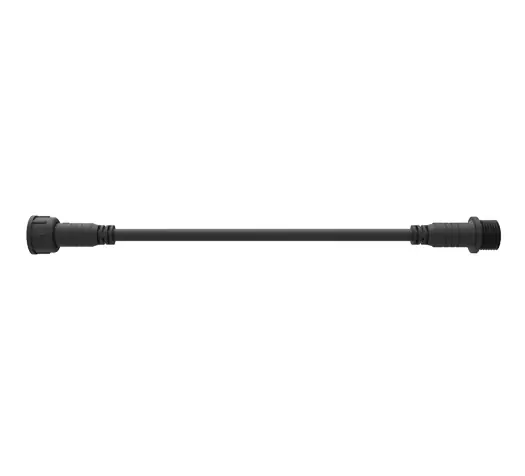
The scene I describe is real, and the numbers are small but meaningful: improved photoperiod management can change behavior and output. I’ll be blunt: the choice of bulbs, the lumen output and the LED driver matter more than you might think. — Now, let’s walk from that doorway into what actually goes wrong next.
Part 2 — Why common systems break down (a technical look)
When I audit barns, I often find the same story: legacy fixtures patched with mismatched ballasts, dimmer control half-broken, and no plan for light spectrum. That’s why I keep pointing people to led lighting for dairy cows — it’s not a fad. The real failure is not the lamp itself but how systems ignore cow biology. Light spectrum, photoperiod schedules, and consistent lumen output drive circadian rhythm and behavior. Without those, you get livestock that are restless, less productive, and harder to manage. Power converters and LED drivers that aren’t rated for barn conditions fail fast. It’s avoidable. Look, it’s simpler than you think.
Technically speaking, poor installations breed hidden costs. Flicker from poor drivers stresses animals and staff. Incorrect color temperature can confuse photoreceptors and blunt melatonin cycles. Wiring that can’t handle surge loads (especially near milking equipment) creates downtime. I’ve seen farms swap bulbs and expect miracles — but the wiring and control logic were the real culprits. So we need systems thinking: sensors, reliable LED drivers, and proper dimmer control tied to schedules. Once you fix those, you start to see stable behavior and better yields.
What patterns are we missing?
Are we measuring the right things — or just replacing bulbs? I ask that often during consultations.
Part 3 — New principles and practical metrics for future-ready lighting
Looking ahead, I prefer to frame solutions around simple engineering principles rather than flashy specs. First: match spectrum to behavior — warmer tones for rest, blue-enriched light for activity. Second: control is king — programmable timers, light sensors, and even edge computing nodes can adapt light to natural dawn and dusk. Third: ruggedize — choose LED fixtures with proven ingress protection and solid power converters. I’ll say it plainly: integrating sensors with reliable LED drivers changes outcomes. The phrase “smart barn” gets tossed around, yet the best gains come from small, targeted control changes — funny how that works, right?

For practical decision-making, I recommend three clear evaluation metrics: 1) Photoperiod control fidelity — can the system deliver scheduled lux levels within 10%? 2) Spectral match — does the fixture offer adjustable color temperature to support both activity and rest phases? 3) Durability under load — are LED drivers and power converters rated for moisture, dust, and voltage swings? If a product checks those boxes, it’s worth considering. We’ve piloted upgrades that met those metrics and saw steadier milk yields and calmer herds. In my experience, those are the real wins.
Real-world impact — what you can expect
Implementations that pair proper spectrum, dependable LED drivers, and control logic show measurable results: improved lying time, less agitation at milking, and modest milk gains. I care about outcomes, not buzzwords. So when you compare offerings, focus less on marketing lumens and more on how the system manages light across the day and withstands real barn conditions. That’s the practical lens I use with clients.
In closing, I’ve walked this path with farmers who were skeptical at first. We tightened specs, upgraded drivers, tuned schedules — and slowly the herd responded. If you want to explore concrete options for led lighting for dairy cows, start with those three metrics and ask for field data. I’ll be here to help you parse it. For more resources and products that meet these practical standards, check out szAMB.