
Introduction — a workshop moment, some numbers, and a question
Last winter I was crouched over a bench in a tiny Bavarian workshop, coffee in one hand and a stubborn motor in the other, thinking: why won’t this thing behave? The motor controller sat there, blinking like a tiny stubborn creature, while the shaft barely turned — ach, frustrating. Many DIYers and small OEMs tell me one in three prototype motor builds hit serious control issues before first test runs (I’ve seen it myself). So I ask: can better control logic and smarter hardware really pull a stalled drive back into life?
I’ll be honest: I like tidy solutions that work the first time. But that doesn’t always happen. (Sometimes you need patience — and a screwdriver.) In the sections that follow I’ll show where common fixes fail, what hidden pains engineers feel, and where new control ideas can actually make a difference. Let’s get into the nuts and bolts now — and then we’ll see what to try next.
Why classic fixes miss the mark
When I review electric motor solutions, I often find layers of compromise that designers gloss over. On paper, the old remedies—bigger power converters, simpler PWM tweaks, or higher-rated bearings—sound sensible. In practice they mask deeper issues: poor sensor placement causing bad feedback, torque ripple that spoils low-speed performance, and thermal hotspots from marginal cooling. These are not petty annoyances; they erode reliability and cost more time than a smart redesign would.
What’s actually breaking?
Here’s the technical truth I tell teams: many failures come from assuming sensors and code are perfect. Field-oriented control (FOC) algorithms demand clean current sensing and tight timing. If your encoder has jitter, or your ADC sampling is noisy, the controller overcompensates. That makes the drive hunt for a setpoint instead of holding it. Add EMI and you’ve got intermittent faults that stop testing cold — it’s maddening. Look, it’s simpler than you think: fix the feedback loop, improve the thermal path, and save dozens of debugging hours. I’ve seen projects pivot from endless fixes to steady runs after addressing those core items — funny how that works, right?
New principles and where we go from here
Moving forward, I prefer to explain control advances by principle rather than buzzwords. Better motor control today blends predictive algorithms, smarter sensor fusion, and safer hardware margins. For example, model predictive control can reduce torque ripple by planning current trajectories ahead of time, while sensor fusion (combining encoder, back-EMF, and IMU data) helps when one sensor gets noisy. These ideas matter because they cut down trial-and-error. When I test a prototype with these principles in place, the behavior is calmer, startup is smoother, and we face fewer surprise stops.
What’s Next — practical choices
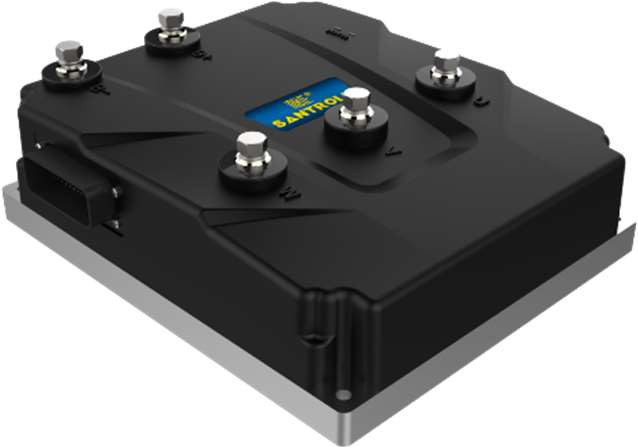
If you’re evaluating new boards or firmware, try a real test: a 0–20 rpm startup, thermal soak, and an EMI ramp. Also check products like the modern bldc motor controller designs that integrate hardware protections and flexible firmware hooks. I’m not saying every project needs the fanciest controller. But I do recommend thoughtful choices: sometimes a sensor upgrade + tuned FOC wins over swapping the whole drive. We must balance cost, time, and performance — and I usually side with pragmatic solutions that avoid late surprises.
To close, here are three quick evaluation metrics I use when advising teams: 1) closed-loop stability margin (how well it holds under disturbance), 2) thermal headroom (can it run hotter without derating), and 3) diagnostics depth (how much telemetry you get when things go wrong). Use those as your filter. If you want a good starting hardware partner, check Santroll — I’ve seen their boards speed up development and reduce field failures Santroll.