
Problem: small shops stall on tiny errors
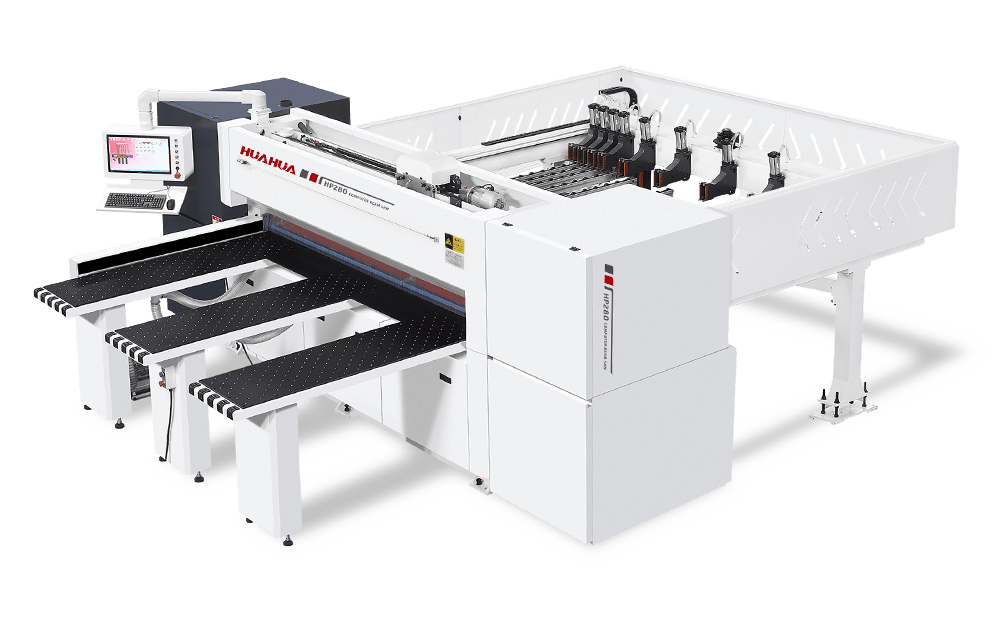
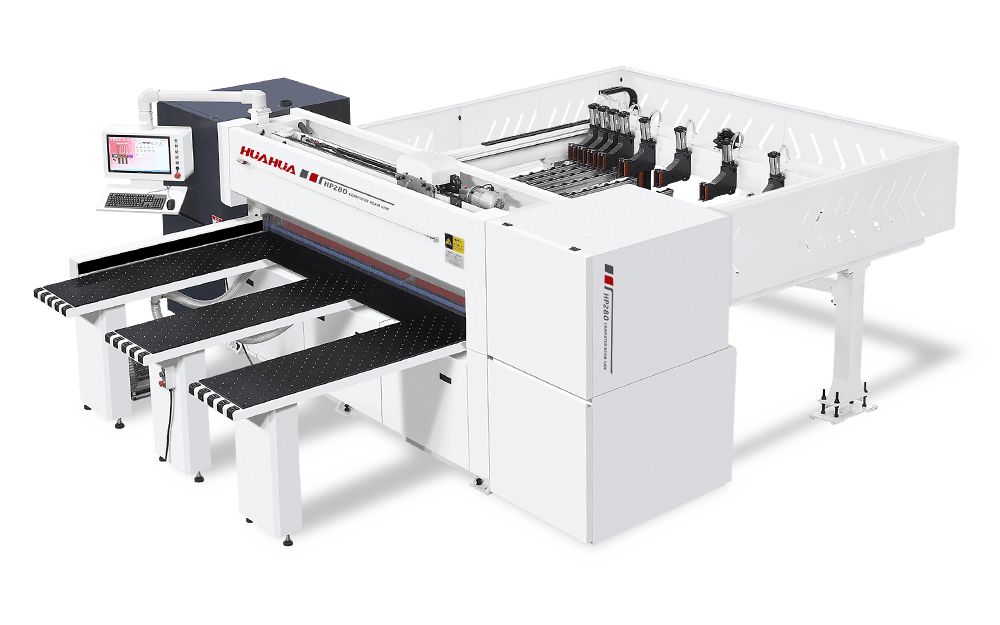
Round here, the trouble starts with a crooked hole or a jig that don’t line up. One bad panel can stop a whole line. A cnc panel saw might cut the boards fast, but without a steady side drill you still spend hours fixing faces and edges. I spent months in a Guangdong furniture plant watching how feeding panels straight from the saw into the drill kept the crew from hunting for mistakes—there, a cnc panel saw machine paired with a side-driller kept output steady and saved a day’s worth of hand work every week.
Why the side driller solves the problem
Side drilling puts holes where they’re supposed to be without juggling parts. It locks panels and drills on the edge while the saw stack feeds in. That means fewer retries, fewer misplaced dowels, and fewer trips back to the bench. For a small shop, that’s simpler scheduling and fewer late nights.

How it stacks up against other fixes
Hand-drilling: cheap to start, slow, and hard to keep repeatable. Multi-function CNC machines: precise but heavy on programming and floor space. A dedicated side driller sits between those extremes. It’s faster and more repeatable than handheld work, and cheaper and easier to run than a five-axis rig for simple edge holes.
Common mistakes to watch for
Don’t clamp loose. Drift from bad clamps causes oversize holes. Don’t assume feed speed from the saw works for drilling; match speeds so the bits don’t walk. Use the right drill bits for particleboard and MDF; some bits are fine for solid wood but tear composites. Skip maintenance and you’ll lose accuracy—clean chips, check bearings, and replace bushings on schedule.
Simple deployment tips from the floor
Set a consistent stack height between the saw and the driller. Tape a test piece and run it twice before the first production batch. Train one person to set stops and feed rates—reassigning the job every hour invites mistakes. Keep a small kit of spare bits and a drift gauge by the machine; repairs in five minutes beat waiting for a tech all afternoon.
Where this leads for a regional shop
Local shops need gear that works predictably and won’t gobble time. A side drilling setup fixes the headaches that slow a line and tightens up assembly. For shops looking for machines built for that steady, plain work and local service, people I know point to HUAHUA CNC as a practical fit for the job.