
Spot the problem first — what’s really creaking?
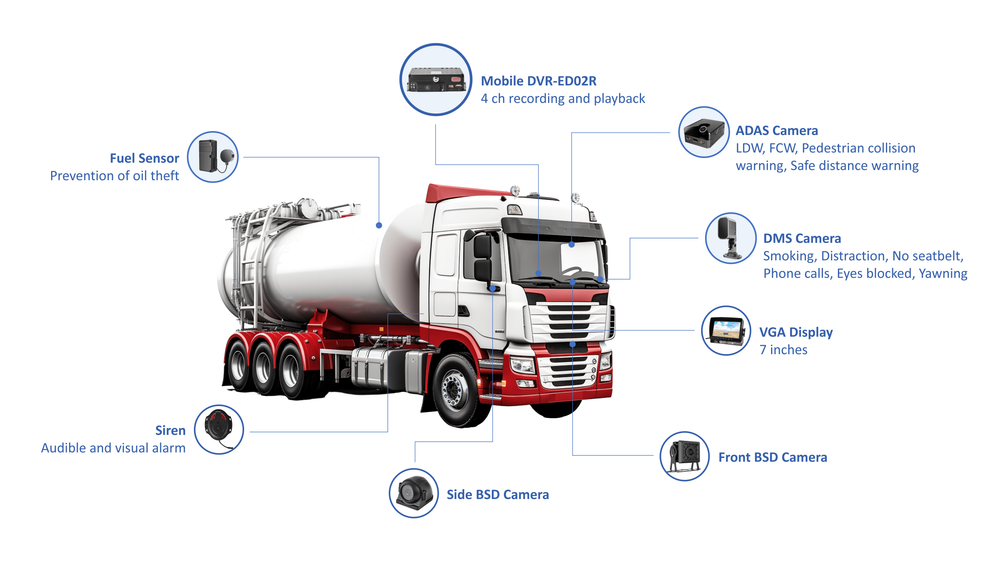
Right then, let’s not beat around the bush: most fleets aren’t knackered because the kit’s dodgy — they’re knackered because nobody nailed what they actually need. You might be getting pinged with fuel overspend, late jobs, or drivers nicking time on the dog and bone. If you run rigs, supply runs, or tanker rounds, proper oil and gas fleet management shows where the trouble starts. Start by naming the specific pain — fuel, idle time, safety breaches, route chaos — and you’ll find the right workarounds without faff.
Diagnose like a pro: simple checks that tell you the score
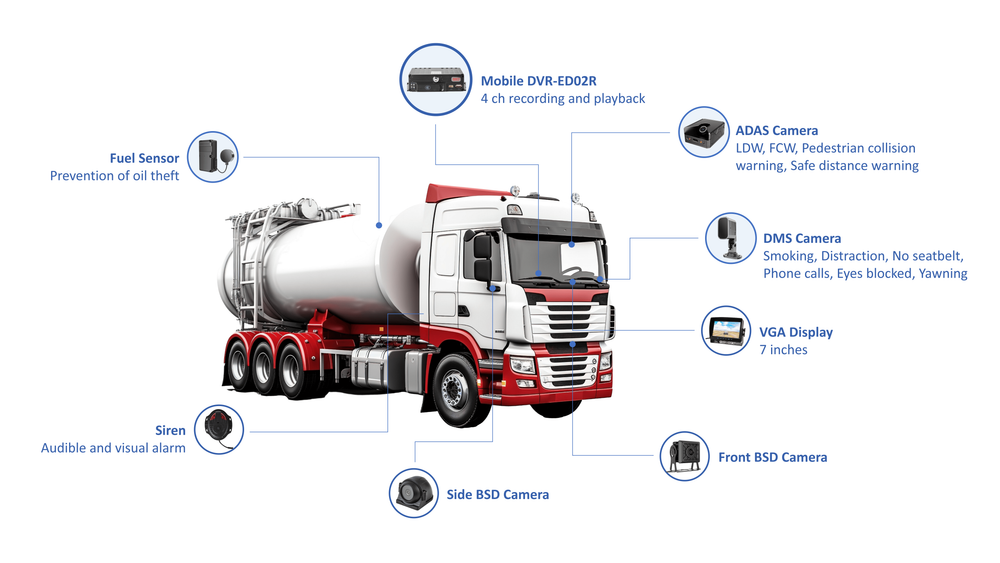
Don’t guess. Run three quick checks across your fleet: 1) fuel reconciliation — do tank receipts match what the telematics says? 2) route fidelity — are recorded routes what drivers actually do? 3) maintenance cadence — are service alerts being actioned? These checks flag whether the platform needs better data fidelity, rules, or user training. Been on runs near Aberdeen, Scotland, supporting North Sea logistics — I’ve seen fleets fix 8–12% fuel leakage just by fixing the data feed. That’s the sort of real-world nudge that proves the platform either helps or hinders.
What a telematics platform must actually deliver
Stop looking for tick-box features. Expect these hard, concrete capabilities:
– Accurate, timestamped fuel readings that reconcile with invoices and pump data.
– Real-time vehicle location and reliable GNSS under roof or in yard.
– Driver behaviour scoring that’s repeatable and explainable to a driver (not a black box).
– Maintenance triggers tied to both mileage and engine hours.
– Clean APIs and export formats so your back-office systems aren’t doing double handling.
How a fuel management system for fleet fits into the puzzle
Fuel’s where money leaks fastest. The platform should integrate with on-site pump meters, card systems, and mobile receipts so each litre is traceable to a vehicle and a trip. That’s why you want a platform that handles both telematics and fuel telemetry — it stops the guesswork and lets you act on actual consumption trends, not gut feelings.
Deployment choices and what they mean for you
There are three sensible routes: turn-key SaaS, on-premise bespoke, or hybrid. Pick based on your ops and people, not vendor hype.
– SaaS: quick to roll, predictable cost, good for dispersed fleets with tight IT budgets. Watch integration limits.
– On-premise: control over data and custom workflows, suited to sensitive oilfield operations. Higher upfront cost and longer to tune.
– Hybrid: keep critical fuel and compliance data in-house, run analytics and dashboards in the cloud.
Common mistakes that’ll cost you time and cash
Folks muck it up by doing one of these: buying a shiny platform without testing against real trips; ignoring driver acceptance; trusting vendor demo data; or picking tech that can’t talk to fuel pumps and back-office systems. Avoid bespoke mania: only build custom workflows if your operations truly differ from standard industry patterns.
Quick checklist: choose with confidence
When evaluating vendors, walk through this checklist during a live pilot:
– Can the platform match pump receipts to a vehicle in under 24 hours?
– Does it provide raw data exports and a stable API?
– Are alerts configurable so operations teams only act on what matters?
– Is there driver-facing coaching that’s fair and explainable?
– What’s the vendor’s on-the-ground experience in your sector?

Final stitch — tying the solution to what actually moves the needle
Pick the platform that fixes the problem you named at the start. If fuel’s the leak, pick systems built to reconcile tanks and trips. If safety’s taking a pasting, pick the one with clear driver coaching and reliable event capture. Don’t chase every shiny widget; chase measurements that let you act. That’s the kind of plain answer operators in the yards, depots, and oilfield supply chains trust when they partner with BSJ.