
Where the problem starts
Folks, most fleet trouble ain’t mystery — it’s a stack of small, gnawin’ problems piling up until buses sit idle and riders get mad. Start by talkin’ to fleet telematics technology providers about what your fleet actually reports versus what you think it reports; that conversation tells you if you’ve got signal, sensors, or just noise. I’ve seen agencies patchin’ dashboards without fixin’ root causes — that wastes money and trust faster than a flat tire on Route 66.
Pinpoint the highest-cost issues first
Don’t chase every shiny metric. Focus on what drains budgets and service: unscheduled downtime, overconsumption of fuel, repeat roadcalls, safety incidents, and missed maintenance. Rank those by direct cost and frequency, then target the low-effort, high-impact fixes first. Keep this short list handy:- Unscheduled downtime: track root causes by vehicle class.- Fuel anomalies: separate driver behavior from mechanical faults.- Safety events: triage with video + telematics timestamps.- Compliance lapses: map them to routes and schedules.
Quick wins you can roll out this month
Get tangible results before budgets get poked. Quick moves that pay back fast:- Enforce routine pre-trip checks and log defects digitally.- Calibrate tire pressure and engine idle limits—small savings, big reliability gains.- Implement driver coaching using trip replay snippets rather than long lectures.- Centralize spare-parts ordering around high-failure items.
Choosing hardware: MDVR and the things that matter
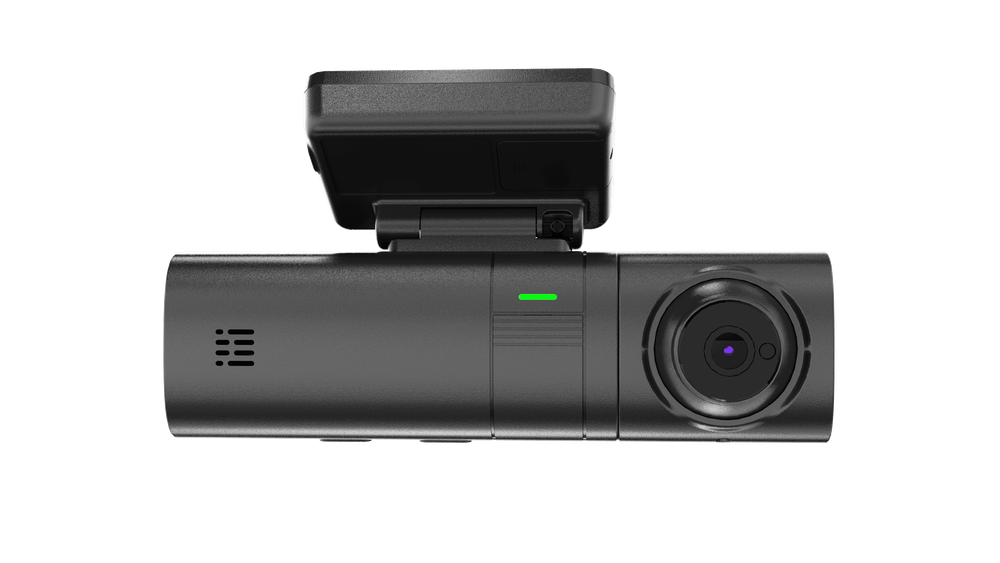
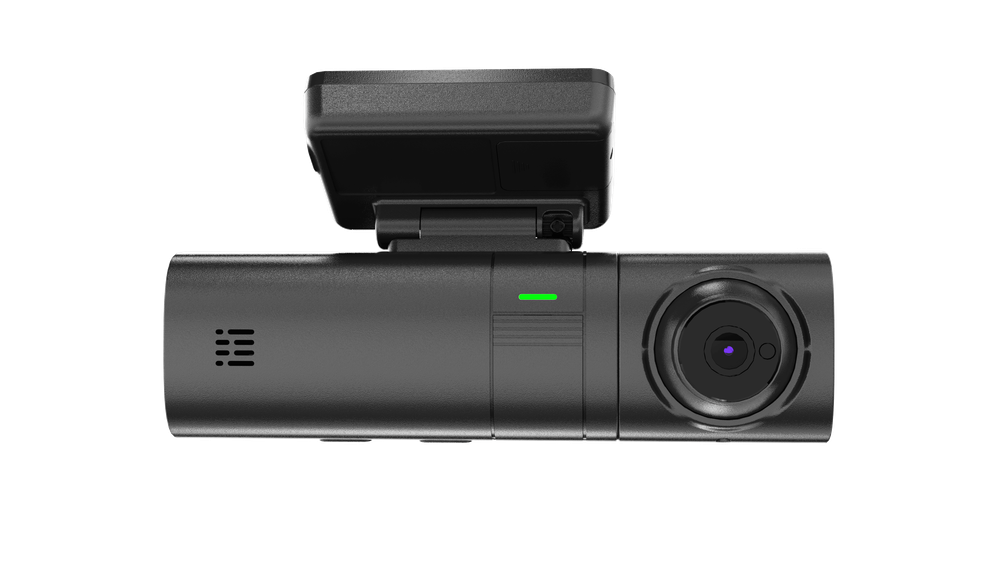
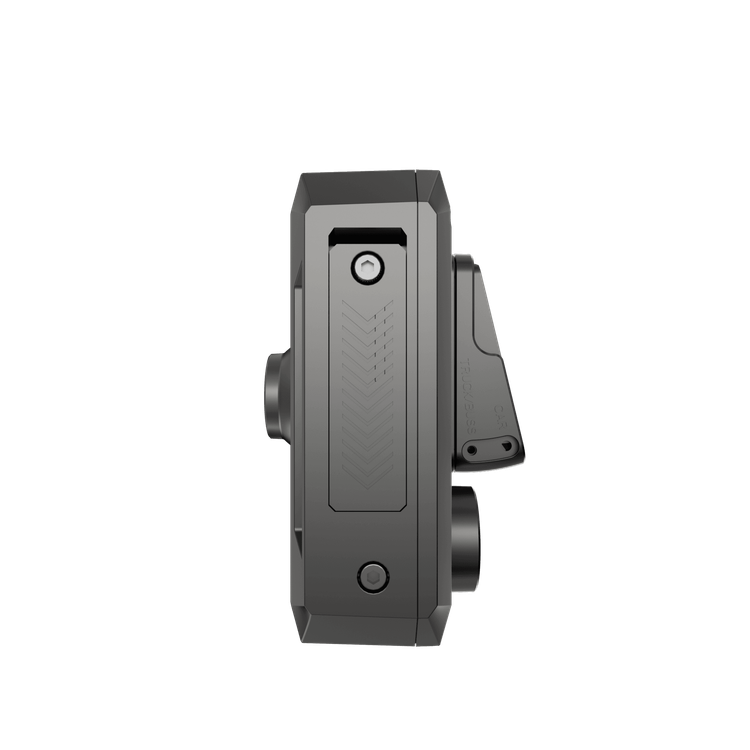
Hardware choices make or break projects. When folks talk MDVRs, ask about reliability, firmware update policy, storage encryption, and whether camera timestamps sync to GPS. A lot of manufacturers demo shiny features at trade shows like Busworld Europe; use those demos to shortlist, then put devices through a short soak test on your toughest routes. Talk with the mdvr manufacturer about warranty terms and a clear support SLA before you buy a single unit.
Integrate telematics data without getting locked in
Data’s useful only when you can act on it. Standardize on a small set of event definitions (engine fault, harsh braking, door-open) and insist vendors expose straightforward APIs or standard formats. Keep raw feeds for at least 90 days so you can replay incidents. Consider separating live operational feeds from archival storage so you don’t get bill shock. If a vendor makes you choose between visibility and ownership, move on.
Common pitfalls that chew up time and trust
Watch for these traps:- Buying because a product looks slick, not because it solved your problem.- Skipping driver input during rollout—drivers spot real faults first.- Overly complex dashboards that nobody uses.- One-off integrations that break on the next firmware update.Fix those and you’ll avoid months of rework.
The first 90 days: an actionable checklist
Concrete steps you can tick off:1) Baseline — gather last 12 months of downtime, fuel, and safety data. 2) Pilot — equip 5–10 buses on worst routes with new MDVRs + telematics. 3) Measure — compare uptime, fuel use, and incident rates against baseline. 4) Coach — run short, targeted driver coaching sessions using recorded clips. 5) Procure — standardize hardware and parts after pilot proves reliability. 6) Document — set firmware update cadence, data retention policy, and SLA clauses.
Wrap-up: practical value that lasts
Do the work in this order: diagnose what truly costs you money, run small pilots, pick hardware that answers your questions (and tests well), then lock in straightforward data access and support terms. For many transit shops, choosing a partner that handles telematics, MDVR provisioning, and integration without obfuscation makes rollout less painful — a single vendor approach like BSJ often smooths those handoffs and keeps teams focused on running buses, not wrestling integrations.