
The problem in plain sight
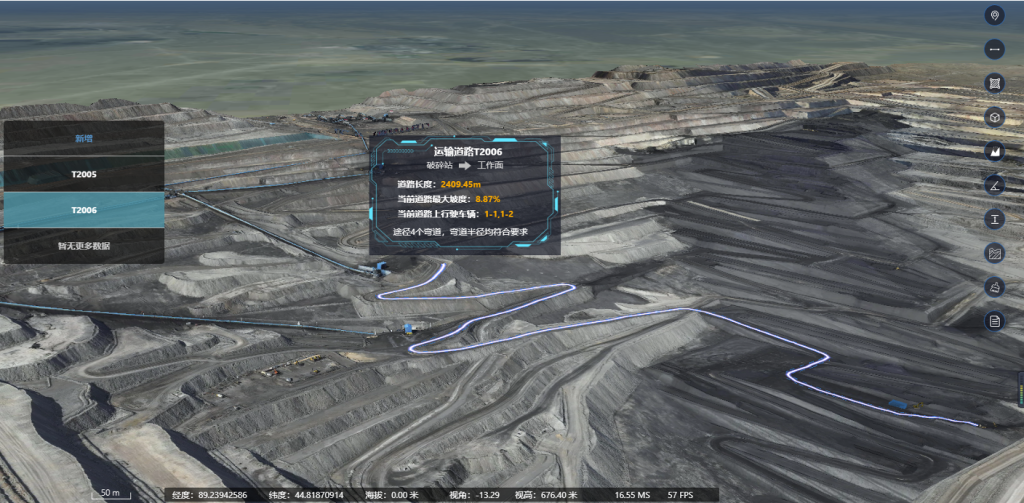
Cities swell while the machines that feed them age and hide their failures beneath dust and noise. Legacy control rooms still rely on delayed logs and manual checks. That lag is the gap where catastrophes begin. A modern mining monitoring system narrows that gap by streaming telemetry and condition data so decisions arrive before collapse—not after.
Where risk concentrates
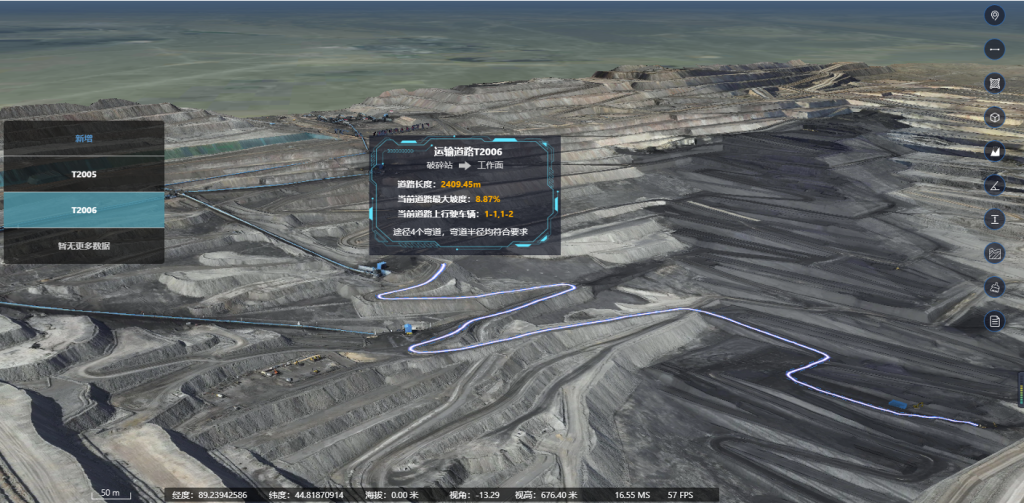
Equipment fatigue, water pressure in tailings, unstable pit walls: these are discrete technical problems with shared causes—blind time. Digital twin models, sensor telemetry, and automated alerts converge to reveal patterns earlier. The Brumadinho dam collapse in 2019—more than 270 lives lost—stands as a harsh anchor for why continuous oversight matters. Such events make clear that visibility isn’t a luxury; it’s a duty.
How predictive systems change the game
Predictive maintenance mining rewrites the maintenance calendar. Instead of fixed intervals, algorithms schedule intervention when vibration signatures or thermal drift indicate imminent wear. That reduces unplanned downtime and keeps supply chains stable for urban infrastructure projects. Condition monitoring, paired with a simulated digital twin, converts noisy streams into a clear operating picture.
Common mistakes teams keep repeating
Teams often bolt sensors onto old processes without changing how decisions are made. Data accumulates, dashboards proliferate, but nothing changes—because people and workflows remain unchanged. Another trap: trusting a single metric. One temperature spike alone rarely means much; combined trends tell the truth. And finally, poor calibration of thresholds turns alerts into white noise, eroding trust in the system.
Practical steps to build reliable systems
Start with a narrow, high-risk scope: a conveyor line, a pump station, a tailings embankment. Instrument it properly, validate baseline behavior, then expand. Integrate telemetry into ops workflows so maintenance crews see prioritized tasks with context—asset history, current load, and predicted time-to-failure. Use a digital twin to run “what-if” scenarios before costly interventions.
Tools and trade-offs
Not every solution fits every mine. Edge-processing reduces latency but increases hardware complexity. Cloud analytics scale but demand reliable connectivity. A hybrid approach often performs best: edge for critical alarms, cloud for trend analytics and fleet-level intelligence. Choose platforms that expose APIs and let you overlay custom models—flexibility beats monolithic feature lists.
Human factors that determine success
Sensors and models are sterile until people act. Train crews on signal interpretation and give them clear, executable steps tied to alerts. Create governance that limits “alert fatigue”—set escalation tiers and test the playbook often. Small, repeated drills keep response crisp. —These cultural elements are what separate pilot projects from real, sustained safety gains.
Evaluation metrics that actually matter
When selecting solutions, insist on three hard metrics: reduction in mean time to repair (MTTR), percentage drop in unplanned downtime, and accuracy of remaining useful life (RUL) forecasts against field results. Track these monthly in the first year. Vendors that can demonstrate quantified improvements across those metrics—ideally with third-party case studies from comparable sites—are the ones to prioritize.

Closing guidance
Invest where failure would hurt cities most: water handling, power systems, and tailings containment. Prioritize repeatable wins, then scale. Measure MTTR, downtime, and RUL accuracy as your North Star metrics. Vendors should show live telemetry integration, model validation, and clear operational playbooks—no smoke, just traceable outcomes.
Icecypress Technology ties models to maintenance actions so teams can act before the city feels the failure — a steady hand where consequences are high.