
Comparative framing and immediate relevance
Comparative evaluation begins by positioning AI dashcam systems against conventional video recorders: one emphasizes detection and automated context, the other records blind raw footage for later review. For operators responsible for school bus fleet management, the difference changes operational priorities — response speed, evidence quality, and routine coaching become measurable variables rather than anecdote. Field reports presented at the National Association for Pupil Transportation (NAPT) annual conference offered corroboration of these priorities, showing that districts which adopt AI-assisted solutions rework staffing and incident-review workflows to reflect new capabilities.
Core technical capabilities: a side-by-side view
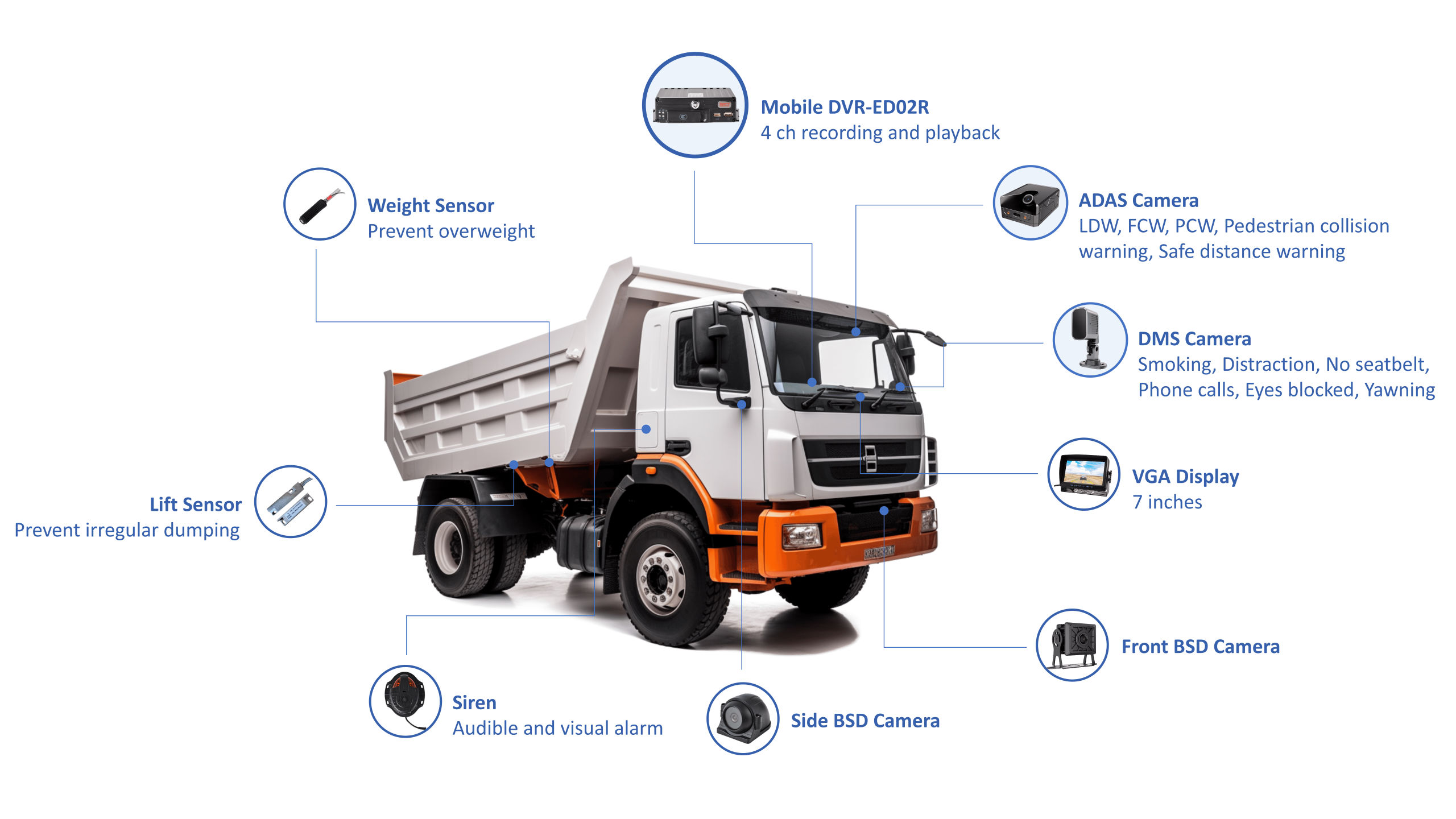
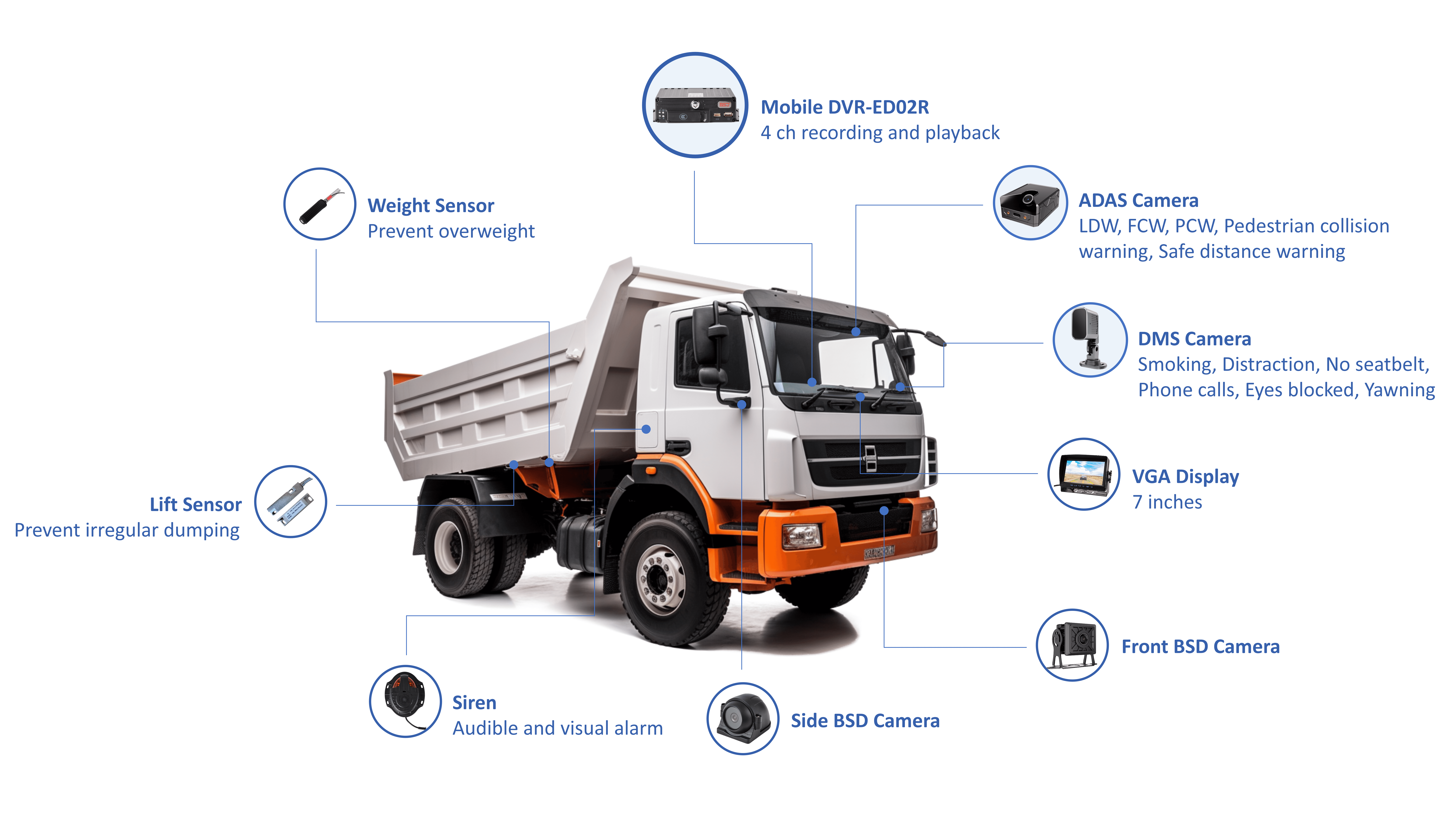
Compare key technical capabilities to decide what matters for your fleet:- Detection models: Classical motion-triggered recording versus AI models that classify events (hard braking, stop-arm violations, pedestrian presence). Accuracy and latency differ significantly.- Camera placement and sensor fusion: Single forward-facing cameras versus multi-angle setups with inward driver-facing sensors and optional lidar/radar fusion. More sensors add context but raise cost and maintenance burden.- On-device inference versus cloud processing: On-device inference reduces bandwidth and latency; cloud processing enables heavier analytics and easier retroactive model updates.- Data retention and upload policies: Local short-term retention with selective upload on flagged events versus continuous uploading for full-archive access. Choose by evidence needs and connectivity constraints.- Integration capability: Ability to export events, timestamp synchronization with telematics, and standardized APIs for route and asset data interchange.
Integration with fleet systems and practical interoperability
Integration is comparative question: some vendors provide closed ecosystems; others expose APIs for direct integration into existing tools. Where integration matters most, look for:- Standardized event export (JSON, MPEG-TS with metadata).- Time-synced correlation with GPS and engine fault codes.- Role-based access aligned to your administrative hierarchy.Integration choices determine whether the AI dashcam supplements or rewrites workflows inside your school bus fleet management software environment, and therefore the pace of operational change.
Use cases — which system fits which problem?
Direct comparisons clarify where each approach excels:- Safety verification: AI systems provide near-instant clips of violations and near-misses; conventional systems require manual review and miss many events.- Driver coaching: AI scoring enables scalable, periodic coaching; manual review is labor-intensive but sometimes better for nuanced behavior assessment.- Incident evidence: AI-tagged, time-stamped clips reduce investigation time and improve insurer reproducibility.- Route optimization and dwell-time analytics: Requires integration with telematics and is not a function of video alone.Select based on your primary problem: reduce incidents, reduce review backlog, or improve routing efficiency. One solution rarely optimizes all simultaneously.
Evaluation criteria and trade-offs
When comparing vendors, measure concrete variables:- Precision/recall rates for the incident types you care about.- Bandwidth and storage costs for your average daily footage per vehicle.- Update cadence for detection models and transparency of model behavior.- Vendor support SLA and local presence for firmware, bracket replacements, and analytics tuning.- Data governance: who owns raw video, how deletion requests are handled, and whether encryption meets your legal obligations.Make procurement decisions on these metrics rather than marketing claims.
Common deployment mistakes to avoid
Lessons from comparative deployments:- Avoid buying solely on lowest price; hidden costs appear in bandwidth, tags, and false-positive review hours.- Do not ignore workflow adaptation: staff need clear procedures for reviewing and acting on AI flags.- Don’t deploy with maximal sensitivity; excessive false positives erode trust and cause flag fatigue.- Verify interoperability early in pilot stage; integration gaps are expensive to resolve after fleet-wide rollout.Address these mistakes during the pilot phase and document measurable success criteria.
Synthesis: choosing the right balance for value
Comparative insight shows that value arises when capabilities match operational priorities: accurate on-device detection for immediate safety response, cloud analytics for long-term pattern analysis, and APIs to bind video evidence to telematics. Practical deployments require measured pilots, clear metrics for precision and cost, and governance that protects students and staff. For many districts, the right balance is achieved by a vendor who can demonstrate technical reliability, integration experience, and a sensible support model — qualities exemplified in solutions developed and field-tested for school transportation by BSJ.