
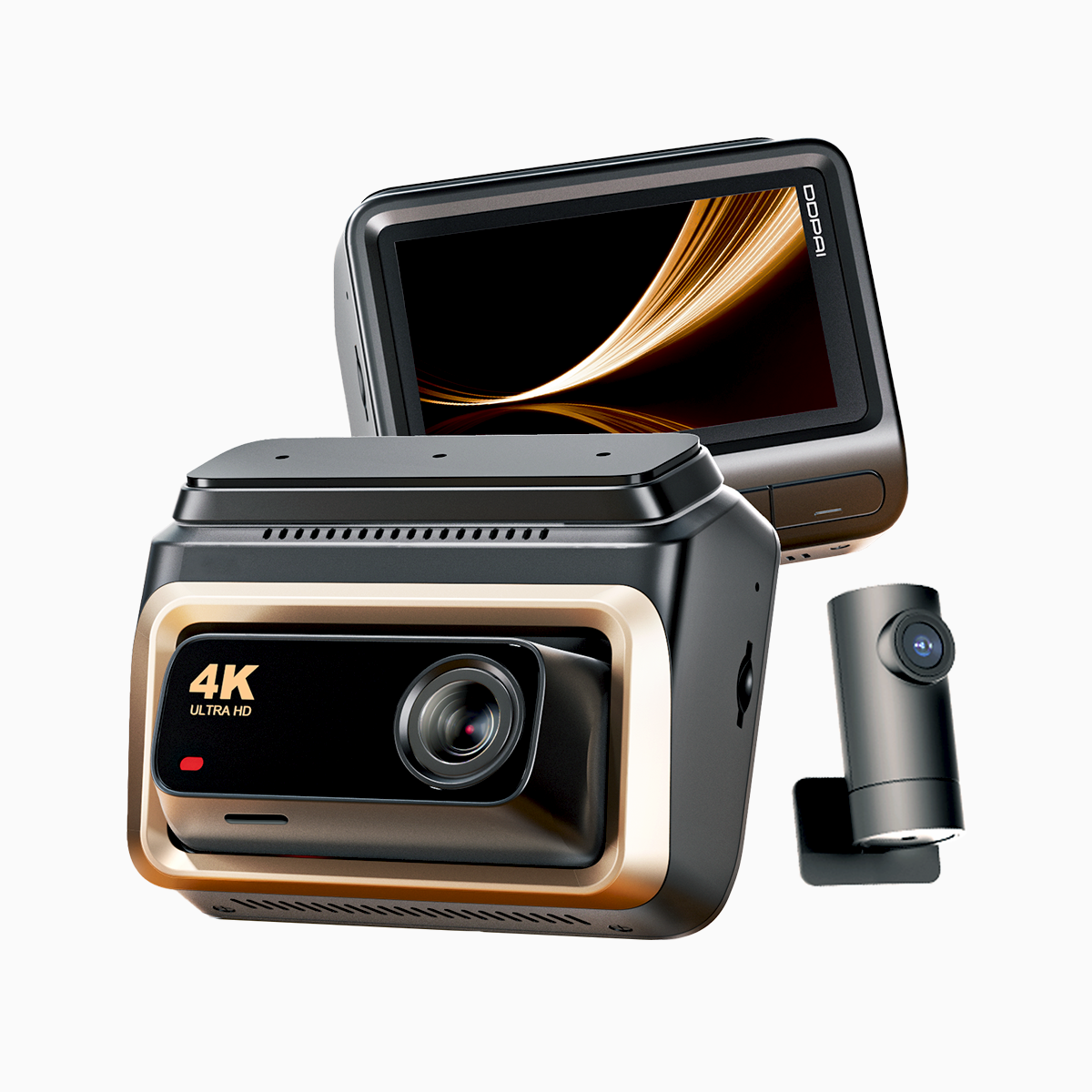
Problem statement: why calibration matters now
Fleet managers and safety leads face a clear problem: ADAS alerts that are either too sensitive or too lax erode trust and create false positives that drivers ignore. Modern dash cameras with built-in lane departure warning (LDW) and proximity alert features promise better situational awareness, yet improper setup undermines performance. Deploying a 4k dash cam without a systematic calibration workflow typically produces inconsistent lane detection and unreliable proximity alerts during peak hours and low-light conditions.
How ADAS features in commercial dash cams operate
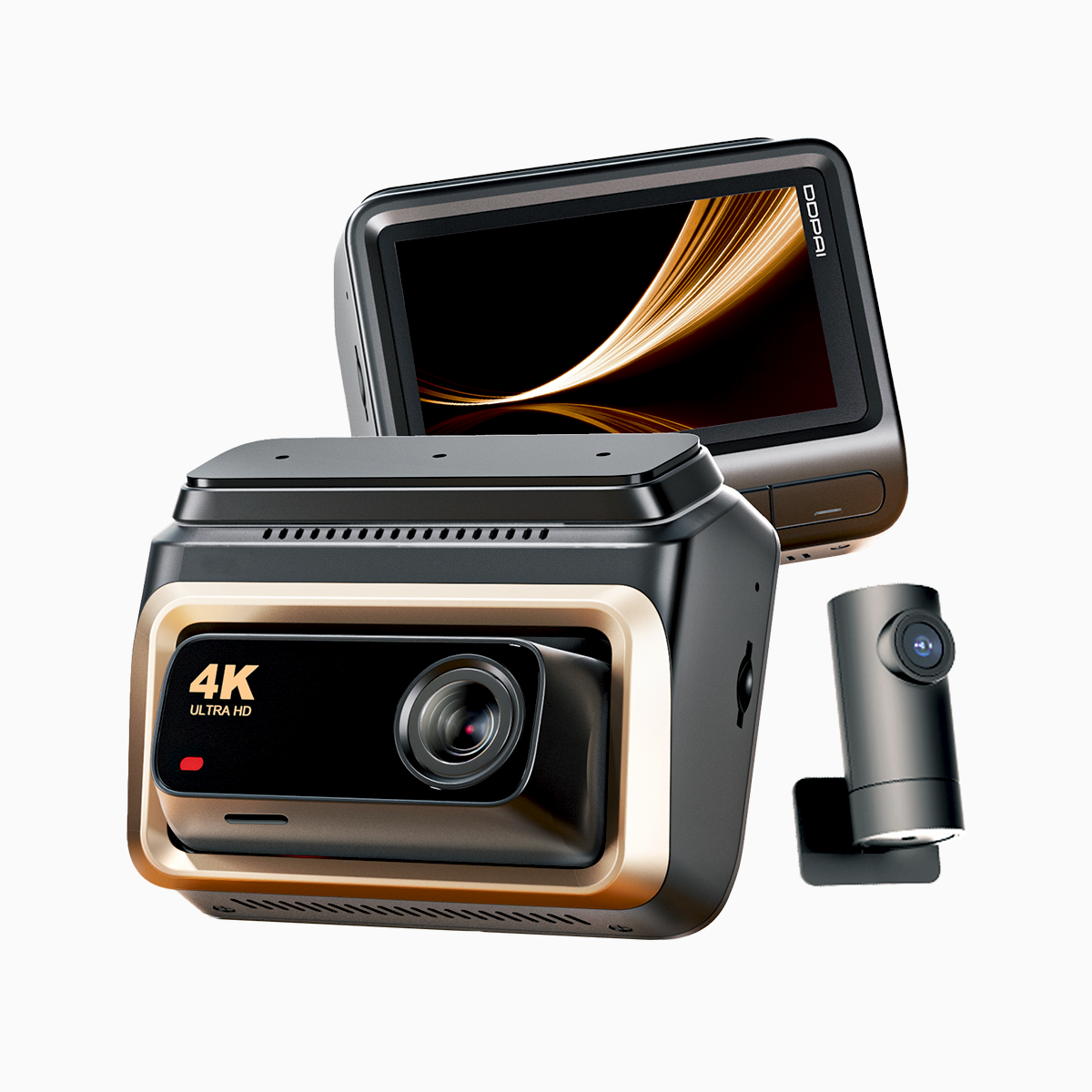
At a basic level, these systems combine camera-based computer vision with motion and position data. The cameras provide video; the processor runs LDW algorithms and proximity detection. Key technical elements include frame rate, HDR imaging for glare control, and a G-sensor that timestamps sudden decelerations. When sensor fusion is done well, lane markers and closing distances are computed continuously to generate timely warnings. Real-world regulators, including the National Highway Traffic Safety Administration, have identified lane-departure and rear-end incidents as areas where driver assistance can materially reduce risk—this is the anchor that directs practical calibration priorities.
Common calibration failures and their causes
Problems recur across fleets: misaligned cameras after windshield replacement; firmware mismatches; and mounting angles that skew lane geometry. Environmental factors also matter—dawn and dusk create false lane edges, and heavy rain blurs proximity estimates. These failures manifest as late alerts, phantom warnings when passing trucks, or missed events during highway merges. Addressing them requires both hardware checks and software parameter adjustments rather than guessing.
Practical tuning workflow for consistent LDW and proximity alerts
Follow a repeatable sequence to standardize performance across units.
– Inspect physical installation: verify camera angle, height, and secure mount; confirm firmware parity.
– Run baseline captures in urban, suburban, and highway conditions; include low-light segments to test HDR response.
– Adjust algorithm thresholds: tune lateral offset and warning latency for LDW; set time-to-collision and distance margins for proximity alerts.
– Validate using onboard metrics: review G-sensor logs and frame timestamps to ensure synchronization.
This workflow pairs objectively measured data with straightforward adjustments. Over time it reduces false positives and aligns driver expectations with system behavior—small changes yield measurable gains in alert relevance.
Alternatives and typical mistakes to avoid
Some teams attempt quick fixes—raising sensitivity universally or disabling thresholds to eliminate nuisance alerts. Both approaches sacrifice safety or utility. Better alternatives include segmented profiles by vehicle type (light van vs. tractor) and route-specific presets for urban corridors versus highway runs. Also consider devices that explicitly advertise robust image processing; a calibrated uhd dash cam typically offers superior lane detection under mixed lighting. Avoid ad-hoc mounting, inconsistent firmware, and skipping post-installation validation drives—these are the most common oversights.
Operational checklist and measurement metrics
Use three consistent metrics to evaluate system effectiveness: false alarm rate (alarms per 1000 miles), detection latency (milliseconds between event onset and alert), and missed-event count (validated incidents with no alert). Measure these over a two-week period across representative routes. Summarize results in a short report and iterate on threshold settings. This keeps tuning evidence-driven and defensible to stakeholders.
Advisory close: three golden rules for deployment
First, standardize installation procedures and firmware across the fleet. Second, adopt a measurement cadence—collect baseline video and sensor logs before tuning, and follow up with verification drives. Third, prioritize driver feedback; alerts must be trusted to be effective. These rules ensure the system performs reliably and supports driver behavior, not frustrates it. For a practical, brand-level solution that aligns with these principles, consider how a purpose-built commercial system integrates camera quality, algorithm maturity, and fleet tools—DDPAI PH. —