
Introduction — A Small Shop, a Big Problem
I remember standing in a crowded shop on a humid Tuesday, watching a welding hood push clouds of smoke into an overworked fan. The air felt heavy, and the workers kept stepping away to cough. Fume extraction technology sits at the center of that scene — it is the tool we rely on to keep people safe and productive. Recent studies show short-term spikes of fine particulates can top 150 µg/m³ in tight shops, and chronic exposure adds up fast. Does a typical workshop really understand what to look for when choosing a system? (I’ve seen confusion first-hand — and it costs time and health.) Let’s move from that shop floor into the real mechanics behind the problem and what actually matters next.
Where Traditional Fixes Break Down
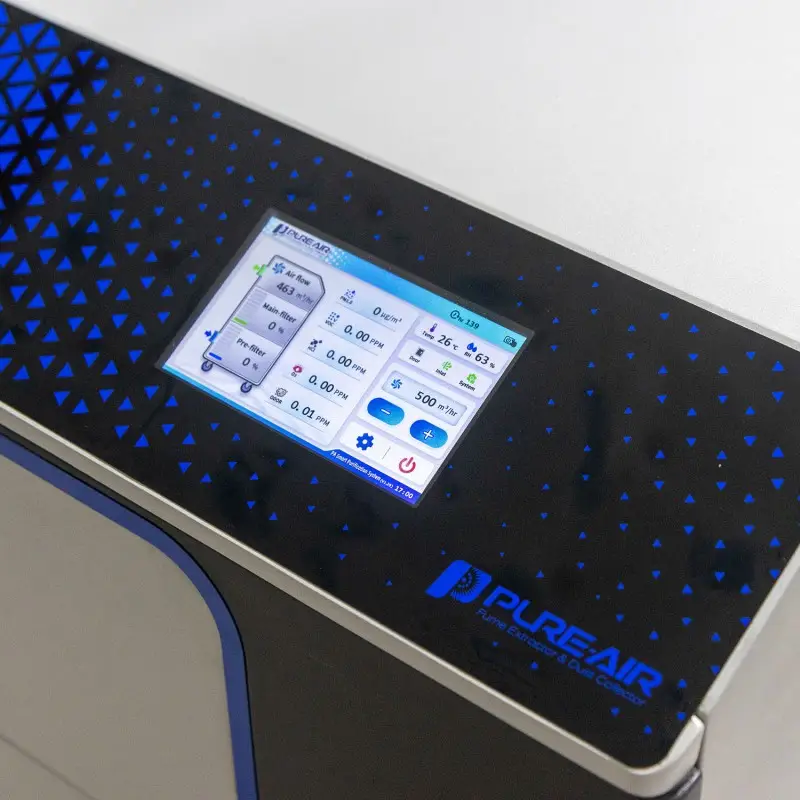
industrial dust and fume extraction system designs from a decade ago often lean on brute force: bigger fans, longer duct runs, and basic filters. On paper that sounds fine. In practice, however, those choices create uneven capture, high energy use, and maintenance headaches. Static pressure rises. Ductwork accumulates weld spatter and particulates. HEPA filter cartridges clog unevenly, and a cyclone separator that wasn’t sized correctly will let fines through. I’ve seen systems that solved one problem and made three more — and I don’t sugarcoat that.
Look, it’s simpler than you think: the root issues tend to be mismatched airflow profiles and poor hood placement. Professionals often ignore fan curve matching and filtration efficiency when they install a system. The result is poor capture at the source, noisy operation, and unpredictable service cycles. We talk about capture velocity, filtration efficiency (HEPA levels, MERV ratings), and fan curves because those are the levers you can actually control. When an installation ignores them, the so-called “solution” becomes a band-aid. Why does that happen? Mostly because decisions are made by budget or habit rather than measurement — and because maintenance plans are left vague. That gap is where workers pay the price.
Why does design precision matter?
Because air doesn’t behave like a spreadsheet. It follows pressure, leaks at every joint, and carries fines where you least want them. If you care about consistent capture and low running cost, you have to design for real airflow patterns, not just nominal CFM numbers.
Principles of New Technology — What I Look For
When we shift focus from old fixes to smarter systems, several principles stand out. Modern industrial dust and fume extraction system concepts mix targeted capture, smarter controls, and better filtration media. I always start with the hood: place it as close as possible to the source. Then add a matched fan and a control strategy that reacts to demand. Edge computing nodes and variable frequency drives let the fan follow actual need, rather than run full blast all day — that saves energy and extends filter life. Also, consider filtration stages: pre-separation (cyclone or baffle), a fine particulate stage (HEPA or high-MERV), and an adsorption stage where gases need removal. These layers work together to cut both PM2.5 and fumes effectively.
What I’ve learned in trials and installs is straightforward. Tune the fan curve to the system, not the other way around. Use pressure sensors at the hood and after filters to trigger maintenance. Select media for the contaminants you actually measure — not what the spec sheet says will be “good enough.” Sometimes a small, well-placed capture arm plus a compact, efficient unit outperforms a sprawling central system. — funny how that works, right? We also have to think about real-world service: access to filters, clear maintenance intervals, and simple replacement routines. If technicians can’t change a filter without tools and a ladder, you’ll skip it. That’s where real losses occur.
What’s Next for Operators?
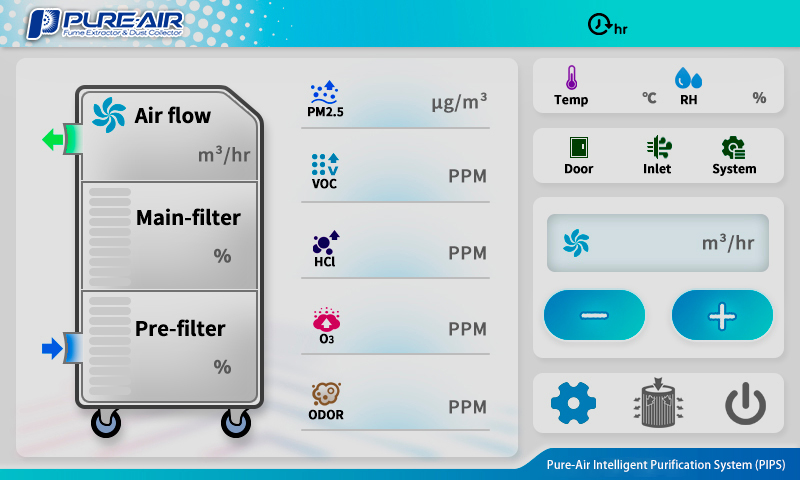
We should evaluate systems on three clear metrics before buying: capture effectiveness at the source, life-cycle energy cost (not just purchase price), and total maintenance time per month. I recommend measuring baseline particulate levels, mapping hood placement, and then testing a candidate system under real load. If you do those steps, you’ll avoid most of the mistakes I’ve seen. In short: measure, match, and maintain. For practical tools and experienced support, consider vendors who can show test data and who design around real workflows. For me, that kind of partnership matters — it changes outcomes and saves money long term.
To wrap up, here are three quick evaluation metrics I use when choosing a system: 1) Measured capture rate at work positions (not just spec CFM), 2) Energy per unit of contaminated air removed (kWh per cubic meter), and 3) Average maintenance hours per month — because downtime costs more than parts. If you keep those front and center, you’ll pick systems that protect people and the bottom line. For solutions and system examples I’ve worked with, see PURE-AIR.