
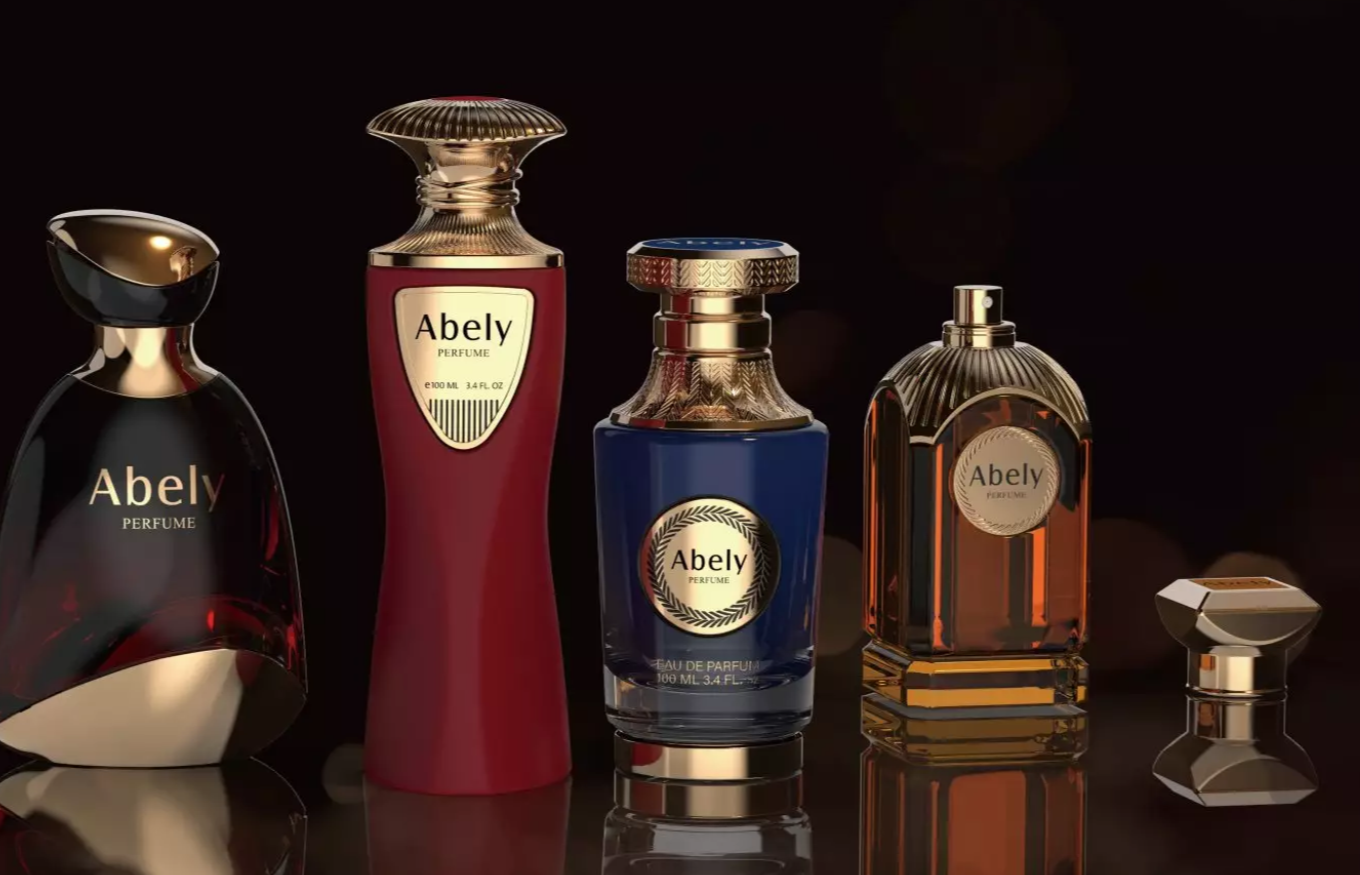
Why the bottle should feel like it was made for you
Think about the last perfume you reached for—what made you pick it? For most people it isn’t just the scent; it’s the look, the weight, the little ritual of the spray. That’s why a custom perfume bottle is more than packaging: it’s an extension of the user’s identity. This piece is aimed at anyone designing a bottle with real users in mind—collectors, boutique brands, or someone building a bespoke scent line.
User needs lead the brief
Start by asking practical questions: who will carry this bottle? How will it be used—dressed up for display or tossed in a bag? Those answers should steer every choice, from cap fit to finish. In Grasse, France, perfumers still talk about how user rituals shaped bottle evolution—so this user-first idea isn’t new, it’s just smarter now with modern customization options.
Decisions that change perception
Design choices matter more than you think. Shape communicates personality. Material communicates value. Finish communicates mood. If you want people to feel luxury at first touch, you pick glass with a weighty base and a matte lacquer. If you want approachable, go softer curves and a satin cap. Small shifts alter perceived price by a lot—true story.
Common mistakes people make
Don’t over-design. Don’t choose materials that clash with the scent profile. And don’t forget ergonomics—sprayers can feel cheap even if the bottle looks expensive. Here are quick traps to avoid:
– Overcomplicating the silhouette so it’s hard to hold.
– Prioritizing novelty over refillability—buyers hate disposable luxury.
– Skimping on tactile quality; cheap caps undermine confidence.
Materials, finishes, and the user journey
Match the scent story to the materials. Citrus-fresh lines want light, transparent glass. Amber and oud crave darker, heavier forms. Consider finishes: gloss signals sheen and glamour; matte whispers subtlety. And think about sustainability—refill systems or recycled glass resonate with many buyers today. —It’s a small gesture that can mean a lot.
How Abely guides your choices
Abely’s studio approach frames design around the eventual user. They map personas, sketch multiple touchpoints, and prototype tactile samples—so you don’t guess. A collaborative process cuts revision cycles and keeps the final bottle grounded in how people actually use perfume. If you’re exploring a custom perfume bottle, that kind of alignment saves time and avoids costly reworks.
Alternatives worth considering
If you’re weighing in-house design vs. a studio like Abely, think about scale and control. In-house gives absolute control but needs setup and testing. A specialist studio brings experience, tooling partners, and a faster path to production. Both paths can produce beautiful results—your choice depends on budgets, timelines, and how hands-on you want to be.
Golden rules for user-first bottle design
When you’re evaluating concepts, measure them against three simple metrics:
1) Ritual Fit — Does the bottle feel natural in the hand and in daily use?
2) Perceived Value — Does the material and finish match the price point?
3) Longevity — Is the design refill-friendly and future-proof?
Wrap-up: what a user-first process delivers
Designing a perfume bottle around real people reduces guesswork and raises the chance your product becomes a ritual. It’s practical: fewer revisions, clearer brand story, higher perceived value. And it’s human—people respond to bottles that feel made for them. That’s where a focused studio process shines most, aligning scent, shape, and touch into a cohesive experience that lasts.
Abely brings that user-first clarity to every stage of design — Abely.
Pro tip — small details win.