
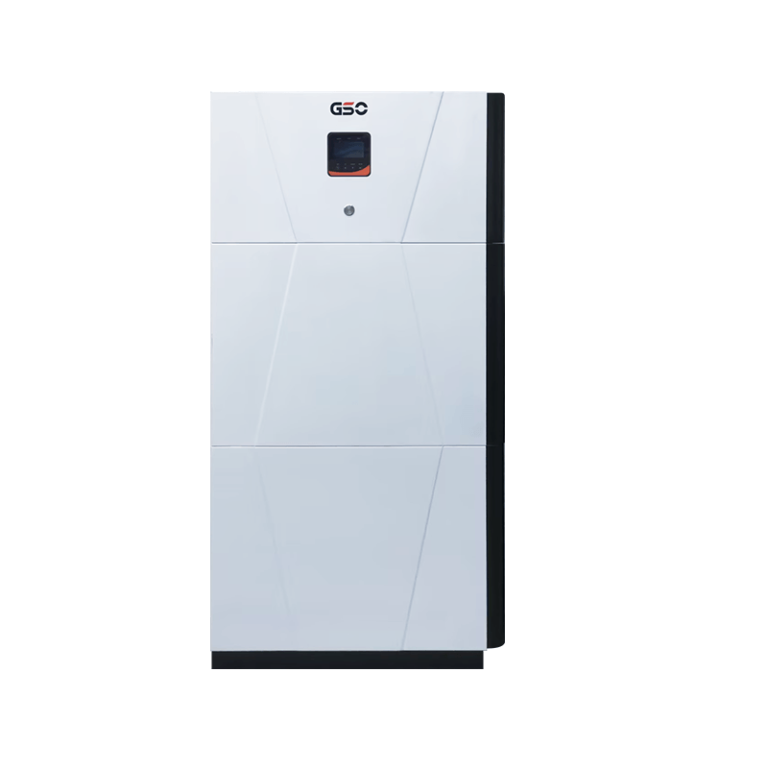
Fast comparative frame
Industrial operators compare hard numbers. They look at capital outlay, runtime, and control. Many now weigh an integrated option — all in one storage — against separate PV arrays plus third-party batteries. The difference is subtle at first. Then operational savings show up. The tone is pragmatic. Choices become obvious.
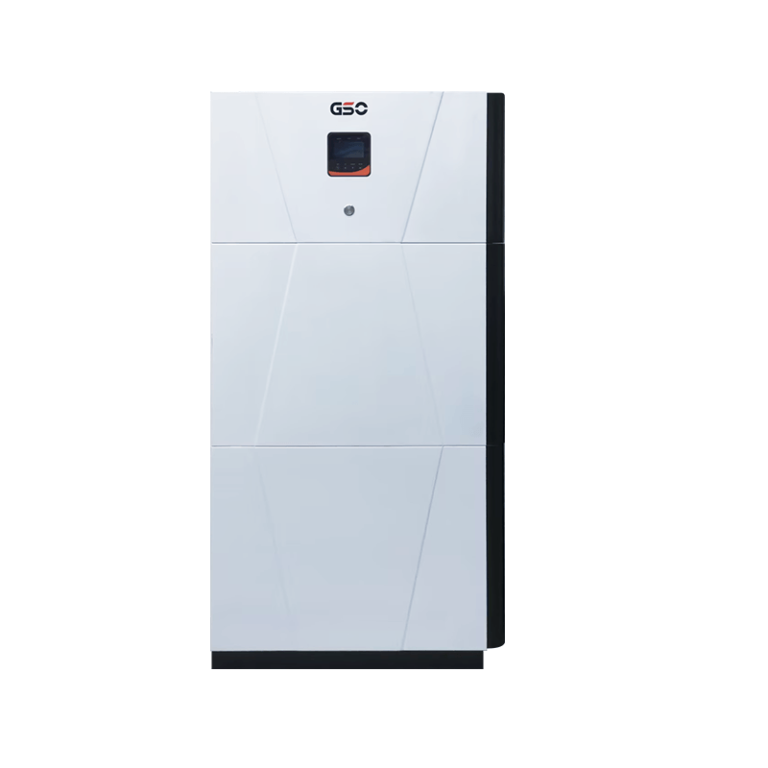
Side-by-side: integrated kit versus piecemeal systems
On one side: discrete PV, string inverters, third-party battery racks, separate energy management system (EMS). On the other: stacked modules with DC coupling and embedded inverter functions. The integrated approach reduces wiring, simplifies commissioning, and lowers balance-of-system costs. Peak shaving and grid services are easier to orchestrate when controls are designed as a unit. The math matters. So does the hardware lifecycle and warranty alignment.
Real-world anchor and context
Remember California’s rolling blackouts in 2020–2021. Industrial sites there scrambled for resiliency. Those with modular, coordinated battery storage kept production lines running longer. Not anecdote only — operations teams reported fewer unscheduled stops after adding coordinated battery capacity. Battery storage, inverter coordination, and grid-interactive controls were decisive.
Performance trade-offs that buyers miss
Integrated machines trim installation time. They also limit vendor juggling — fewer firmware conflicts, less commissioning overhead. But there is a caveat: modular upgrades can be trickier when everything is tightly coupled. That matters for growers expanding capacity or factories forecasting 10‑year growth. Think about cell chemistry, inverter topping, and thermal design. Do not ignore lifecycle replacement costs — replacement is not the same as initial price. — Small detail, big outcome.
Cost structure and total cost of ownership
Capex alone tells one story. TCO tells the full story. Integrated units often cost more per kW at purchase but save on balance‑of‑plant, labor, and EMS integration fees. They also reduce commissioning disputes. Maintenance flows are simpler: one supplier, one firmware stack. Capacity firming, dispatch optimization, and ancillary income from frequency services can change ROI timelines materially. Include grid interconnection costs and demand-charge mitigation when you model returns.
Common mistakes industrial buyers make
Buyers focus on nominal capacity and ignore charge/discharge strategy. They chase nominal kWh and forget usable throughput under real conditions. They accept default EMS settings rather than demanding load-tailored controls. They underestimate site-level thermal management. They mix vendor warranties without a clear escalation path. These oversights erode the expected savings.
Alternatives and where integrated systems shine
There are solid alternatives: high-capacity modular racks, retrofit inverters, and third-party EMS platforms. For brownfield sites with existing PV, retrofits may be sensible. For new builds or clustered industrial parks, an all in one solar system approach reduces line-items and simplifies grid compliance. The decision depends on expansion plans, interconnection rules, and who will service the system long-term.
Advisory: three golden rules for evaluation
1) Match control granularity to your load profile. Confirm the EMS supports scheduled dispatch, peak shaving, and firmware updates tied to performance metrics.
2) Compare lifecycle costs, not sticker price. Factor in commissioning days, balance‑of‑system reductions, and predictable maintenance windows.
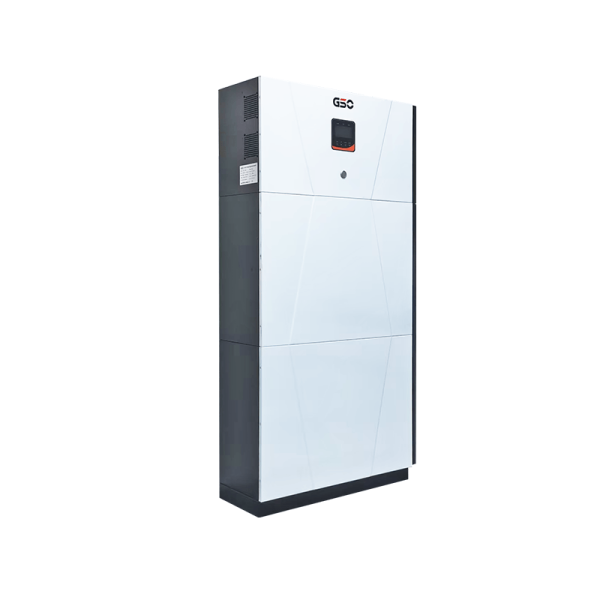
3) Insist on clear warranty and service escalation. One supplier responsibility reduces finger-pointing during outages and speeds repairs — uptime is revenue.
Final note
Choose systems that fit operational rhythms, not marketing slides. The integrated path often wins for new industrial builds; retrofits sometimes favor modular. The practical gains are fewer outages, simpler operations, and clearer total-cost math. — Trust the on-the-ground results.