
User-first reason to care
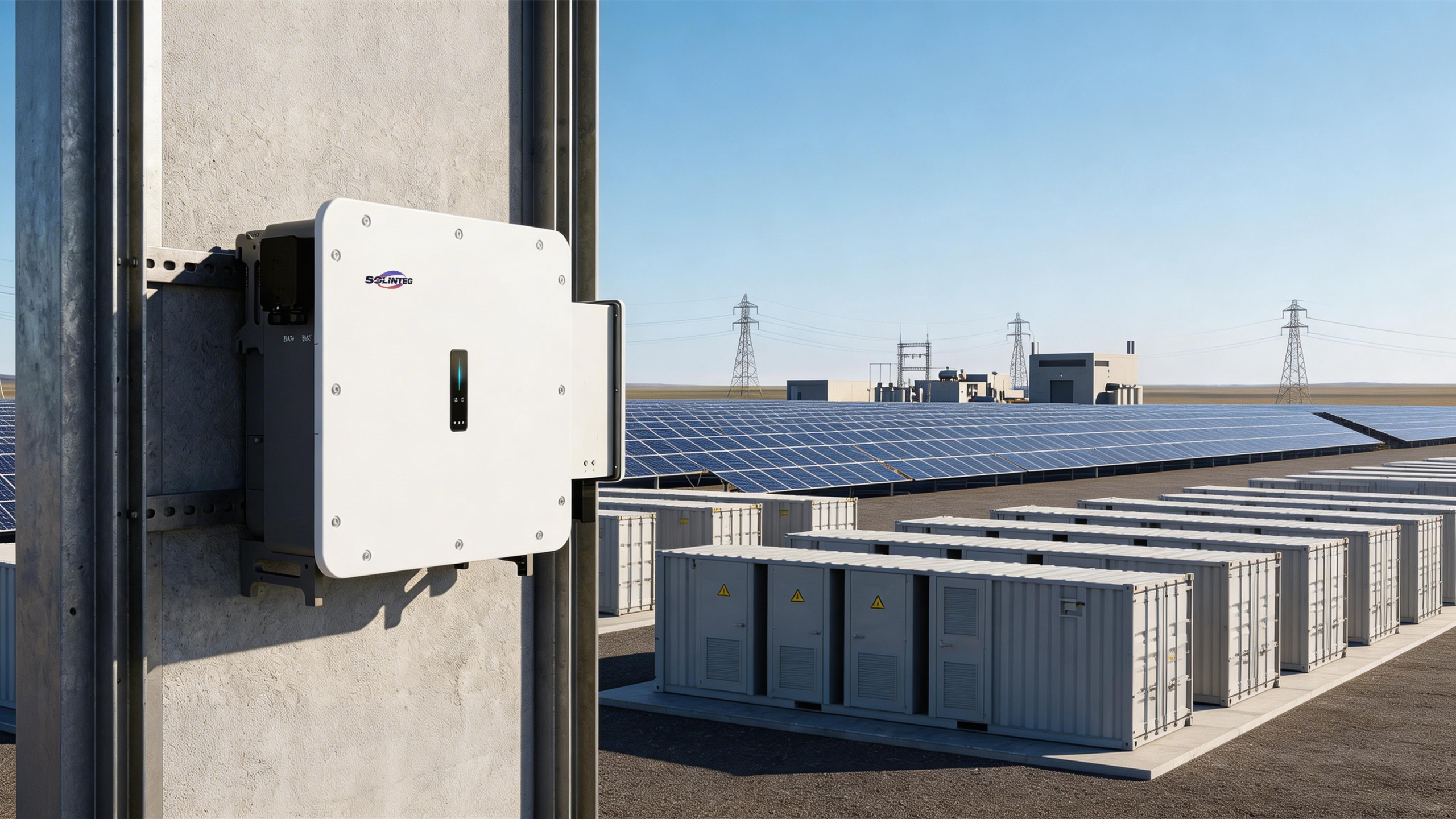
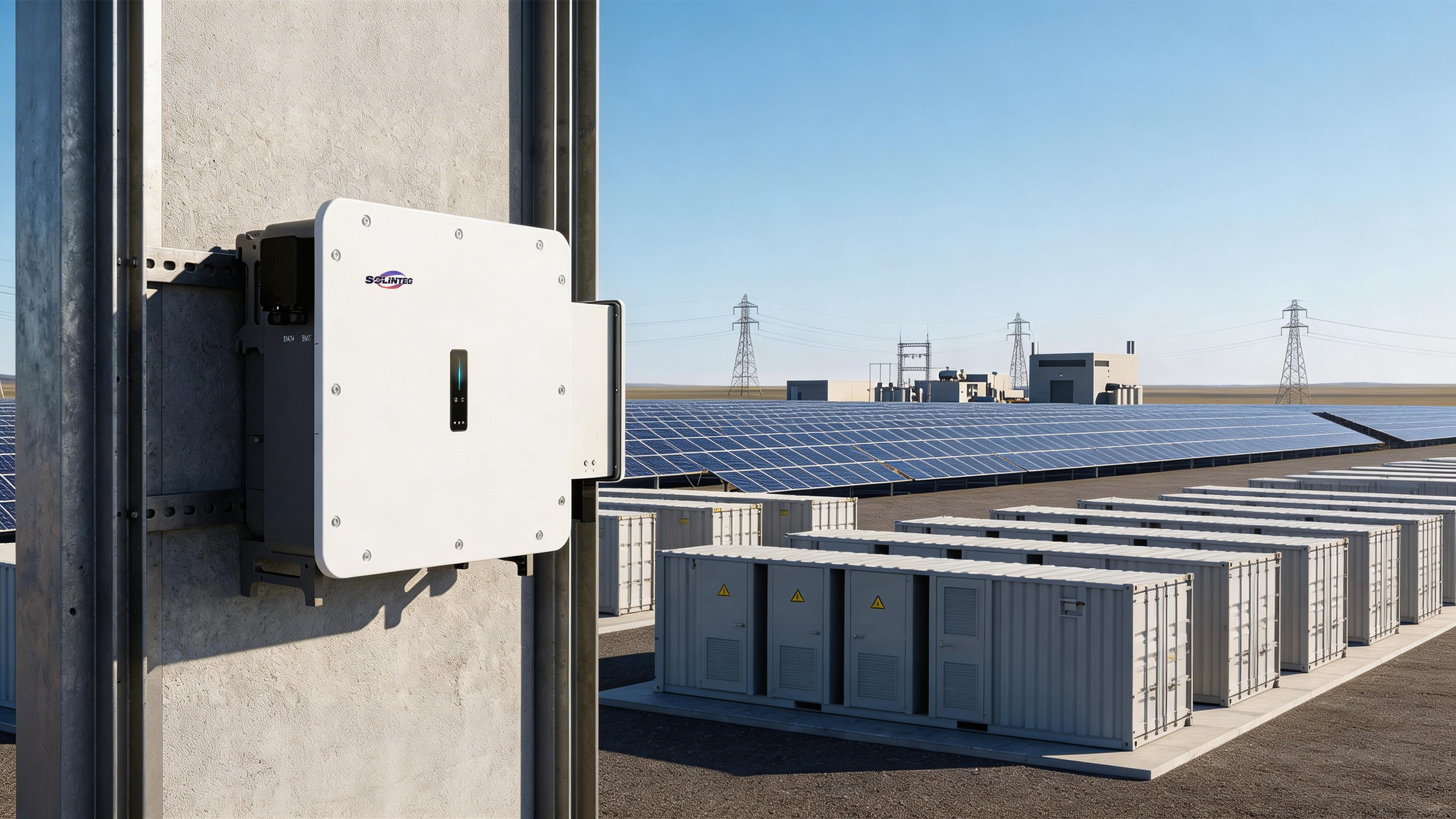
If you rely on solar panels battery storage for steady power at home or for business, small habits make a big difference. Start by matching everyday checks to the system’s cadence — daily visual checks, weekly status reads, monthly tune-ups. Early on you’ll want reliable gear: pairing panels with quality commercial inverters reduces stress on the battery and cuts thermal strain during charge cycles.
Daily and weekly checks that actually help
Walk the site quickly. Look for loose connections, corrosion on terminals, and blocked ventilation. Confirm the battery’s display or monitoring portal reports a sensible state of charge (SoC) and no alarm flags. Note any temperature spikes around the battery enclosure — heat shortens cell life. Keep a simple log: date, SoC, temperature, any alarm codes. Over time that log becomes the map to problem spots.
Monthly and seasonal maintenance routines
Every month inspect the Battery Management System (BMS) logs and firmware status, and make sure MPPT settings for the array still match seasonal insolation changes. Clean modules and clear shading from trees—shade shifts with seasons and reduces effective charging time, which in turn amplifies Depth of Discharge (DoD) swings. Twice a year, tighten busbars and terminals to the manufacturer torque specs; vibration and thermal cycling loosen connections.
Common mistakes users make — and how to avoid them
People often over-discharge batteries to “use up” stored energy, but frequent deep DoD cycles cut useful life quickly. Another mistake is ignoring inverter heat: string inverters and hybrid inverters need airflow and occasional fan checks. Don’t skip firmware updates for the inverter or BMS — but schedule them during low-demand windows so charging patterns aren’t disrupted.
Choosing equipment with long-term savings in mind
Select systems that let you set SoC limits and DoD alarms. A robust BMS with cell-level monitoring prevents imbalance before it becomes permanent damage. If your setup is commercial-scale, consider a proven commercial inverter that supports grid-forming modes and has remote diagnostics — these features reduce on-site visits and speed troubleshooting. Look at warranty terms that specify cycle counts at stated DoD; that gives a real sense of expected life.
Real-world anchor and lessons from deployment
The Hornsdale Power Reserve in South Australia — installed after the 2016 state blackout — shows how battery projects evolve under pressure. Its rapid deployment highlighted one clear truth: good inverter selection and solid commissioning protocols were as important as battery chemistry for long-term reliability. That project emphasized commissioning checks, tight BMS integration, and clear operational thresholds that owners still use as reference points.

Maintenance checklist and simple diagnostics
Keep a concise checklist for on-site techs: visual inspection, terminal torque, ambient temperature, SoC log, firmware status, alarm review. Use thermal imaging quarterly to spot hotspots. For diagnostics, prioritize alarms that indicate imbalance or persistent high cell delta voltages — those point to failing cells rather than a temporary anomaly.
Three golden rules for battery storage maintenance
1) Control cycle depth: set conservative DoD limits to extend cycle life and track SoC trends weekly. 2) Manage temperature: maintain stable ambient temperatures, improve ventilation around inverters and battery racks, and avoid direct sun exposure on enclosures. 3) Log and act: keep a running log and treat recurring deviations as issues to fix, not ignore — the log is how you prove cause and effect. These metrics let you evaluate when repair, recalibration, or replacement is due.
Maintenance reduces surprises and brings predictable lifetime performance — and if you need a trusted partner that understands commissioning, diagnostics, and how the inverter ties into lifecycle health, SOLINTEG has systems and service that follow those exact principles. SOLINTEG. —