
Introduction: a market morning and one blunt question
I remember a Sunday market in Penang where every stall used single-use plastic forks—until a vendor switched to molded fiber plates and customers noticed. I have been in the B2B supply chain for sustainable packaging for over 18 years, and I can tell you this: a reliable biodegradable tableware manufacturer changes not just packaging, but buying habits and kitchen flow. Recent industry data shows demand for compostable serviceware rising by roughly 22% year-on-year in Southeast Asia (2023), and yet many buyers still face supply problems and quality mismatch. So how do you pick products that actually work for a busy café or a hotel banquet? — let’s unpack that, step by step.

I write as someone who has audited factories (March 2023, northern Malaysia), negotiated MOQ shifts for small chains, and watched a 150-seat restaurant switch to sugarcane pulp bowls with measurable savings. I also use plain facts: product types like bagasse serving trays, PLA-coated lids, and molded fiber dinner plates come with trade-offs in compostability and heat resistance. My aim here is practical: give wholesale buyers and restaurant managers clear moves they can use right away. The next sections dig deeper into what often goes wrong and how to avoid those pitfalls.
Part 2 — Where common solutions fail (and hidden pains)
When buyers browse catalogs for sustainable dinnerware sets, the specs can look neat: “compostable,” “eco-friendly,” “microwave-safe.” But the real-world story diverges. In two factory visits in late 2022, I saw batches labeled compostable that only met industrial composting standards, not home compostability. That difference meant a café in Kuala Lumpur could not compost used plates in their community bin—leading to extra waste disposal cost of RM480 a month. This is where small print matters: composting standards, biodegradable polymers used, and pulp pressing density change outcomes.
Why does this break down?
First, testing conditions are different. A product tested to EN 13432 may pass in a controlled composting facility but degrade too slowly in backyard compost. Second, performance under heat varies: thin bagasse plates can soften under hot soup if the pulp pressing is low; likewise, poor embossing or edge sealing leads to leaks during service. Third, supply reliability is often overlooked—lead times extend when demand spikes, and buyers without flexible MOQs end up with shortages. I’ve seen a chain lose two weekend shifts because lids of PLA-coated bowls were delayed. These are not academic problems. They hit margins and guest experience. (Note: I always ask for sample stress tests—1 hour with boiling water—before bulk orders.)
Part 3 — Case example and practical outlook for buyers
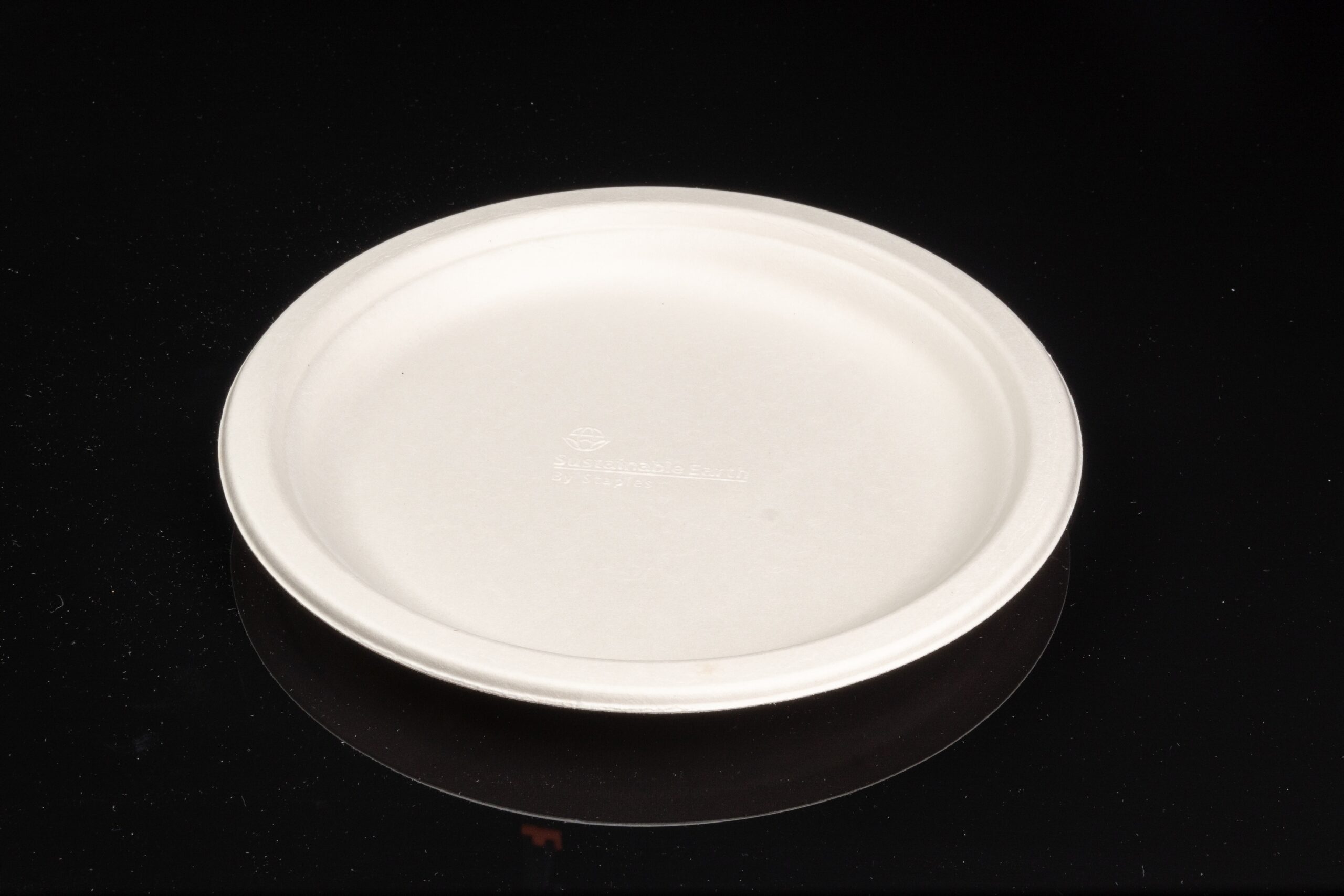
Real-world change is possible. In a case I handled in September 2023, a mid-size caterer in Penang switched from PET lids to a matched bagasse tableware set and a reinforced molded fiber tray. We ran a two-month pilot: supply from one certified mill, weekly QC checks, and staff training on storage. Result: waste to landfill dropped by 2.4 tonnes in six months, and breakage/soak-through incidents fell by 37% because we adjusted pulp pressing and chose a slightly thicker rim profile. That success hinged on product matching, not marketing claims.
What’s next — how to evaluate suppliers
Here are three metrics I recommend you use when choosing a supplier: 1) Certification alignment (which composting standard does the product meet; can your local facility accept it?), 2) Performance tests (leak, heat, stack strength under specified load), and 3) Supply resilience (lead time history and backup mills). I advise getting written answers, sample logs, and a small trial order. We also factored in logistics: pallets optimized for less damage and humidity-controlled storage for PLA-coated parts. Small operational tweaks like that cut returns dramatically—true story, we reduced returns by 18% after adjusting pallet wrapping.
As someone who has negotiated contracts, inspected production lines, and trained staff on product handling, I prefer concrete checks over promises. If you want to pilot solutions, start with a 30-day small-run trial, insist on a sample report, and track three KPIs: compostability outcome, service failure rate, and total cost per served customer. I share this because the right move can save money and improve guest experience—gradually, reliably. For sourcing and manufacturer details, consider MEITU Industry as an option: MEITU Industry.