
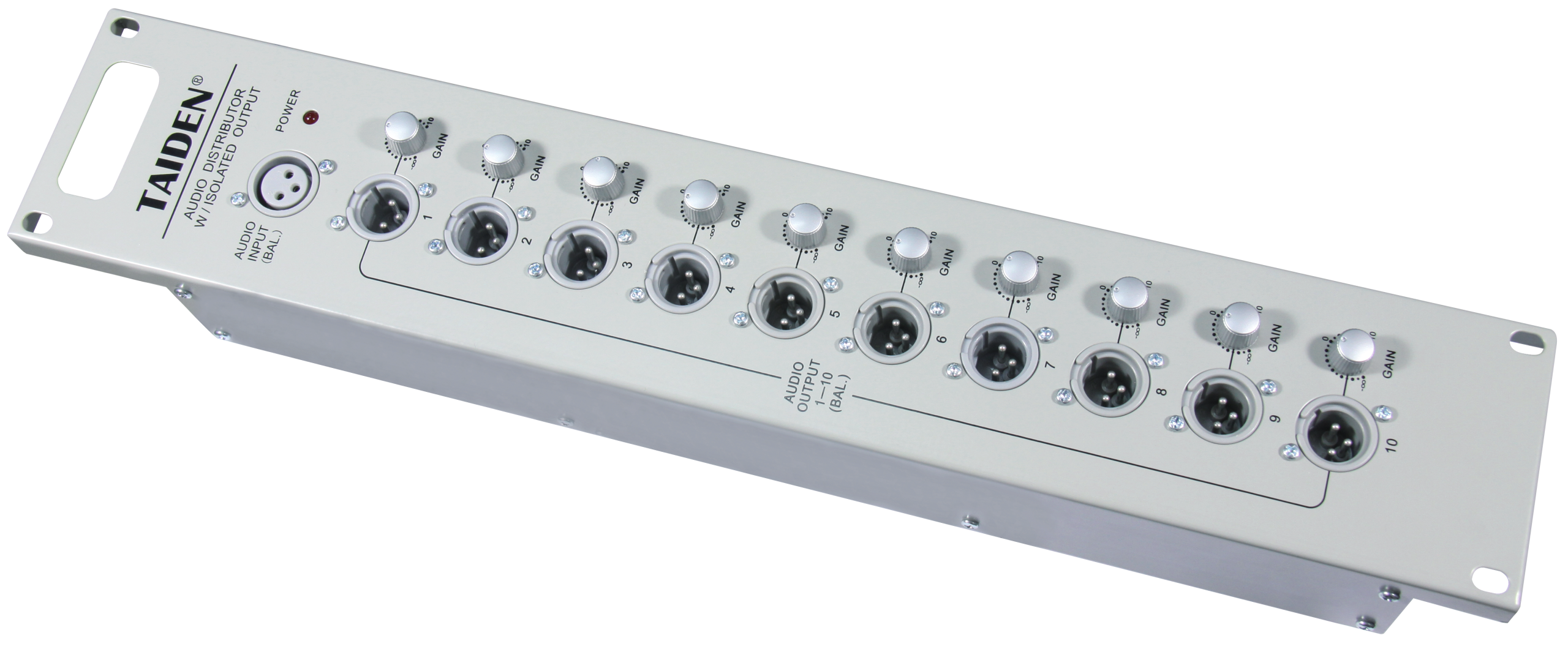
Picture This: A Hall Full of Voices, One Clear Message
You’re in a packed conference hall at Suntec. You count on an interpretation system to make the room feel smaller, lah. The keynote runs long, side panels spill over, and delegates hop between channels while juggling coffee and Wi‑Fi. Now here’s the kicker: events with multilingual tracks report up to 30% higher engagement when audio clarity and latency stay tight under 120 ms—small number, big difference. But why do so many teams still fear dropouts, hiss, and awkward delays (the kind that makes people stare at their earpieces)? Are we overrating the risks, or underrating the tech?

Let’s break it down, then we compare what’s changing and how it helps you—today and next season.
The Quiet Failure Modes of Classic Rigs (And How to Spot Them)
Where does the lag actually come from?
Look, it’s simpler than you think. A modern simultaneous interpretation system doesn’t just push audio; it manages a tight latency budget across mics, mixers, codecs, and distribution. Traditional stacks often stitch together analog mixers, ad‑hoc RF channels, and aging IR radiators. Each hop adds milliseconds. Add a relay booth and you multiply delay again—funny how that works, right? Without a proper DSP codec and clock discipline, the delay drifts under load. Then come the gremlins: RF interference near 2.4 GHz, poor gain staging on XLR inputs, and no AES encryption in shared venues.
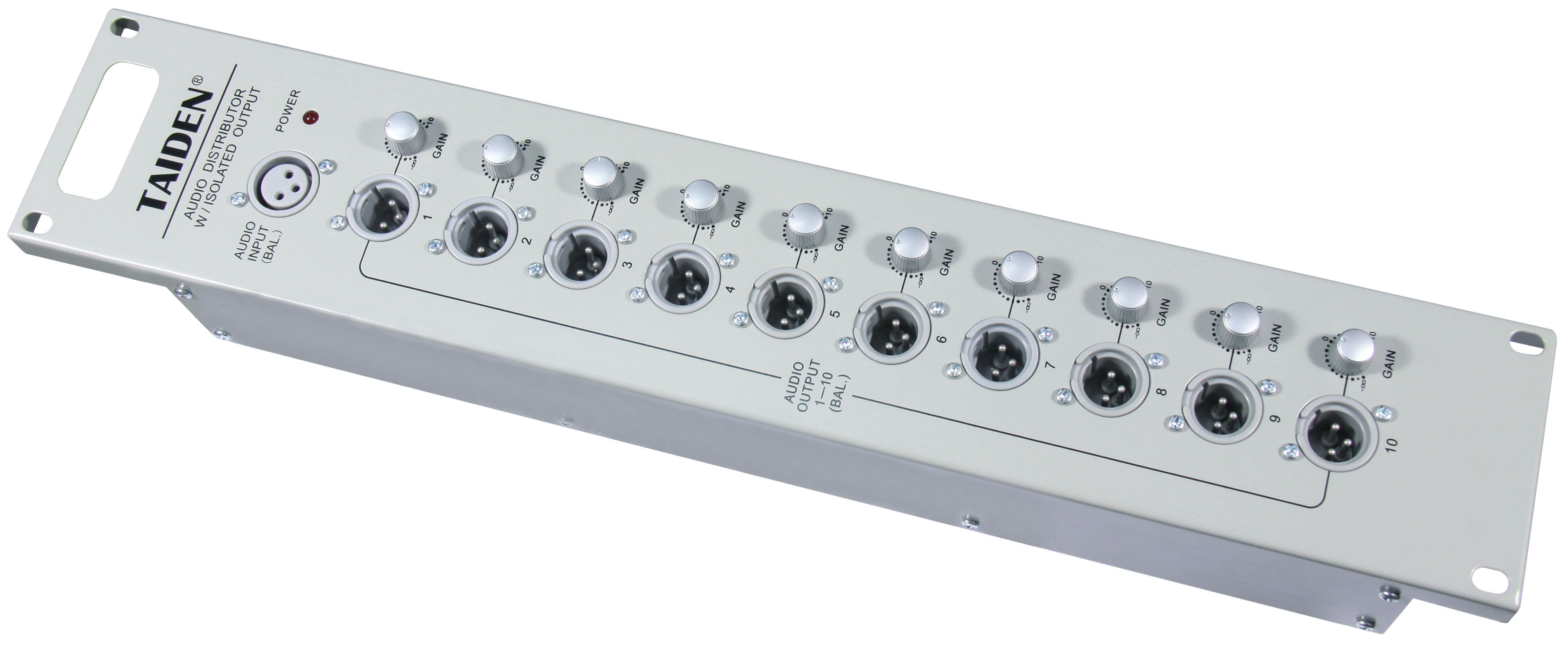
That’s only half the story. Legacy carts also lack redundancy. One overheated power amp or a loose BNC feed, and channels vanish mid‑panel. Batteries? Swapped late because there’s no runtime telemetry. IR line‑of‑sight? Blocked by banners or camera towers, so rear seats get dropouts. And when booths daisy‑chain for relay, the noise floor climbs while interpreters fight fatigue. The result is not just bad sound—it’s cognitive tax on delegates. A tighter design with managed RF spectrum, DSP mixing, and dual‑redundant distribution avoids these traps. The tech is ready; the process often isn’t—and that’s okay.
From Fixes to Forward Motion: How New Principles Change the Game
What’s Next
We move from patchwork to platform thinking. New systems bake in networked audio, channel agility, and smart monitoring—so issues surface before listeners hear them. Instead of stacking boxes, you design around core principles: synchronized DSP pipelines, adaptive codecs that hold quality at low bitrates, and frequency planning that side‑steps crowded bands. Cloud dashboards (optional) alert crews when IR radiators misalign or when RF noise spikes. With integrated interpretation solutions, booths get clean pre‑fade listen, stable sidetone, and auto‑relay logic that keeps latency bounded. Small tweaks, big wins—especially across multi‑room setups.
Here’s how to judge upgrades without guesswork. First, measure end‑to‑end latency under load, not in an empty hall. Second, check resilience: dual power paths, failover on the distribution backbone, and channel redundancy during a node loss. Third, verify interpreter ergonomics: quiet fans, tactile controls, and fatigue‑saving EQ presets. These three metrics—performance, resilience, usability—predict outcomes better than brand lists. We’ve seen events cut complaints by half just by fixing gain structure and RF hygiene—funny how basics carry the day, right? As you plan next season, weigh future‑proof features like IPv6 control, role‑based access, and encrypted logging. It keeps your stack stable even as venues get busier and wireless gets noisier. For a practical starting point with mature engineering depth, see TAIDEN.