
Introduction — A Shift-Work Story, Some Numbers, and One Big Question
I once stood on a late shift in a packaging room watching a line slow to a crawl because lids kept missing jars. By the second hour the crew had already restarted the conveyor three times, and I counted nearly a dozen rejects in a row. The lid applicator machine sat there like an honest troublemaker — meant to speed things up but often the bottleneck (we’ve all been there). Data from similar small plants show downtime spikes of 20–40% when lid placement isn’t tight; that hits yield and morale hard. So what exactly should you look for when deciding whether to upgrade or replace that old lid applicator machine — and how can you avoid swapping one headache for another?
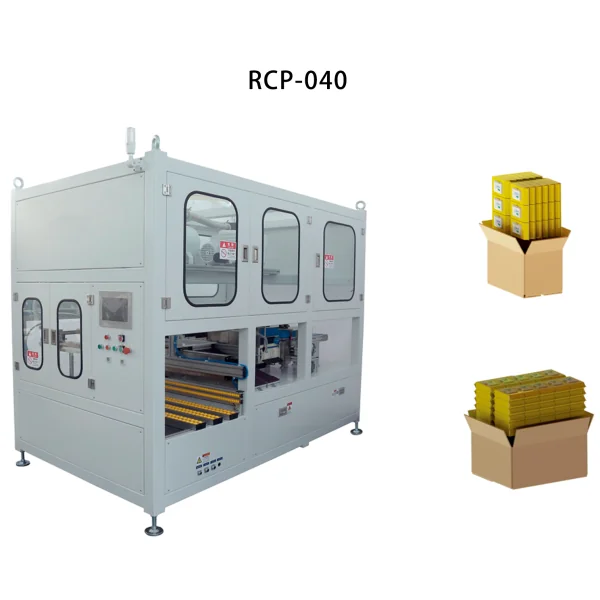
I want to walk you through what I’ve learned on the floor, share practical signs to watch for, and give one clear way to move forward without overbuying. We’ll keep it plain, use a few real terms, and I’ll tell you where I’d spend the money first. Now — let’s dig into the real problems behind the hum of the line and figure out what’s worth fixing next.
Why Traditional Approaches Fail (a Technical Look at Hidden Weak Points)
Why do old systems keep letting us down?
I’ll be direct: many teams think swapping a part or tweaking speed will solve lid errors, but the deeper issue is system mismatch. The automatic lid applicator may be marketed as “plug-and-play,” yet it often sits on a conveyor that wasn’t designed for precise indexing. Combine that with an underpowered servo motor or an older PLC that can’t handle tight timing, and you have a recipe for inconsistent lids. Vision system checks might not be integrated, so quality control is delayed until after the pack — too late. Look, it’s simpler than you think: mismatch in motion control, sensing, and feedback is the usual culprit.
From my experience, the weakest links are often pneumatic actuators that go soft after months of use and feedback loops that aren’t closed. That means one rejected lid can cascade into jams and manual rework. I’ve seen teams try quick fixes — new cams, faster belts — and still fail because there was no real-time diagnostic. You need consistent torque, reliable sensors, and simple fault logging so the next shift can act without guesswork. These are not glamorous upgrades, but they cut rejects and downtime fast — funny how that works, right?
Forward-Looking Choices: New Principles and Practical Steps
What should we focus on next?
Moving forward, I suggest thinking in principles, not products. Start with modularity: choose an automatic lid applicator that’s easy to retrofit. Add a basic vision system for immediate pass/fail checks. Then make sure the control layer (PLC or modern controller) talks to the line and logs faults. I prefer systems that separate motion control from packaging mechanics so you can update one without redoing the whole line. That approach saved a small co-packer I advised months of lost time — and I still remember the relief on the operator’s face when rejects fell from dozens to just a few per shift.
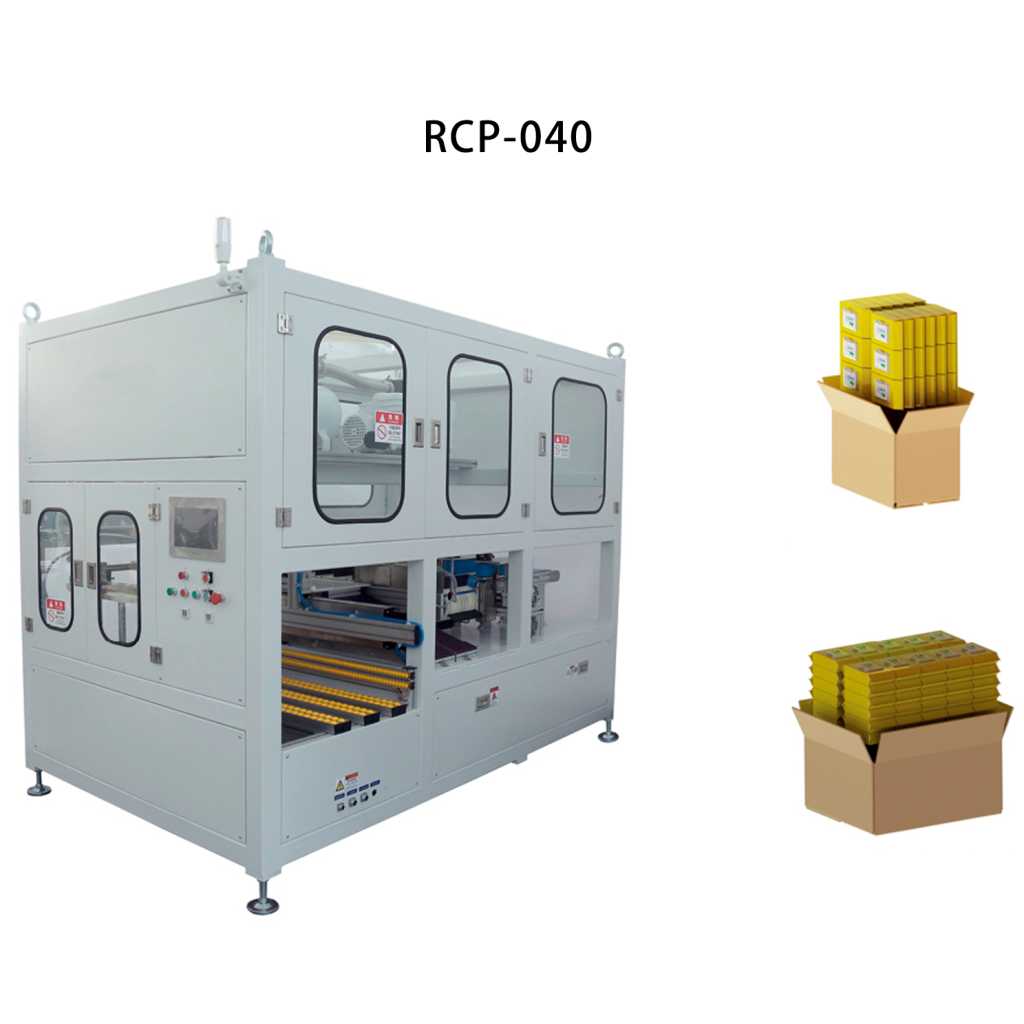
Also, plan for predictive fixes: simple current sensing and routine checks of actuator response can flag wear before it becomes a jam. You don’t need exotic software — start with clear alerts, short historical logs, and a few scheduled maintenance tasks. These steps keep the line honest and reduce surprises. And yes, there’s an upfront cost. But measured against scrap, overtime, and lost runs, those upgrades pay back fast. I recommend evaluating solutions against real criteria — not shiny specs — and I’ll give you three to use right after this.
Practical Close — How I’d Judge a Lid Applicator (Three Metrics You Can Use Today)
I’ll leave you with three metrics I use when consulting on lid applicators. First: repeatability under load — can the applicator place lids to tolerance for a full shift at rated speed? Second: ease of diagnostics — do faults show up clearly on the HMI or log so crews can act fast? Third: retrofit friendliness — will the unit play nice with your conveyor, vision system, and PLC? Use these as deal-breakers. If one fails, expect extra labor and surprise downtime.
In short: match motion control and sensing, prioritize simple diagnostics, and prefer modular gear you can upgrade later. We’ve all been burned by “too good to be true” claims — I’d rather pick a durable, slightly smarter option than chase bells and whistles. If you want a reliable partner option to start with, consider checking out suppliers like ZLINK. They won’t fix every problem by magic, but they do offer practical, serviceable solutions that keep lines moving — and at the end of the day, that’s what counts to me.